Curlew Conservation Efforts Bear Fruit as Pairs Return to Isle of Sheppey Nests
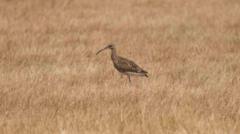
Conservationists are celebrating a significant milestone on the Isle of Sheppey, where previously released curlews have successfully paired up and returned to nest within a local nature reserve. This development marks a hopeful progression for the long-term recovery of the species in the region, suggesting that reintroduction programs are fostering self-sustaining populations.
The return of these distinctively long-billed wading birds to establish nests indicates a crucial step beyond mere survival. When birds initially reintroduced into an area begin to breed, it demonstrates the effectiveness of habitat restoration and protection efforts, laying the groundwork for a natural increase in their numbers.
The Eurasian curlew, Europe's largest wading bird, is instantly recognizable by its evocative, bubbling call and its long, down-curved bill. Once a common sight across various landscapes, curlew populations have faced significant declines in recent decades, primarily due to habitat loss, agricultural intensification, and predation pressure. They are currently listed as a species of high conservation concern.
The Isle of Sheppey, an island off the coast of Kent, England, offers a mosaic of crucial habitats, including saltmarshes, mudflats, and coastal grasslands, which are vital for wading birds like the curlew. Nature reserves on the island provide safe havens, managed to support diverse wildlife, making them ideal sites for reintroduction projects.
Such reintroduction initiatives typically involve a multi-faceted approach, encompassing the careful rearing and release of young birds, coupled with extensive habitat management to ensure suitable feeding and nesting grounds. The success observed now underscores the dedication and scientific planning invested in these long-term projects aimed at reversing population trends.
The establishment of breeding pairs represents a beacon of hope for curlew conservation, not just on the Isle of Sheppey but across wider efforts to safeguard the species. Each successful nest contributes to the genetic diversity and resilience of the local population, slowly rebuilding numbers one clutch at a time.
Looking ahead, continued monitoring of these breeding pairs and their offspring will be critical. Further efforts will likely focus on expanding suitable breeding territories, mitigating threats, and ensuring the long-term viability of this budding population. The commitment to these iconic birds underscores a broader ecological responsibility to preserve biodiversity.
This positive outcome on the Isle of Sheppey serves as a powerful reminder that dedicated conservation interventions, when sustained over time, can yield tangible and encouraging results for vulnerable species, offering a pathway towards their enduring presence in our natural landscapes.


Comments (0)
Be the first to comment.
Join the discussion