House’s September Schedule Cut Leaves Crypto CLARITY Act with Slim Window Before Midterms
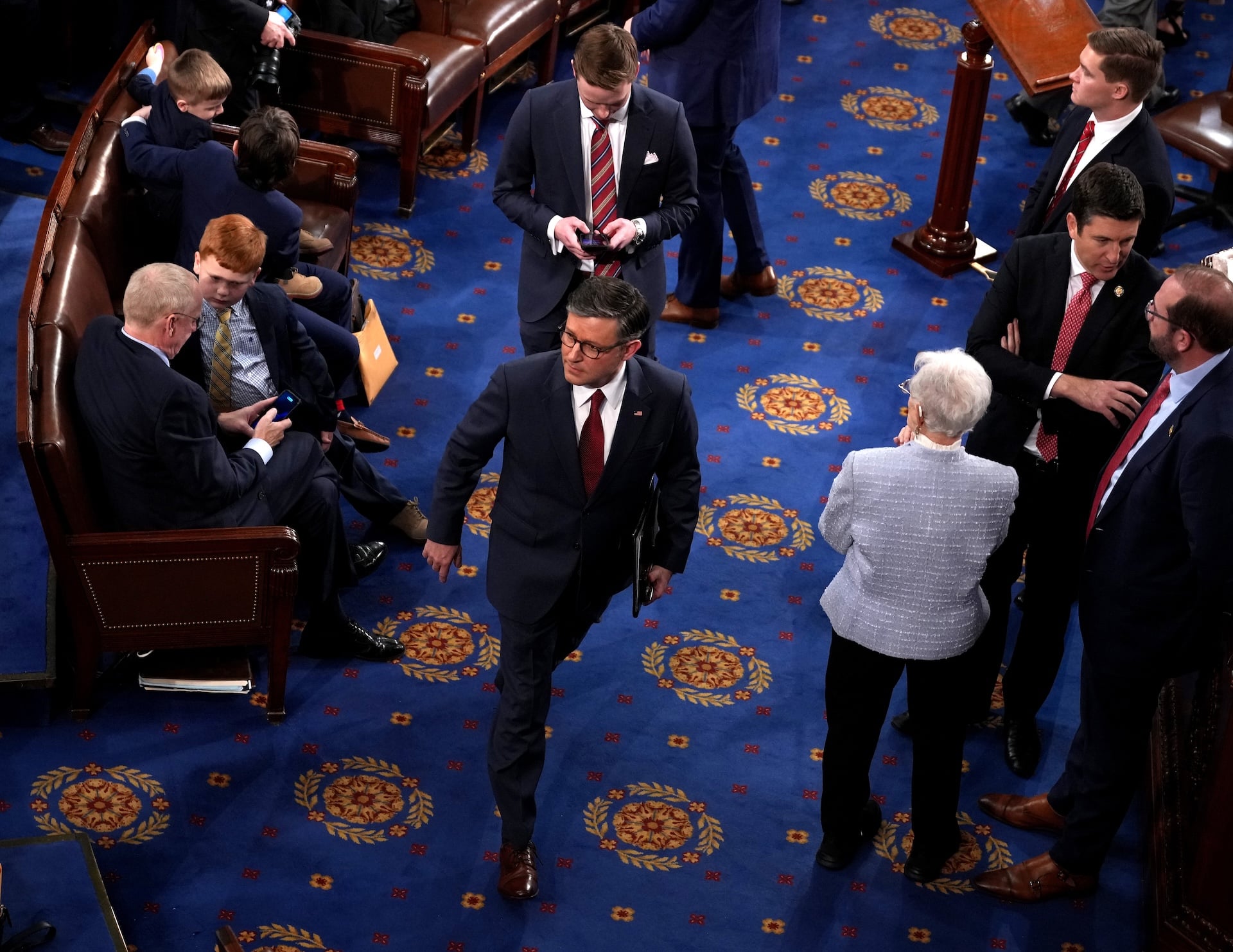
The U.S. House of Representatives has slashed its September calendar to just four days of floor votes, a move that dramatically narrows the already tight timeline for the crypto industry’s most pressing legislative effort, the CLARITY Act, to move through Congress before the upcoming midterm elections.
The CLARITY Act, introduced last year, seeks to establish a clearer regulatory framework for digital assets, addressing lingering uncertainty that has hampered investment and innovation in the sector. By defining the jurisdiction of existing financial agencies and setting standards for compliance, the bill aims to replace a patchwork of state‑level rules and ad‑hoc enforcement actions with a unified national approach.
The decision to compress September’s agenda was announced by House leadership as a response to a crowded legislative docket and the need to focus on budgetary and election‑related matters. With only four voting days available, lawmakers must prioritize a limited set of bills, and the CLARITY Act, which has yet to clear the House Judiciary Committee, now faces a race against a calendar that offers little flexibility.
Timing is critical because the House typically concludes most of its legislative business before the November elections, after which a new Congress convenes and may revisit unfinished proposals. If the CLARITY Act does not secure a floor vote this month, it could be delayed indefinitely, leaving the industry to operate under the current ambiguous regulatory environment throughout the election cycle.
Industry advocates have expressed disappointment, noting that the reduced schedule undermines months of lobbying and stakeholder engagement. Trade groups have warned that prolonged uncertainty could deter capital inflows and slow the development of blockchain‑based services, especially as other jurisdictions move forward with clearer rules.
Looking ahead, supporters of the bill may seek to shift the discussion to the Senate, where a separate but related crypto‑focused proposal is under consideration, or to reintroduce the measure in the next congressional session. For now, the CLARITY Act’s fate hinges on whether any of the four remaining voting days can accommodate a floor debate and vote before the political calendar closes for the year.



Comments (0)
Be the first to comment.
Join the discussion