New Environmental DNA Map Unveils Comprehensive Coral Distribution in Ryukyu Islands
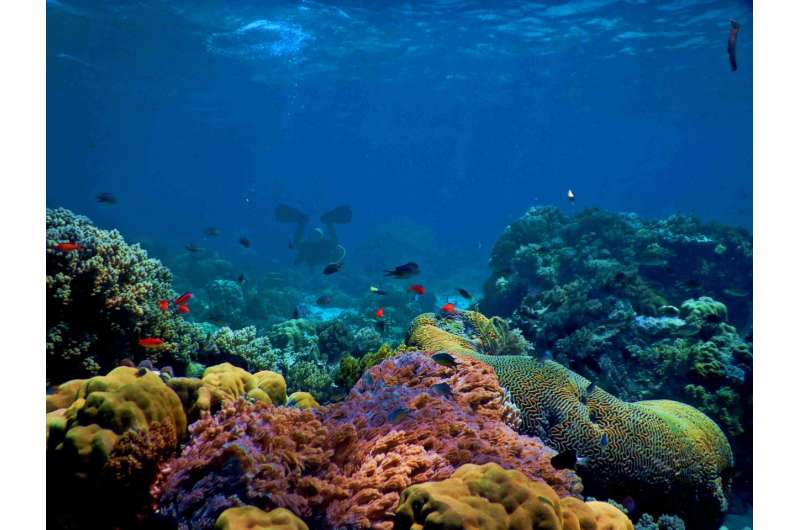
A pioneering online platform now offers an exhaustive overview of hard coral populations across Japan's Ryukyu Islands, leveraging cutting-edge environmental DNA (eDNA) techniques. This new resource is poised to significantly advance marine conservation and our grasp of environmental shifts impacting these vital marine ecosystems.
Traditionally, mapping species distribution across vast underwater territories presents considerable logistical challenges. The innovative approach utilizes eDNA, which involves collecting genetic material naturally shed by organisms into their surroundings—such as skin cells or waste products. Analyzing this DNA allows researchers to identify species present in a given area without directly observing them, providing a non-invasive and comprehensive survey method.
The Ryukyu Islands are renowned for their rich marine biodiversity, including extensive coral reefs that serve as critical habitats for countless species and provide essential ecosystem services. Understanding the precise distribution and health of these corals is paramount given their vulnerability to climate change, ocean acidification, and local anthropogenic pressures.
Prior to this development, a comprehensive, centralized dataset detailing hard coral distribution across this specific archipelago was largely absent. This new digital tool fills that crucial void, establishing a foundational baseline that illuminates the current state of coral communities throughout the region.
This detailed mapping data will be instrumental for conservation initiatives. By pinpointing where specific coral species thrive, or where they may be struggling, conservationists can develop more targeted and effective strategies. It enables better monitoring of coral health over time and helps assess the efficacy of protection measures against ongoing environmental threats.
The success of this eDNA-driven mapping in the Ryukyu Islands underscores the immense potential for applying similar methodologies to other marine environments globally. Such approaches could revolutionize how we survey biodiversity, especially for cryptic or difficult-to-access species, providing a cost-effective and efficient means to gather critical ecological data.
Ultimately, effective conservation hinges on a thorough understanding of the ecosystems we aim to protect. This new online resource provides an invaluable window into the complex world of Ryukyu Island corals, equipping scientists and policymakers with essential information needed to safeguard these precious natural assets for future generations amidst a changing climate.


Comments (0)
Be the first to comment.
Join the discussion