Half of Gulf’s Dugongs Vanish, Prompting Calls for Immediate Conservation Action
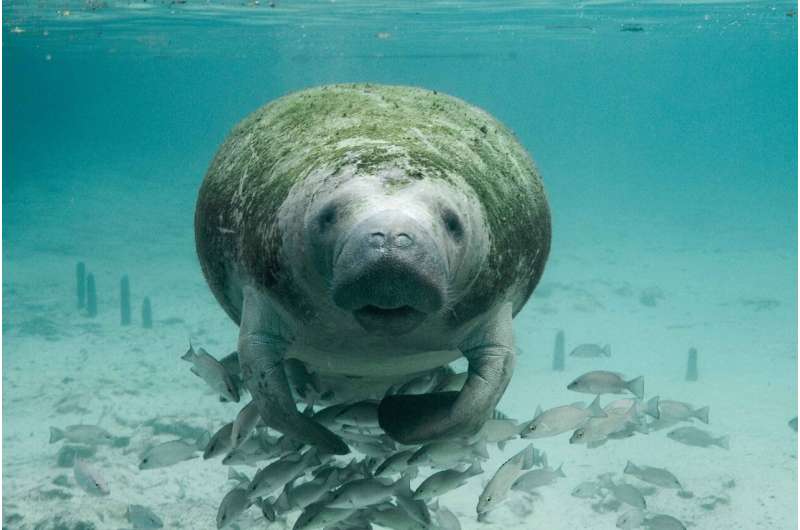
New survey results indicate that the dugong population in Australia’s Gulf of Carpentaria has dropped by roughly half, a decline that researchers say should trigger swift policy measures to safeguard the iconic marine mammal.
The assessment, conducted jointly by scientists from James Cook University and Charles Darwin University alongside Indigenous Ranger groups, compared recent field observations with earlier estimates and found the numbers of these gentle herbivores have slumped dramatically. The researchers stress that the decline is not a short‑term fluctuation but a sustained trend that threatens the species' long‑term viability in the region.
Dugongs rely on extensive seagrass meadows for feeding, and the Gulf of Carpentaria hosts some of the most extensive and productive beds in the world. Over the past decade, increased coastal development, unregulated fishing activities, and rising water temperatures have placed pressure on these habitats. The new findings suggest that habitat loss, combined with incidental bycatch and boat strikes, may be driving the sharp population drop.
Indigenous ranger teams, who have long monitored the health of the Gulf’s ecosystems, highlighted that the decline aligns with observations of diminishing seagrass cover and more frequent extreme weather events. Their involvement in the surveys underscores the growing role of traditional custodians in scientific research and conservation planning.
Government officials have been urged to translate the data into concrete actions, such as expanding marine protected areas, tightening regulations on commercial fishing gear, and funding habitat restoration projects. Conservation groups argue that without immediate intervention, the Gulf could lose a keystone species whose grazing helps maintain seagrass diversity and carbon sequestration capacity.
Looking ahead, the research team plans to conduct follow‑up monitoring to track whether proposed measures can halt or reverse the decline. The stark 50 % reduction serves as a warning that broader environmental pressures in northern Australia are converging on vulnerable species, and that coordinated, science‑informed responses are now more critical than ever.


Comments (0)
Be the first to comment.
Join the discussion