VisionQuest Reimagines Marvel’s Vision and Ultron as Adam and God in AI‑Driven Art Series
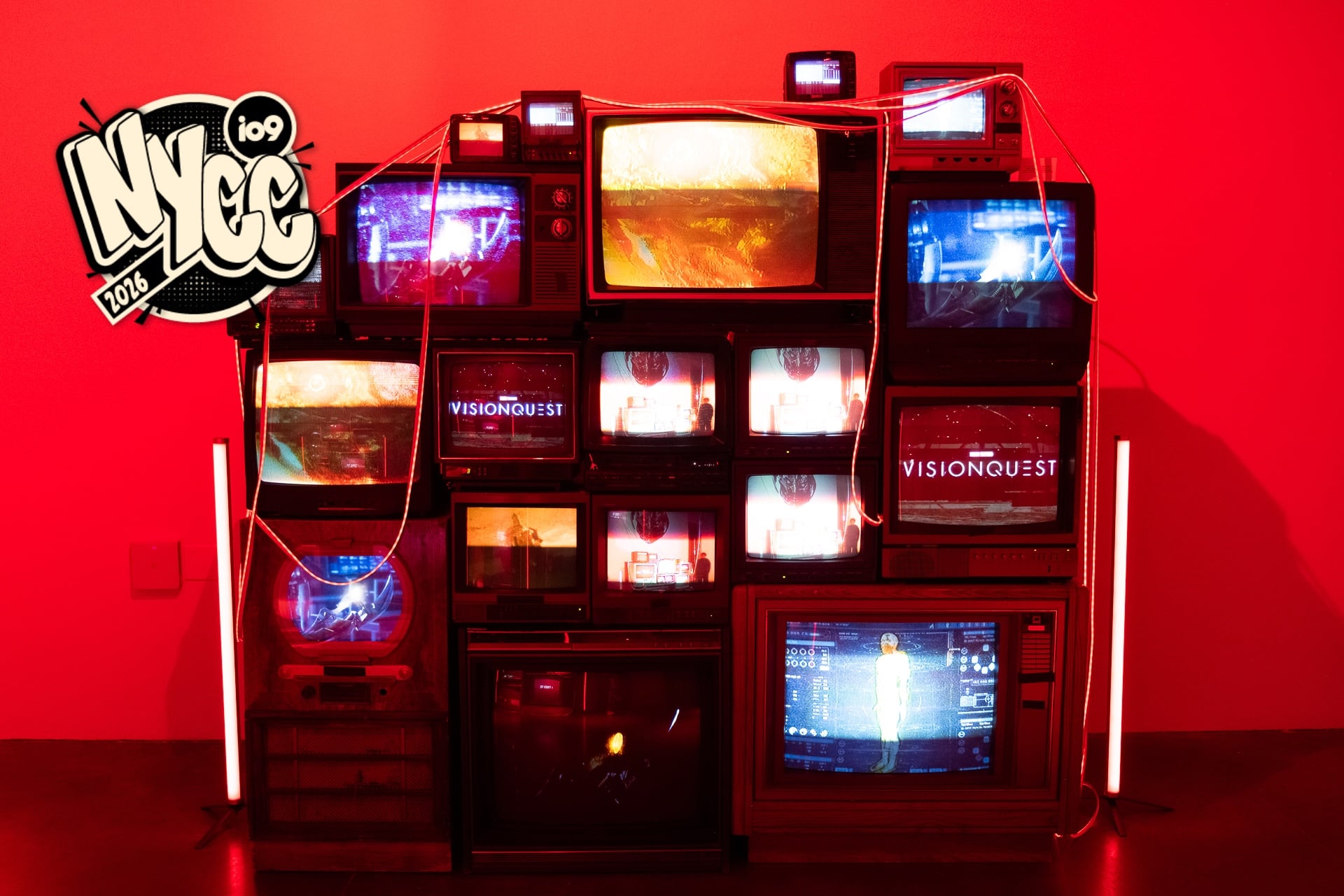
A new digital art series titled VisionQuest has captured attention by recasting Marvel’s synthetic hero Vision and his creator‑turned‑adversary Ultron as the biblical figures Adam and God, echoing Michelangelo’s iconic "The Creation of Adam" fresco. The collection, which manipulates the characters through a suite of AI tools, offers a fresh visual meditation on the nature of sight, control and creation in the age of artificial intelligence.
Each piece in VisionQuest presents Vision in a pose reminiscent of Adam’s outstretched hand, while Ultron assumes a god‑like stance, fingers reaching toward the synthetic being. The artists employed generative models to selectively control, alter, and even delete elements of the original comic imagery, producing a surreal tableau that blurs the line between superhero mythos and classical art. The juxtaposition underscores the paradox of a machine designed to see and be seen, now rendered through the very algorithms that define its existence.
The series emerged from a collaborative effort among digital creators who have been experimenting with AI‑assisted image generation for several years. By feeding the models with both comic book panels and high‑resolution scans of Michelangelo’s work, they coaxed the algorithms into synthesizing a hybrid visual language. The resulting images were first highlighted in a feature by Gizmodo, which praised the collection for its inventive reinterpretation of well‑known characters and its commentary on the evolving role of AI in artistic production.
VisionQuest arrives at a moment when the art world is grappling with questions about authorship, originality and the ethical use of machine learning. The deliberate manipulation of iconic figures serves as a case study in how AI can both preserve and transform cultural symbols. It also invites reflection on the mythic narrative of creation: just as God bestows life upon Adam, modern engineers imbue code with perception, raising philosophical inquiries about who—or what—holds the power to grant vision.
Beyond its aesthetic impact, the collection signals a broader trend of leveraging familiar pop‑culture icons to explore complex ideas about technology. Similar projects have repurposed classic paintings with AI to comment on surveillance, bias, and the commodification of data. VisionQuest’s focus on Vision and Ultron, characters already defined by their relationship to sight and cognition, adds a layer of meta‑commentary that resonates with both comic fans and art critics.
The creators have hinted that the series may soon be exhibited in digital galleries and could be released as non‑fungible tokens, though details remain tentative. If the works enter the NFT market, they would join a growing roster of AI‑generated pieces that challenge traditional valuation models and spark debate over the permanence of digital ownership.
By merging a Renaissance masterpiece with contemporary superhero lore through algorithmic means, VisionQuest encourages viewers to reconsider how technology reshapes perception. Whether displayed on a screen or a museum wall, the collection stands as a visual inquiry into the power dynamics of creation, control, and the ever‑expanding definition of what it means to truly see.


Comments (0)
Be the first to comment.
Join the discussion