Congress Calls Nvidia CEO to Testify Over Alleged Chinese Spy Targeting
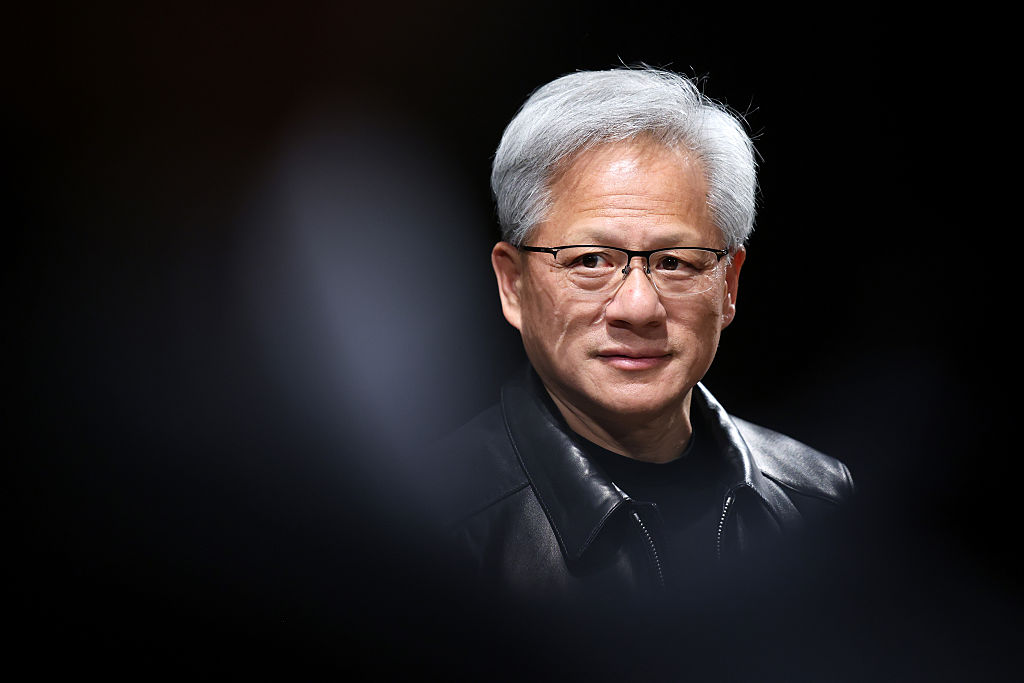
Top Republican members of the House have formally requested that Nvidia chief executive Jensen Huang appear before congressional committees to answer questions about a reported Chinese espionage effort aimed at him.
The request was issued by the chairs of the House committees that oversee China policy and national security, signaling a bipartisan interest in understanding how a high‑profile technology leader could become a focus of foreign intelligence activity.
Nvidia, the maker of graphics processing units that power much of the world’s artificial‑intelligence surge, sits at the center of a strategic competition between the United States and China. Its chips are essential for data‑center workloads, autonomous‑vehicle development and other emerging technologies that the U.S. government has identified as critical to national security.
According to unnamed U.S. intelligence officials, a Chinese operation specifically targeted Huang for surveillance and influence, exploiting his position to gain insight into Nvidia’s research, development roadmaps and potential supply‑chain vulnerabilities. While the exact methods of the alleged operation were not disclosed, intelligence agencies have warned that senior executives in the tech sector are increasingly attractive targets for foreign actors seeking strategic advantage.
The congressional inquiry follows a broader push by lawmakers to scrutinize foreign interference in America’s tech industry. Lawmakers have previously held hearings on supply‑chain risks, export controls and the export of advanced semiconductor technology to China. Huang’s testimony could shed light on whether Nvidia’s internal security measures were sufficient and what steps the company may need to take to mitigate future threats.
Nvidia has declined to comment on the intelligence assessment pending a formal request for information, but the company has previously emphasized its commitment to security and compliance with U.S. export regulations. The upcoming hearing, if scheduled, is expected to focus on the nature of the alleged targeting, any potential breaches, and the broader implications for U.S. tech firms operating in a geopolitically charged environment.
Analysts note that the outcome of the hearing could influence future policy actions, ranging from tighter export restrictions to new guidelines for corporate cybersecurity practices. As the United States and China continue to grapple over technology dominance, the spotlight on Nvidia’s leadership underscores the growing intersection of corporate innovation and national security concerns.



Comments (0)
Be the first to comment.
Join the discussion