Japanese Study Finds Berry Compound May Prompt Muscle Cells to Burn Fat
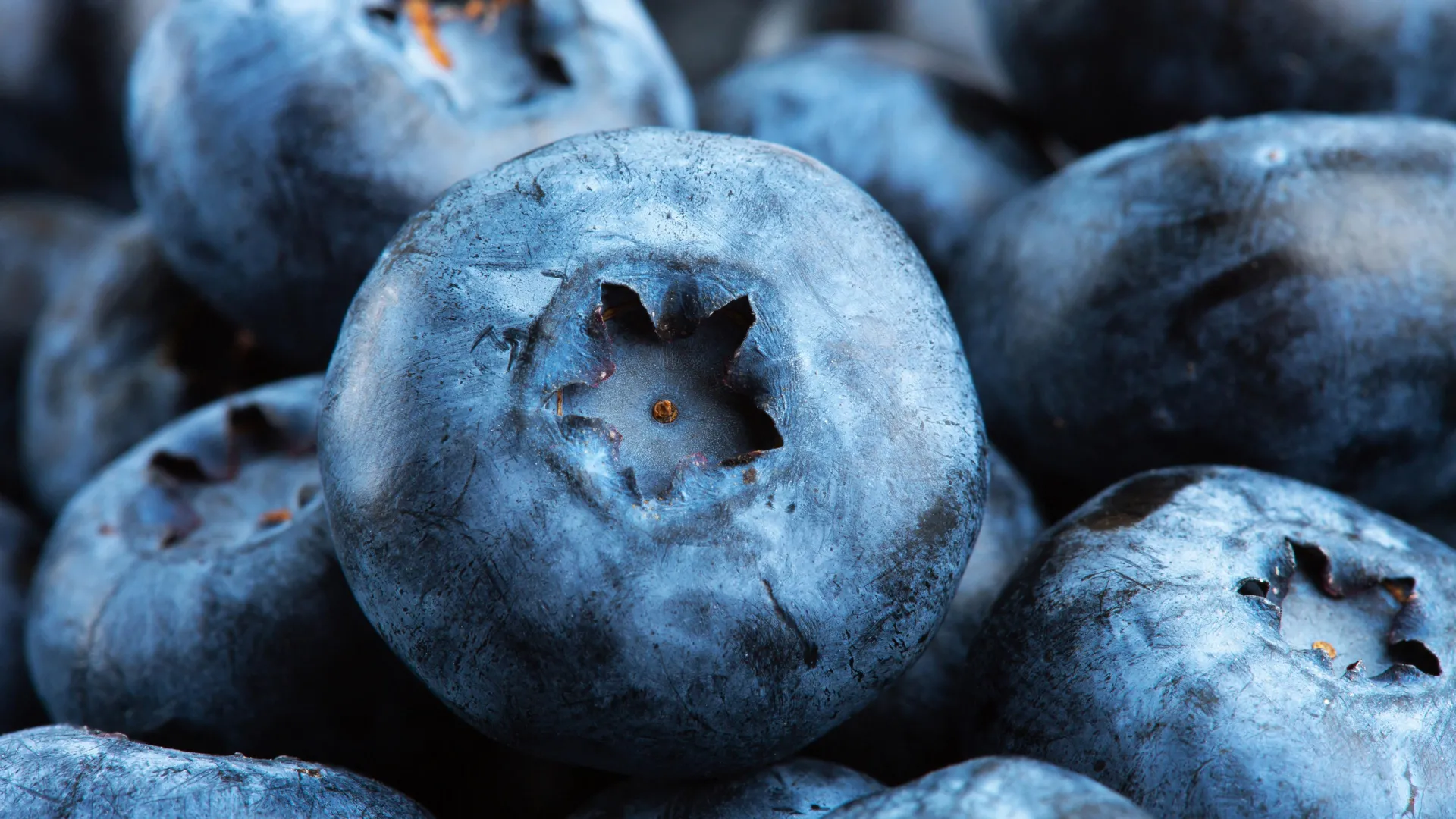
Researchers in Japan have reported that pterostilbene, a naturally occurring substance found in blueberries, grapes and other berries, can influence how muscle cells handle fat. In laboratory experiments using mouse muscle cells, the compound appeared to reduce the accumulation of excess fat by encouraging the cells to oxidize it rather than store it.
The study, conducted by a team at a Japanese university, involved exposing cultured muscle cells to pterostilbene and then measuring changes in lipid content. The results showed a noticeable decline in abnormal fat deposits, suggesting that the compound activates metabolic pathways that favor fat burning. While the precise mechanisms were not detailed in the brief, the researchers indicated that the effect is linked to an increase in the cells' capacity to process fatty acids.
Pterostilbene belongs to a class of compounds known as stilbenoids, which also includes the more widely studied resveratrol. Both have attracted scientific interest for their potential health benefits, ranging from antioxidant activity to metabolic regulation. The new findings add to a growing body of evidence that certain plant-derived molecules can modulate cellular metabolism, a field that could have implications for conditions such as obesity and type‑2 diabetes.
Although the experiments were performed in isolated mouse cells, the researchers caution that translating these results to humans will require further investigation. Human muscle tissue may respond differently, and the effective dose of pterostilbene for a therapeutic effect remains unknown. Nonetheless, the study provides a proof‑of‑concept that dietary compounds can directly affect muscle fat handling at the cellular level.
The discovery arrives at a time when interest in functional foods and nutraceuticals is rising. Consumers increasingly look to natural sources, such as berries, for health-promoting properties, and the food industry is keen to substantiate such claims with scientific data. If subsequent animal studies and clinical trials confirm the muscle‑fat‑burning effect, pterostilbene could become a target for dietary supplements or fortified foods aimed at supporting metabolic health.
Future research will likely explore how pterostilbene interacts with other metabolic regulators and whether its benefits persist in whole‑organism models. Researchers also plan to examine the compound’s safety profile over longer periods, an essential step before any recommendation for regular consumption can be made. For now, the Japanese team's findings add a promising piece to the puzzle of how natural dietary components may influence body composition and metabolic disease risk.


Comments (0)
Be the first to comment.
Join the discussion