Community Initiatives Show Promise in Tackling Illegal Dumping in Indonesia’s Rural Tourist Villages
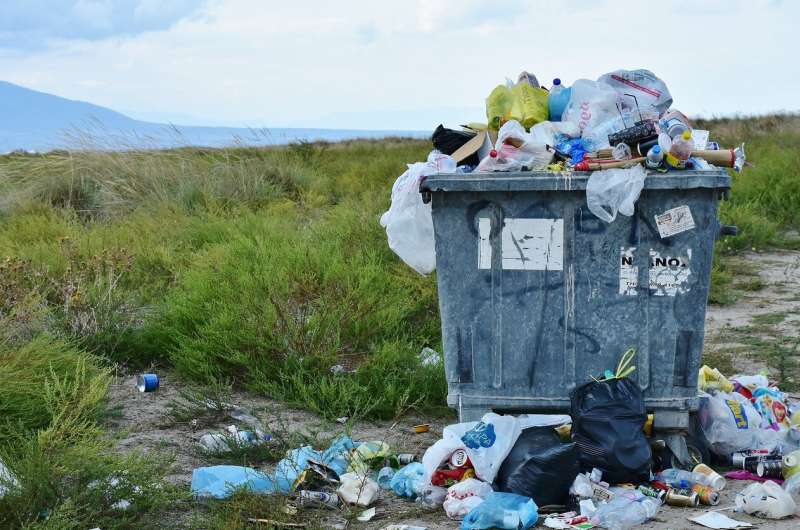
Local residents in a North Sumatran coastal hamlet have demonstrated that community‑run waste management can curb illegal dumping, a finding that may offer a template for other rural tourism destinations across Indonesia.
The observation comes from a recent article in the International Journal of Tourism Anthropology, which examined the waste‑handling challenges faced by Kampung Nipah, a small village that draws visitors to its beaches and cultural attractions. Researchers documented how the absence of formal collection services had led to the accumulation of litter and the illicit disposal of waste in surrounding areas.
According to the study, the lack of infrastructure, combined with increasing tourist numbers, created pressure on the village’s limited capacity to manage refuse. Illegal dumping not only marred the natural landscape but also threatened the health of marine ecosystems that underpin the local tourism economy.
In response, villagers organized a series of grassroots measures. They established designated drop‑off points, coordinated regular clean‑up days, and partnered with nearby authorities to secure transport for collected material. Educational outreach aimed at both residents and visitors emphasized the link between proper waste disposal and the preservation of the village’s appeal.
The authors argue that the approach taken in Kampung Nipah could be adapted to similar settings where municipal services are sparse and tourism is a key source of income. By leveraging local knowledge and fostering a sense of collective responsibility, such initiatives align with Indonesia’s broader goals of reducing marine pollution and improving waste governance.
Future efforts will need to address scaling the model, securing funding for equipment, and integrating community actions with regional waste‑management plans. Continued monitoring and documentation are recommended to assess long‑term impacts and to refine strategies that balance tourism growth with environmental stewardship.


Comments (0)
Be the first to comment.
Join the discussion