Omega‑3 and Low‑Dose Aspirin Show Comparable Efficacy to Antibiotics in Treating Advanced Periodontitis
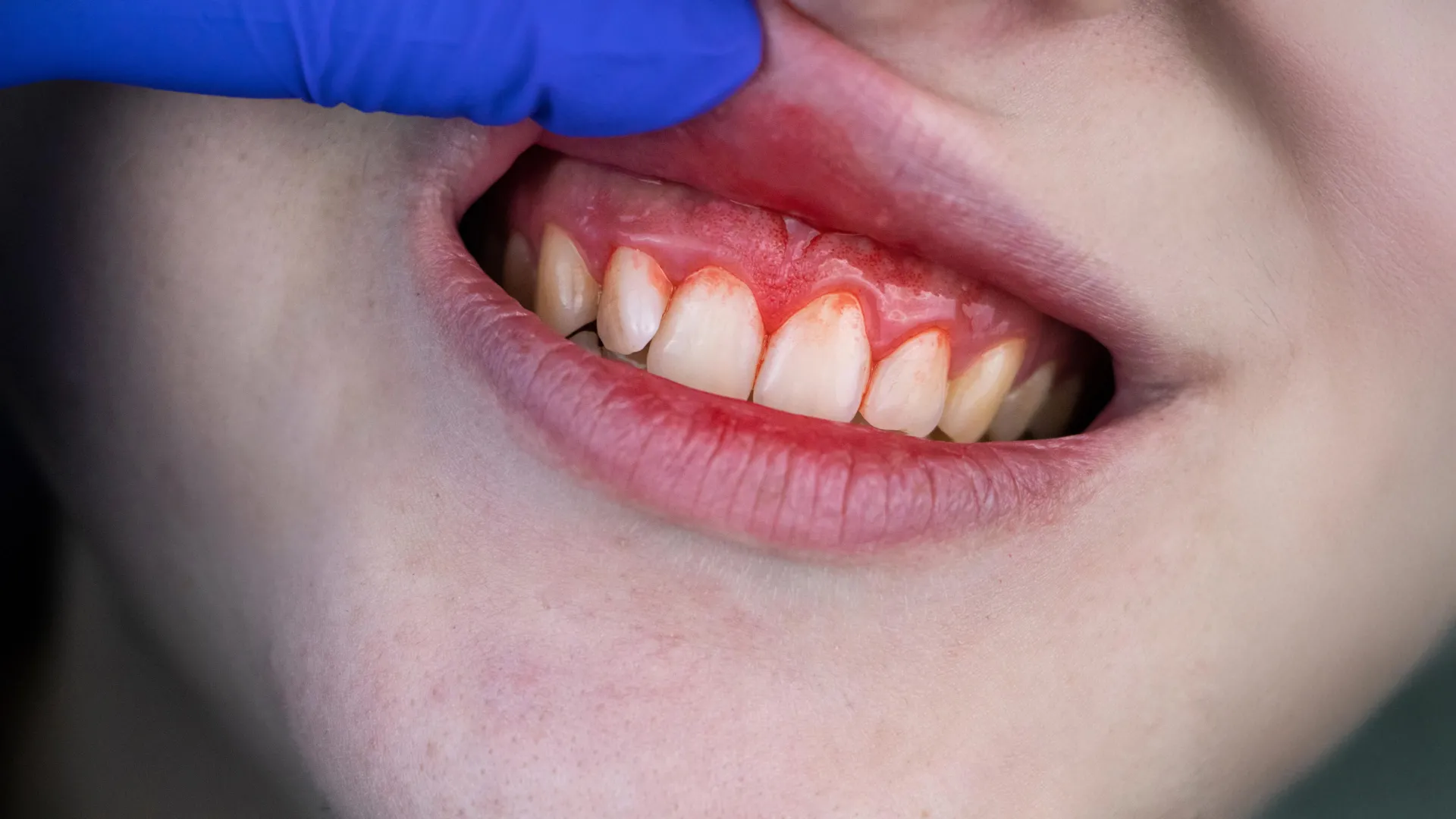
A year‑long clinical trial has found that a combination of omega‑3 fatty acids and low‑dose aspirin can be as effective as conventional antibiotic therapy in managing severe gum disease, with roughly 58 % of participants in each group meeting the predefined treatment target.
The study enrolled adults diagnosed with advanced periodontitis and randomly assigned them to receive either the standard antibiotic regimen or a daily supplement of omega‑3 capsules together with low‑dose aspirin. All participants also received professional dental cleanings and oral hygiene instructions throughout the 12‑month period.
At the end of the trial, the proportion of patients who achieved a clinically significant reduction in periodontal pocket depth and inflammation was virtually identical in the two arms—58 % in the supplement group versus 58 % in the antibiotic group. No major differences were observed in adverse events, and the supplement regimen was well tolerated.
These findings arrive at a time when the dental community is grappling with the broader issue of antimicrobial resistance. Antibiotics have long been a cornerstone of adjunctive therapy for aggressive periodontitis, but overuse contributes to the emergence of resistant bacterial strains. Demonstrating a non‑antibiotic alternative that delivers comparable outcomes could shift prescribing patterns.
Periodontitis, a chronic inflammatory disease triggered by bacterial biofilm, can lead to tooth loss and has been linked to systemic conditions such as cardiovascular disease and diabetes. Traditional management combines mechanical debridement with systemic antibiotics for patients who do not respond to scaling and root planing alone.
Omega‑3 fatty acids possess anti‑inflammatory properties that modulate the host response, while low‑dose aspirin inhibits platelet aggregation and also exerts anti‑inflammatory effects. The synergy between these agents may dampen the inflammatory cascade that drives tissue destruction in the gums, offering a mechanistic rationale for the observed clinical benefit.
Researchers caution that the results, while promising, represent a single trial and that larger, multi‑center studies are needed to confirm efficacy across diverse populations. They also note that the supplement protocol may not replace antibiotics for all cases, particularly acute infections requiring rapid bacterial eradication.
If subsequent investigations corroborate the current data, dental practitioners could have an additional tool to manage severe periodontitis while reducing reliance on antibiotics. Such a shift would align with public‑health goals to curb antimicrobial resistance and could expand the role of nutraceuticals in periodontal therapy.


Comments (0)
Be the first to comment.
Join the discussion