Colorful Japanese Rice Varieties Show Promise for Blood‑Sugar Management
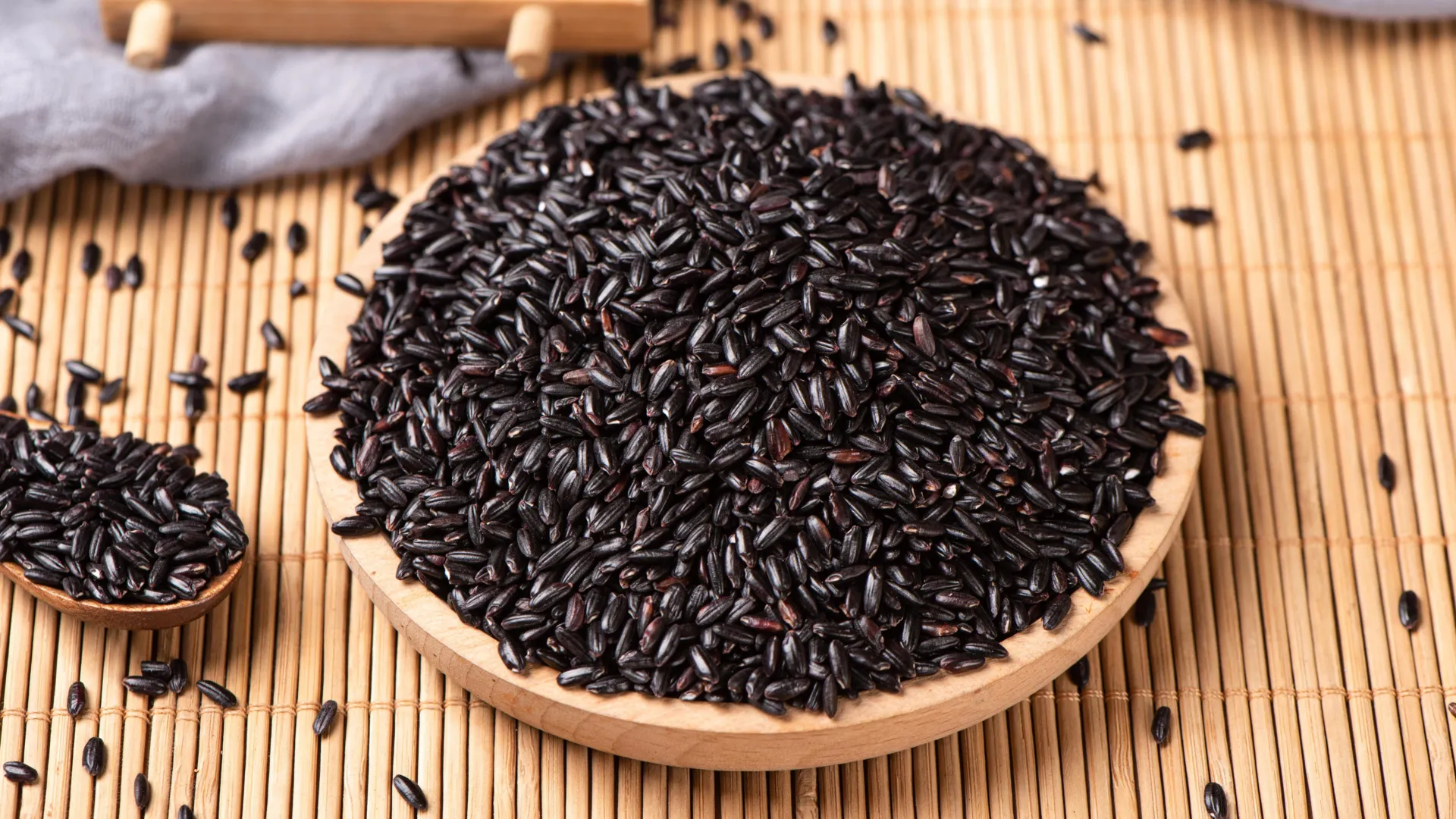
A team of scientists has discovered that black and green rice grown in Japan contain distinctive lipid compounds and are broken down more slowly than conventional white rice, a combination that could make them attractive ingredients for products aimed at stabilising blood‑sugar levels.
The researchers analysed the chemical makeup of the pigmented grains and identified a suite of unusual fatty acids not typically found in staple rice. These lipids, which differ in structure from the common triglycerides of white rice, appear to influence how the grain is processed in the digestive tract.
Laboratory tests demonstrated that the pigmented varieties release glucose into the bloodstream at a reduced rate compared with white rice. Slower carbohydrate absorption can blunt post‑meal spikes in blood sugar, a factor that is increasingly important for people managing diabetes or seeking to prevent metabolic disorders.
White rice dominates global consumption, but its high glycemic index has drawn criticism from nutrition experts. Prior studies have highlighted the health benefits of whole grains and fiber‑rich foods, yet few have examined the role of rice‑derived fats. The new findings add a layer of nuance, suggesting that the color of the grain may signal deeper nutritional differences beyond the well‑known antioxidant pigments.
Food manufacturers are already exploring ways to incorporate black and green rice into noodles, snacks and ready‑to‑eat meals. The grains’ unique flavor profile and striking appearance could meet consumer demand for functional foods that are both appealing and health‑forward. However, the higher cost of cultivating pigmented rice and limited supply chains pose practical hurdles for large‑scale adoption.
The scientists caution that human trials are needed to confirm the laboratory results and to determine appropriate serving sizes. Future research will also explore how cooking methods affect the lipid content and glycemic response. If subsequent studies validate the benefits, black and green Japanese rice could become a valuable component of dietary strategies aimed at reducing the burden of blood‑sugar‑related conditions.


Comments (0)
Be the first to comment.
Join the discussion