Collectors Chase Ultra‑Rare Gaming Console Variants as Market Booms
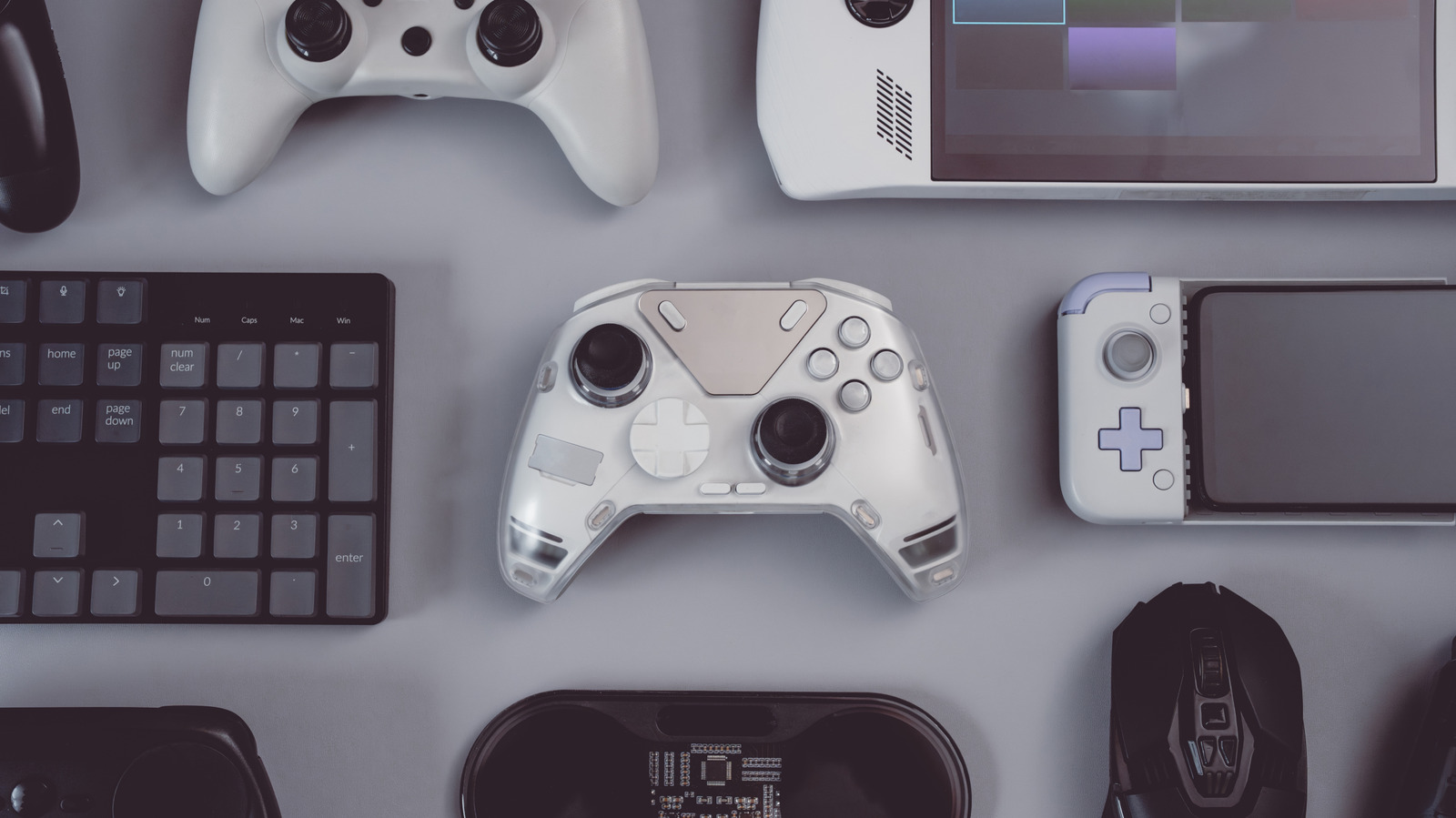
Engadget recently compiled a list of ten gaming consoles that are so scarce they are practically unseen in everyday hands, underscoring a growing niche where rarity drives demand among enthusiasts.
These elusive machines are typically the result of limited production runs, exclusive partnerships, or promotional giveaways that never reached mass markets. Manufacturers may release a handful of units to commemorate a milestone, a cultural event, or a brand collaboration, creating a built‑in scarcity that transforms a standard console into a coveted collectible.
The collector community treats such editions as both status symbols and investment assets. Prices on secondary markets often soar well beyond original retail, especially when provenance can be verified through serial numbers, original packaging, or accompanying memorabilia. Auction houses and specialized online platforms have become the primary venues where these items exchange hands, fueling a cycle of discovery and resale.
Among the most talked‑about examples are limited‑edition variants of well‑known platforms such as PlayStation, Xbox and Nintendo systems, as well as rarer releases from legacy brands like Sega and Atari. Some were produced for specific regional events, others sport unique color schemes or custom artwork that never appeared on mainstream models. While the exact titles differ, each shares the common thread of being produced in quantities so low that only a few collectors ever obtain one.
Looking ahead, the trend of issuing ultra‑limited console runs shows no sign of fading. As manufacturers explore new ways to engage fans, we can expect future editions that blend nostalgia with modern technology, further blurring the line between functional hardware and collectible art. Preservationists warn that the scarcity of these items makes documentation essential, ensuring that gaming history remains accessible even as the physical units become increasingly rare.



Comments (0)
Be the first to comment.
Join the discussion