Choosing Between Apple’s iPhone 18 Pro and the New iPhone Air: A Practical Guide
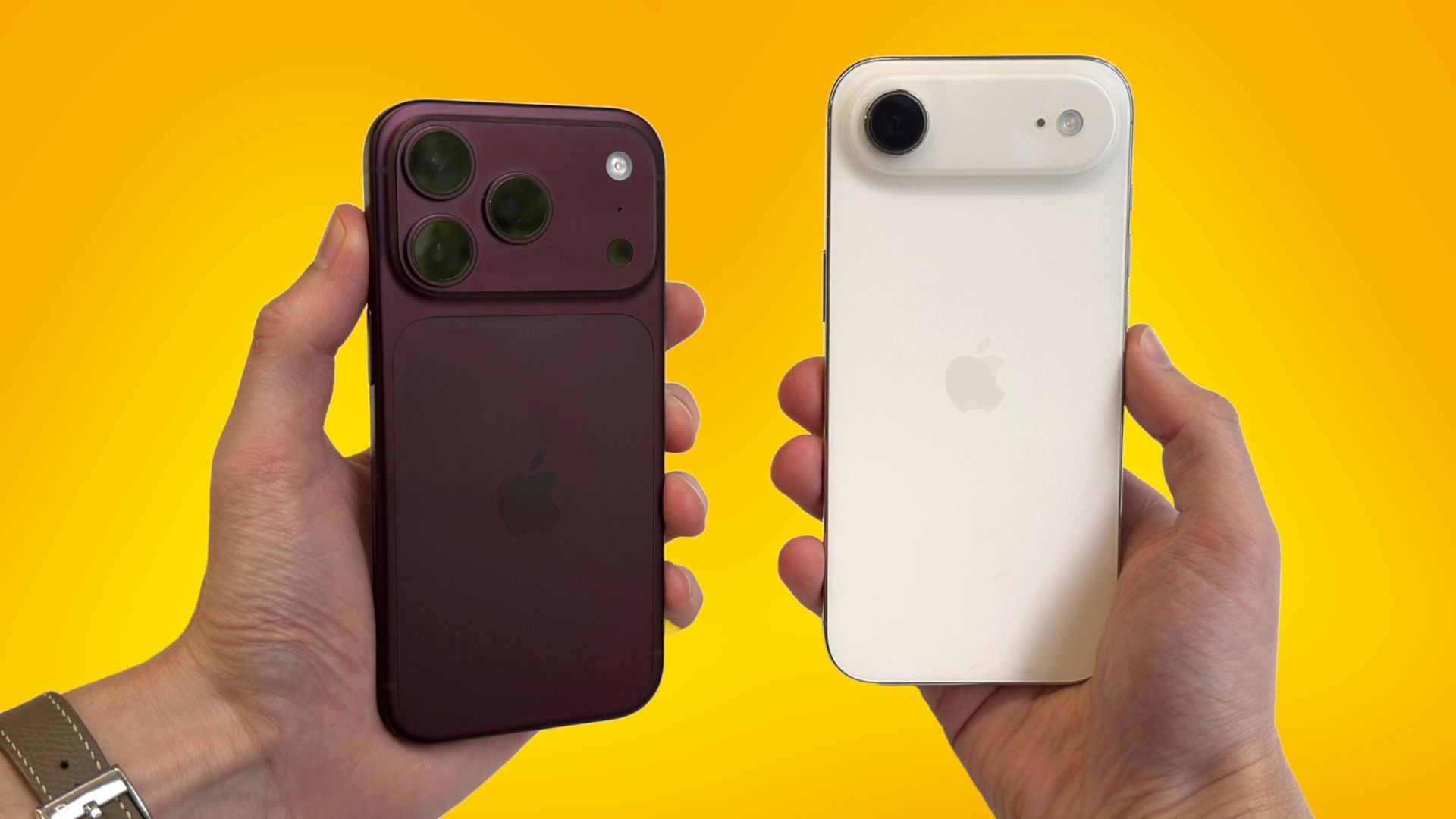
Apple’s latest flagship, the iPhone 18 Pro, arrives with a suite of high‑end upgrades that place it at the top of the company’s lineup, while the newly announced iPhone Air offers a lighter, more budget‑friendly alternative. Consumers weighing the two must consider how the Pro’s expanded camera system, larger battery, and next‑generation processor stack up against the Air’s slimmer design and lower price point.
The iPhone 18 Pro distinguishes itself with a revamped triple‑lens camera array that promises greater flexibility for both casual snapshots and professional‑grade video. Coupled with Apple’s A20 Pro chipset, the device delivers faster computational photography and smoother performance across demanding apps. Reviewers also note the phone’s expansive, high‑resolution display, which provides vivid colour reproduction and high refresh rates, reinforcing its premium positioning.
Battery endurance is another strong suit of the Pro model. A high‑capacity cell, combined with the efficiency gains of the A20 Pro, translates into longer usage between charges, a factor that heavy users and mobile gamers will appreciate. However, the trade‑off comes in the form of a noticeably bulkier chassis, which some users may find less comfortable for all‑day wear.
In contrast, the iPhone Air targets customers who prioritize portability and cost savings without abandoning the core iPhone experience. While it lacks the Pro’s triple‑camera complexity and the most powerful processor, it still offers a capable dual‑camera system, a solid battery life, and a sleek form factor that fits easily into pockets. The Air’s pricing strategy positions it as an attractive entry point for those upgrading from older iPhone models or switching from competing Android devices.
Ultimately, the decision hinges on individual priorities. Users who demand top‑tier photography, the longest possible screen time, and are willing to accommodate a larger device will likely gravitate toward the iPhone 18 Pro. Those who value a lighter phone, a more affordable price tag, and are satisfied with solid—but not cutting‑edge—features may find the iPhone Air to be the better fit. As the market absorbs both models, Apple’s dual‑tier approach aims to capture a broad spectrum of consumers, from power users to everyday shoppers, setting the stage for the next cycle of smartphone competition.



Comments (0)
Be the first to comment.
Join the discussion