Chinese MSS Operative Allegedly Courted Nvidia CEO in Espionage Scheme
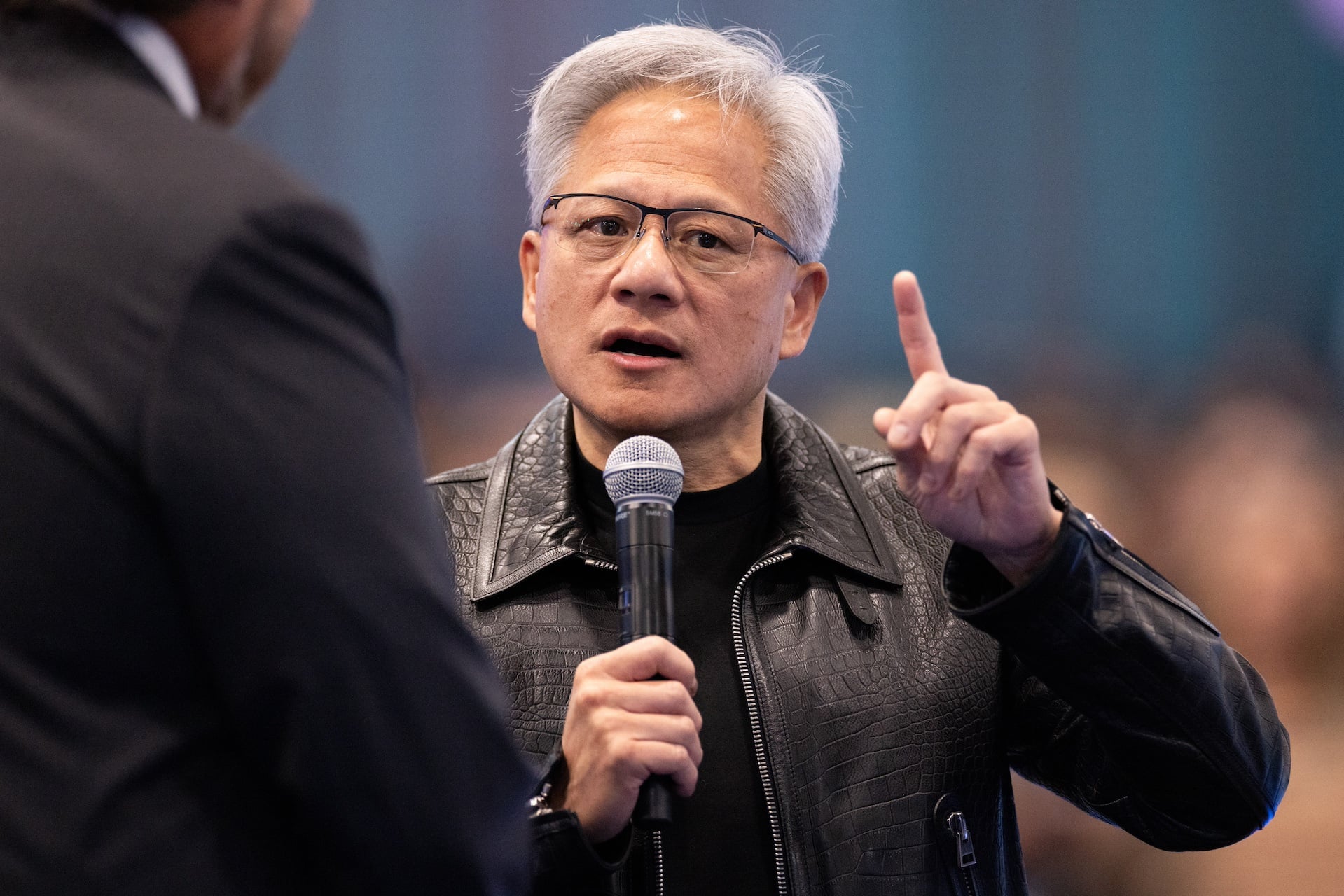
A recent New York Times investigation has identified a woman who cultivated a personal relationship with Nvidia founder and chief executive Jensen Huang as an operative recruited by China’s Ministry of State Security, the nation’s premier intelligence agency.
According to the report, the woman was tasked with gaining Huang’s trust and accessing information about Nvidia’s cutting‑edge artificial‑intelligence hardware. The article, which builds on earlier coverage by Gizmodo, says the operative worked directly for the MSS and used the personal connection as a conduit for potential intelligence gathering.
Nvidia, a leader in graphics processing units and AI accelerators, sits at the centre of a broader strategic rivalry between the United States and China. Its chips power data‑centre AI workloads and are integral to emerging technologies ranging from autonomous vehicles to advanced scientific research. The company’s prominence makes it a high‑value target for foreign intelligence services seeking to narrow the technological gap.
China’s intelligence apparatus has a documented history of targeting U.S. technology firms, often employing “intelligence‑collection” operatives who embed themselves in professional or social circles to obtain proprietary data. Past cases have involved cyber intrusions, recruitment of insiders, and the use of front companies to acquire technical know‑how. The new allegation adds a personal‑relationship dimension to the repertoire of tactics reported in prior investigations.
The revelation arrives as U.S. policymakers intensify scrutiny of Chinese influence operations across the private sector. Federal agencies have recently issued advisories urging companies to bolster counter‑intelligence measures, and several congressional committees are examining the security implications of foreign recruitment efforts aimed at senior executives.
Chinese officials have not provided a comment on the specific allegations, a common stance in similar cases. The Ministry of State Security, which oversees both domestic and overseas intelligence activities, typically refrains from public discussion of individual operations.
Analysts say the report could prompt Nvidia to review its internal security protocols and may lead to broader industry‑wide assessments of foreign‑agent risk. As the United States continues to grapple with the challenge of protecting its technological edge, incidents like this underscore the complex interplay between corporate leadership, national security, and international espionage.



Comments (0)
Be the first to comment.
Join the discussion