Chinese makers accelerate foldable race as Apple readies its first dual‑screen iPhone
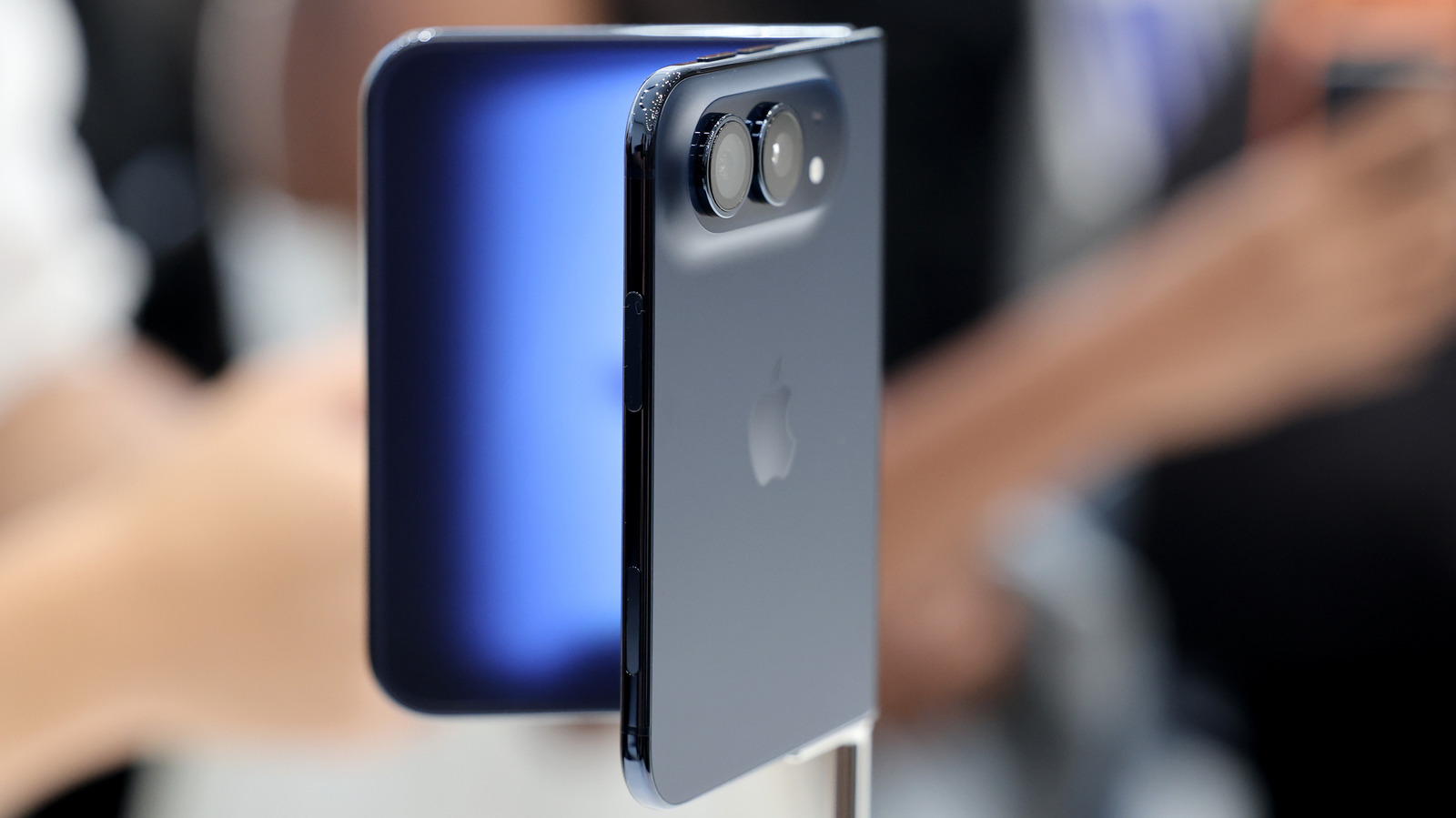
Apple’s anticipated foldable smartphone, rumored to be called the iPhone Duo, has sparked a wave of discussion across the tech community, but the spotlight is also turning to a growing lineup of non‑U.S. competitors that are already shipping their own flexible devices.
Companies such as Xiaomi and Oppo have been active in the foldable market for several years, offering models that blend high‑end specifications with pricing strategies aimed at a broader audience. Xiaomi’s Mix Fold series, for example, combines a large inner display with a secondary outer screen, while Oppo’s Find N line emphasizes a compact form factor and a hinge design that minimizes the crease visible when the device is unfolded.
These offerings arrive at a time when Apple is reportedly finalizing a dual‑screen concept that would allow users to operate two apps side‑by‑side, a feature that could redefine the company’s approach to multitasking on mobile devices. While Apple has not confirmed a launch date, industry analysts suggest that the company is positioning its entry to compete directly with the premium segment dominated by Chinese manufacturers.
The competition matters because foldable phones remain a niche market due to high production costs and durability concerns. By introducing more affordable alternatives, brands like Xiaomi and Oppo are expanding the consumer base, encouraging wider adoption and prompting improvements in hinge engineering, battery life, and software optimization.
Beyond pricing, the non‑U.S. brands are also differentiating themselves through ecosystem integration. Xiaomi leverages its extensive IoT portfolio to offer seamless connectivity between the foldable phone and smart home devices, while Oppo emphasizes camera versatility, pairing its foldable hardware with advanced imaging software that rivals flagship smartphones.
Apple’s entry could shift market dynamics in several ways. A successful launch might raise consumer expectations for build quality and software polish, pressuring competitors to further refine their devices. Conversely, if Apple’s version is priced at a premium, it could reinforce the perception of foldables as luxury items, leaving room for Chinese manufacturers to dominate the mid‑range segment.
Regulatory environments and supply‑chain considerations also play a role. The ongoing semiconductor shortage has affected component availability worldwide, and manufacturers are navigating these constraints while scaling production. Both Apple and its rivals must balance demand with realistic manufacturing timelines.
Looking ahead, analysts expect the foldable market to grow steadily as design refinements address early criticisms such as screen creasing and weight. Apple’s potential debut may accelerate this trend, prompting further innovation from all players. Consumers can anticipate more choices, ranging from high‑priced flagship models to more budget‑friendly options, ultimately shaping the future of mobile computing.



Comments (0)
Be the first to comment.
Join the discussion