China Joins Elite Space Club with Landmark Reusable Rocket Landing
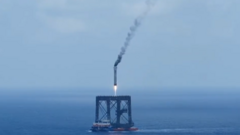
China has achieved a significant milestone in its ambitious space program, successfully completing the first-ever landing of a reusable rocket, according to reports from state media. This accomplishment positions the nation alongside pioneering US private enterprises, SpaceX and Blue Origin, in mastering a technology crucial for the future of space travel.
The successful recovery of the rocket marks a pivotal moment for China's aerospace capabilities. While specific details of the mission, including the type of rocket used, were not immediately disclosed, state media emphasized the 'first-time' nature of this feat for the country. Reusable rocket technology is highly sought after as it promises to dramatically reduce the cost and increase the frequency of space launches by allowing expensive rocket components to be used multiple times.
For years, American companies have led the charge in demonstrating the viability of vertical rocket landings. Elon Musk's SpaceX, with its Falcon 9 boosters, has routinely landed rockets back on Earth or on drone ships after orbital missions. Jeff Bezos's Blue Origin has also successfully landed its New Shepard suborbital rocket, showcasing similar capabilities. China's entry into this exclusive group signals a deepening commitment to advanced space technologies.
The ability to recover and reuse rockets is transformative for space exploration and commercial space endeavors. It represents a significant leap towards more sustainable and economically viable access to space. Lower launch costs could unlock new opportunities for satellite deployment, scientific research, and even future space tourism or resource extraction missions, accelerating the pace of innovation across the global space industry.
This latest achievement underscores the rapid expansion and advancement of China's national space program, which has made substantial progress in recent decades. Beijing has articulated ambitious goals, including the establishment of its own space station, lunar exploration, and deep-space missions. Mastering reusable launch systems is an essential building block for realizing these long-term aspirations and solidifying its position as a major space power.
The successful landing is expected to intensify the ongoing competition and potential for collaboration within the international space community. As more nations and private entities develop and refine reusable rocket capabilities, the landscape of space access is likely to become more dynamic, potentially leading to further reductions in launch costs and a wider array of space-based activities globally.
In essence, China's inaugural reusable rocket landing is not merely a technical triumph but a strategic one, signaling its growing technological parity and competitive edge in an increasingly crowded and critical domain. It sets the stage for a new era in China's space exploration efforts and reshapes the global calculus of aerospace innovation.


Comments (0)
Be the first to comment.
Join the discussion