Cells Deploy Complex Repair Systems to Safeguard DNA Integrity
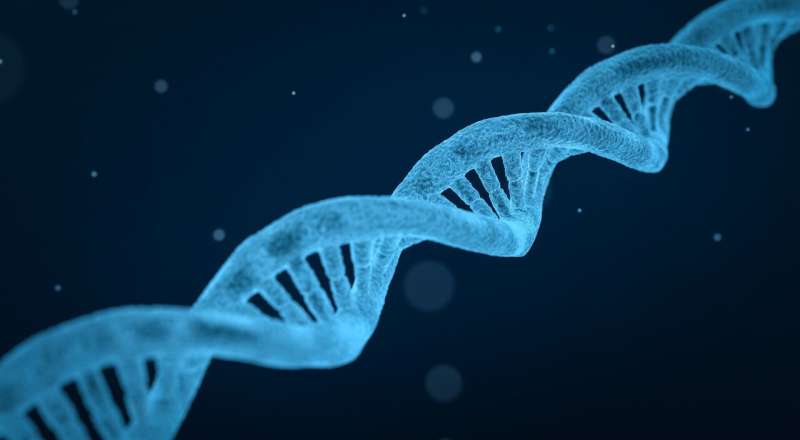
Every human cell continuously confronts the task of preserving its genetic code, a challenge that intensifies each time the cell divides and must duplicate its DNA with high fidelity. Scientists explain that the cellular machinery responsible for copying and repairing DNA operates under relentless pressure from both internal metabolic by‑products and external environmental insults.
During replication, the enzyme DNA polymerase copies the double helix, but the process is not error‑free. Misincorporated bases, strand breaks, and chemical modifications can arise, prompting a cascade of surveillance mechanisms. When these lesions are left unrepaired, they jeopardize genome stability, potentially leading to mutations that accumulate over time.
To counteract this threat, cells employ a suite of repair pathways, each tailored to specific types of damage. Base excision repair removes small, chemically altered bases; nucleotide excision repair excises bulky adducts such as those caused by ultraviolet light; mismatch repair corrects replication errors; and homologous recombination or non‑homologous end joining mend double‑strand breaks. The coordination of these systems involves dozens of proteins that detect damage, signal its presence, and orchestrate the corrective steps.
Research highlights that deficiencies in any of these pathways can have profound consequences. For instance, inherited mutations in mismatch‑repair genes predispose individuals to certain cancers, while defects in homologous recombination underlie conditions like hereditary breast and ovarian cancer. Moreover, the gradual decline of repair efficiency with age is thought to contribute to the accumulation of somatic mutations observed in older tissues.
The importance of DNA repair extends beyond disease prevention. It influences how cells respond to therapeutic interventions, such as chemotherapy and radiation, which deliberately induce DNA damage to kill cancer cells. Understanding the balance between repair capacity and treatment‑induced lesions is guiding the development of drugs that inhibit specific repair enzymes, thereby sensitizing tumors to existing therapies.
Looking ahead, scientists are mapping the intricate network of repair proteins using high‑resolution structural techniques and genome‑wide screens. These efforts aim to pinpoint novel targets for intervention and to predict how individual genetic backgrounds may affect repair proficiency. As knowledge deepens, the prospect of personalized strategies that bolster DNA maintenance or selectively weaken it in diseased cells becomes increasingly tangible.


Comments (0)
Be the first to comment.
Join the discussion