Advocates Push for Expanded Access to Unused Public Land for Food Cultivation
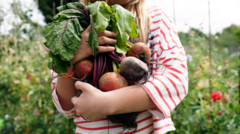
A growing movement is advocating for a recognized right for individuals and communities to cultivate food on public land that currently lies fallow. The proposal aims to transform neglected urban spaces into productive gardens and allotments, fostering local food security and community engagement.
This initiative builds upon existing examples of success within the capital. Several London councils have already embraced a similar vision, permitting unused plots of public land to be repurposed for a variety of green projects. These range from vibrant community gardens that yield fresh produce to well-maintained flowerbeds that enhance local aesthetics and biodiversity, demonstrating the tangible benefits of such schemes.
Proponents argue that formalizing a 'right to grow' would unlock significant potential, particularly in densely populated urban environments where access to green space is often limited. Converting neglected areas into productive food-growing sites could offer a practical solution to rising food costs, reduce carbon footprints by shortening supply chains, and provide educational opportunities about sustainable living.
Beyond the agricultural benefits, these projects are known to cultivate stronger community bonds. Shared gardening initiatives often become hubs for social interaction, bringing diverse groups of people together for a common purpose. This not only beautifies neighborhoods but also enhances mental well-being through engagement with nature and collaborative effort.
The call for broader adoption reflects a wider societal shift towards sustainability and local resilience. With increasing concerns over environmental impact and the stability of global food networks, empowering citizens to grow their own food is seen as a vital step towards creating more self-sufficient and adaptable urban ecosystems.
Implementing such a right would necessitate careful consideration of various factors, including land management, public access, and the provision of necessary resources or support for aspiring growers. Clear guidelines and collaborative frameworks between local authorities and community groups would be crucial for the successful scaling of these initiatives across more areas.
As cities continue to grapple with challenges like climate change and food access, the proposal to grant wider rights for food cultivation on unused public land presents an intriguing pathway forward. It signals a potential paradigm shift in how urban spaces are utilized, prioritizing community empowerment and ecological health alongside traditional development models.


Comments (0)
Be the first to comment.
Join the discussion