Micro-Reserve Gardens Emerge as Potent Havens for Butterfly Diversity
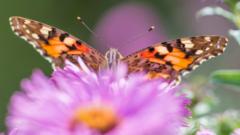
A recent report highlights the remarkable success of specialized cultivation spaces, known as micro-reserve gardens, in significantly boosting local butterfly populations. These dedicated plots are demonstrating an exceptional capability to attract and sustain a much broader array of these vital pollinators, a stark contrast to conventional residential gardens which typically host a modest five to ten different butterfly species.
The findings arrive at a crucial juncture, as insect populations, including butterflies, face increasing global pressures from habitat destruction, climate shifts, and the widespread use of pesticides. Butterflies, admired for their aesthetic appeal, are also indispensable indicators of environmental health and essential pollinators for countless plant species, making their decline a pressing ecological concern.
A micro-reserve garden is meticulously designed with biodiversity as its core principle. It typically features a diverse selection of native plants that provide specific food sources for butterfly larvae (caterpillars) and abundant nectar for adult butterflies. Crucially, these small, intentional ecosystems rigorously avoid chemical pesticides and herbicides, thereby creating a safe, nurturing environment for insects throughout their entire life cycle.
This thoughtful cultivation of specific host plants and nectar sources, coupled with the provision of shelter and undisturbed areas, establishes an optimal habitat for butterflies to thrive and complete their life cycles. Such an intentional, ecologically-minded approach stands in sharp contrast to the often ornamental, less biodiverse planting schemes commonly found in many urban and suburban gardens.
The striking difference in species count—where typical gardens support only a handful of species—underscores the profound impact that conventional gardening practices can have. Factors such as the prevalence of non-native plant species, meticulously manicured lawns, and the regular application of pest control agents can inadvertently diminish the suitability of gardens as viable habitats for many butterfly species.
The demonstrated success of these micro-reserve gardens offers a compelling and actionable model for both individual homeowners and community organizations eager to contribute to local conservation efforts. Even small parcels of land, when managed with ecological mindfulness, can serve as critical stepping stones and vital refugia for insect populations that are currently under considerable threat.
This innovative approach suggests that collective action, scaled across numerous small plots, holds the potential to yield substantial positive outcomes for biodiversity. By transforming even a fraction of conventional garden spaces into dedicated micro-reserves, communities possess the capacity to forge a vital network of habitats, thereby supporting not only butterflies but also a wider array of beneficial insects and the broader local ecosystem.


Comments (0)
Be the first to comment.
Join the discussion