UK Bumblebees Falter as Heatwaves Challenge Cold-Adapted Physiology
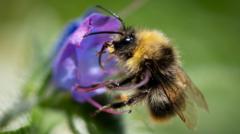
Bumblebees across the United Kingdom are facing significant challenges as the country experiences increasingly frequent and intense heatwaves. These distinctive, furry insects, renowned for their resilience in cooler climates, possess physiological adaptations that become a detriment when temperatures soar, according to recent scientific observations.
The dense, insulating fur that characterizes UK bumblebees is perfectly evolved for trapping warmth, enabling them to remain active and forage efficiently even during chilly British springs and autumns. However, this natural thermal regulation system struggles to dissipate excess heat effectively when ambient temperatures rise significantly, making prolonged exposure to heatwaves a serious threat to their survival.
As a consequence of their cold-weather adaptations, bumblebees can quickly overheat, leading to stress and reduced activity. This can impact their ability to forage for nectar and pollen, which are vital for colony health and reproduction. The energy expenditure required to manage their body temperature in high heat leaves less energy for essential tasks, potentially weakening colonies over time.
The plight of bumblebees in extreme heat is particularly concerning given their crucial role in the UK ecosystem. As primary pollinators, they are indispensable for the reproduction of countless wild plants and many agricultural crops, contributing significantly to biodiversity and food security. A decline in bumblebee populations due to climate-related stresses could have cascading effects throughout the environment.
With climate projections indicating a continued trend towards hotter summers and more frequent heat events, understanding and mitigating the impact on vulnerable species like bumblebees becomes increasingly important. Environmental scientists and conservationists are highlighting the need for greater awareness of how these temperature shifts affect native wildlife.
While the challenge is substantial, experts suggest that local communities and individuals can play a part in offering support. Simple measures, such as providing shallow dishes of water with pebbles for bees to drink safely or planting heat-tolerant, nectar-rich flowers that can offer some shade, may help reduce immediate stress during peak heat.
Further research into the long-term effects of climate change on bumblebee physiology and behavior is ongoing. The findings underscore the broader implications of global warming, urging continued conservation efforts and a proactive approach to protecting these vital pollinators against an increasingly warming world.


Comments (0)
Be the first to comment.
Join the discussion