Bronze Signet Bearing Alexandria's Lighthouse Unearthed from Sea Bed
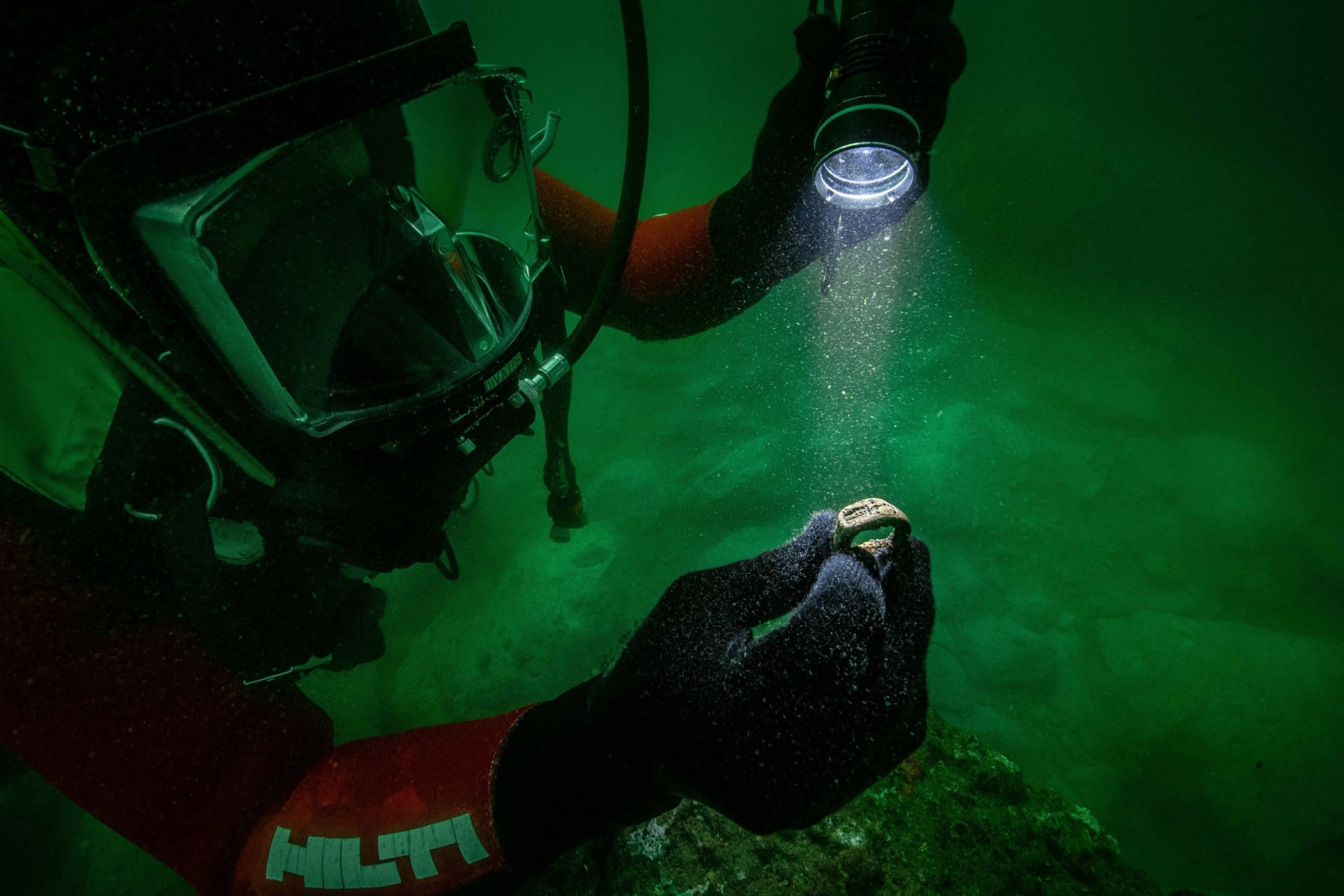
Underwater archaeologists have recovered a singular bronze signet ring bearing an engraving of the famed Lighthouse of Alexandria, marking the first known artifact of its kind to surface from the depths. The discovery, announced by a team of marine researchers, adds a rare material link to one of the ancient world’s most celebrated structures.
The ring, recovered from a wreck site off the Egyptian coast, features a detailed relief of the lighthouse, also known as the Pharos, which once guided ships into the harbor of Alexandria. Scholars note that the lighthouse, constructed in the third century BCE under Ptolemy II, was one of the Seven Wonders of the Ancient World and has long been represented in art and coinage, but a personal item bearing its image is unprecedented.
Experts suggest the bronze signet functioned as a notarizing tool, a portable seal used to authenticate official documents. In antiquity, such rings were pressed into wet wax or clay to imprint a unique imprint, confirming the authority of the bearer. The presence of the lighthouse motif may indicate the owner’s connection to the city’s maritime administration or a desire to associate themselves with the beacon’s symbolic power.
The find underscores the growing importance of underwater archaeology in uncovering artifacts lost to shipwrecks, coastal erosion, and shifting sea levels. The team employed sonar mapping and remotely operated vehicles to locate the debris field before carefully retrieving the ring. Conservationists are now stabilizing the bronze, which shows signs of corrosion but remains legible enough for detailed study.
While the exact provenance of the ring remains uncertain, its style aligns with Hellenistic metalwork, and its bronze composition matches known alloys used in the Mediterranean between the 3rd and 1st centuries BCE. Researchers hope that further analysis, including metallurgical testing and comparative iconography, will narrow its chronological window and possibly tie it to a specific administrative office in Alexandria.
The discovery has sparked interest among historians of ancient bureaucracy, who see the signet as a tangible reminder of how documentation and authority were managed in a bustling port city. The lighthouse itself, long studied through textual descriptions and archaeological remnants, now gains a personal dimension through an object that may have been carried by a clerk, merchant, or official navigating the same waters.
Future work will focus on publishing the findings in a peer‑reviewed journal, conducting a comprehensive survey of the surrounding wreckage, and exploring whether other similarly marked objects remain submerged. As the signet undergoes further examination, it promises to deepen our understanding of the everyday tools that supported the administration of one of antiquity’s greatest urban centers.


.jpg)
Comments (0)
Be the first to comment.
Join the discussion