Study Links Dopamine Neuron Damage to Persistent Fatigue and Brain Fog in Long COVID
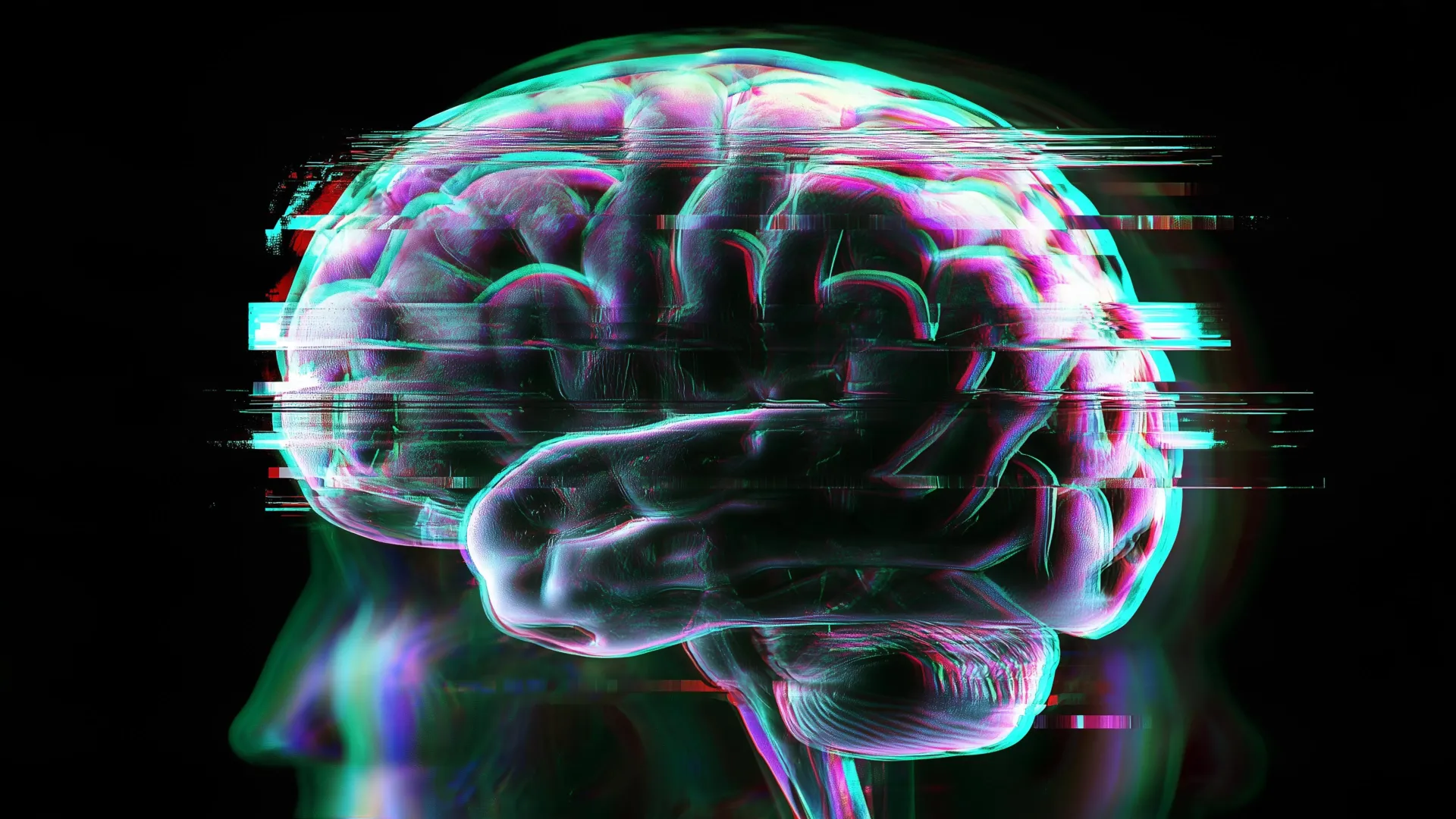
New research suggests that lingering symptoms of COVID-19, often dubbed "long COVID," may stem from damage to brain cells that release dopamine, a neurotransmitter crucial for motivation, movement and memory. The findings, published in a peer‑reviewed study and highlighted by ScienceDaily, could clarify why many survivors experience chronic exhaustion, reduced drive, slowed physical responses and difficulty concentrating.
Scientists examined brain scans of individuals who continued to report these symptoms months after the acute phase of infection. The imaging data revealed reduced activity in regions populated by dopaminergic neurons, particularly within the midbrain and basal ganglia. Such areas are known to regulate reward processing and motor function, and their impairment aligns with the constellation of fatigue, low motivation and cognitive sluggishness reported by patients.
The link between dopamine and fatigue is not new; disorders such as Parkinson's disease and certain forms of depression also involve dopaminergic deficits. However, this is the first large‑scale investigation to connect these neural changes directly to post‑viral sequelae of SARS‑CoV‑2. By pinpointing a biological substrate, researchers hope to move beyond the current symptom‑based management of long COVID, which largely relies on supportive care and rehabilitation.
While the study stops short of establishing a causal pathway, it raises the prospect that therapies aimed at restoring dopamine function could alleviate some of the most debilitating aspects of the condition. Existing medications that boost dopamine signaling—such as certain antidepressants, stimulants, or agents used in Parkinson's disease—might be repurposed, pending rigorous clinical trials. Researchers emphasize that any such approach would need careful evaluation to balance benefits against potential side effects.
The discovery arrives at a time when health systems worldwide are grappling with an expanding cohort of long COVID patients. Estimates suggest that a significant minority of those infected—potentially millions—experience symptoms lasting beyond three months. Understanding the neurobiological underpinnings is critical for developing targeted interventions and for informing public health strategies aimed at mitigating the long‑term burden of the pandemic.
Future work will likely focus on longitudinal studies to track the progression of dopaminergic changes over time and to determine whether they reverse with recovery or persist indefinitely. Researchers also aim to explore why some individuals develop these neural alterations while others recover fully, examining factors such as viral load, immune response and pre‑existing health conditions. As the scientific community continues to unravel the mechanisms of long COVID, the dopamine hypothesis offers a promising avenue for both diagnostic markers and therapeutic innovation.


Comments (0)
Be the first to comment.
Join the discussion