Boosting SORLA Protein Shows Promise in Halting Alzheimer’s Tau Damage
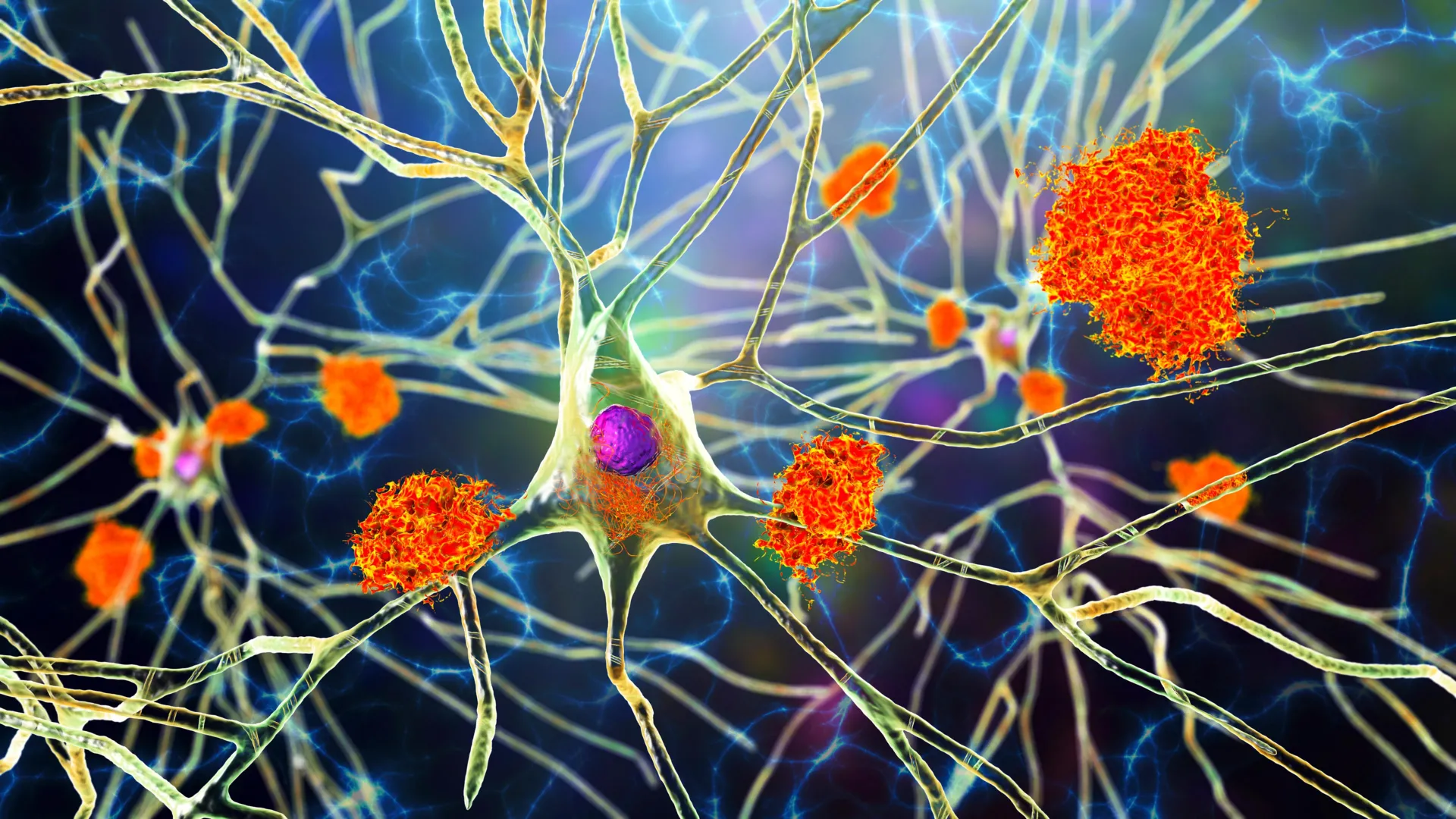
Researchers have identified a naturally occurring protein, SORLA, that appears to play a protective role against the hallmark brain changes of Alzheimer’s disease, offering a potential new avenue for therapy development.
In laboratory studies, increasing the levels of SORLA led to a marked decline in the formation of toxic tau tangles, the twisted protein aggregates that disrupt neuronal communication and are closely linked to cognitive decline. The experimental boost also preserved the integrity of synaptic connections, the points where brain cells exchange signals.
The work builds on a growing body of evidence that proteins involved in intracellular trafficking can influence the accumulation of tau. By enhancing SORLA activity, the scientists were able to redirect tau away from the pathways that lead to aggregation, thereby reducing the cellular stress that underlies neurodegeneration.
While the experiments were conducted in controlled settings—using cell cultures and animal models that replicate key aspects of human Alzheimer’s—the findings underscore a mechanistic link that could be exploited in drug design. Therapeutic strategies might aim to increase SORLA expression or mimic its function, potentially slowing or preventing the progression of tau‑driven pathology.
The discovery arrives at a time when the field is seeking alternatives to amyloid‑focused treatments, which have yielded mixed results in clinical trials. Targeting tau directly, and now a regulator of tau handling, could complement existing approaches and broaden the therapeutic toolkit.
Future steps will involve translating these pre‑clinical observations into human studies. Researchers will need to determine whether pharmacological agents can safely up‑regulate SORLA in the brain and whether such modulation produces meaningful clinical benefits for patients with early‑stage Alzheimer’s.
If successful, SORLA‑based interventions could represent a shift toward harnessing the brain’s own protective mechanisms, offering hope for a disease that currently lacks curative options.


Comments (0)
Be the first to comment.
Join the discussion