Bee‑derived propolis extract amplifies antifungal drug efficacy against yeast in lab study
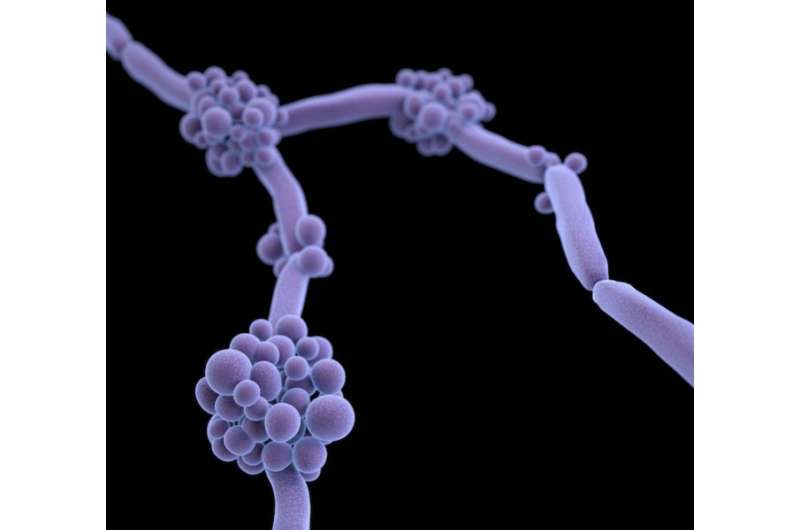
Researchers in Poland have shown that an ethanolic extract of propolis – the resinous material collected by honeybees – can boost the activity of a common antifungal medication when tested against yeast pathogens in the laboratory.
The study focused on the interaction between the propolis extract and several antifungal agents used to treat infections caused by yeasts such as Candida species. While propolis has long been recognised for its antimicrobial properties, the new work demonstrates that it can act synergistically with pharmaceutical drugs, enhancing their ability to inhibit fungal growth.
In vitro experiments revealed that when the propolis extract was combined with the antifungal drug, the minimum concentration needed to suppress yeast proliferation dropped noticeably compared with the drug alone. The researchers described the effect as a “significant synergistic interaction,” suggesting that the natural compound may help lower the dosage required for effective treatment.
Propolis, a complex mixture of plant resins, waxes and bioactive compounds, has been used in traditional medicine for centuries. Its antimicrobial activity is attributed to flavonoids, phenolic acids and other constituents that can disrupt microbial cell walls and interfere with metabolic pathways. By pairing these mechanisms with the mode of action of modern antifungals, the extract appears to create a multi‑pronged assault on the pathogen.
The findings arrive at a time when antifungal resistance is becoming a growing clinical concern. Infections caused by drug‑resistant Candida strains can be difficult to manage, especially in immunocompromised patients. Any strategy that can restore or amplify the potency of existing drugs is therefore of interest to clinicians and drug developers.
Although the results are promising, the authors caution that the work remains at the laboratory stage. Further studies are needed to confirm safety, optimal dosing and efficacy in animal models and eventually in human trials. The complex composition of propolis also poses challenges for standardisation, as its chemical profile can vary depending on geographic origin and botanical sources.
If future research validates these early observations, propolis‑based adjuvants could become a low‑cost, natural complement to conventional antifungal therapy. Such an approach would align with broader efforts to integrate phytochemicals into modern medicine while reducing reliance on higher drug dosages that may carry side effects.
For now, the study adds to a growing body of evidence that bee‑derived substances hold untapped potential in the fight against infectious diseases, and it underscores the importance of exploring natural products as partners to existing pharmaceuticals.


Comments (0)
Be the first to comment.
Join the discussion