Ash plume from Anak Krakatau forces airport closures and thousands of flight cancellations
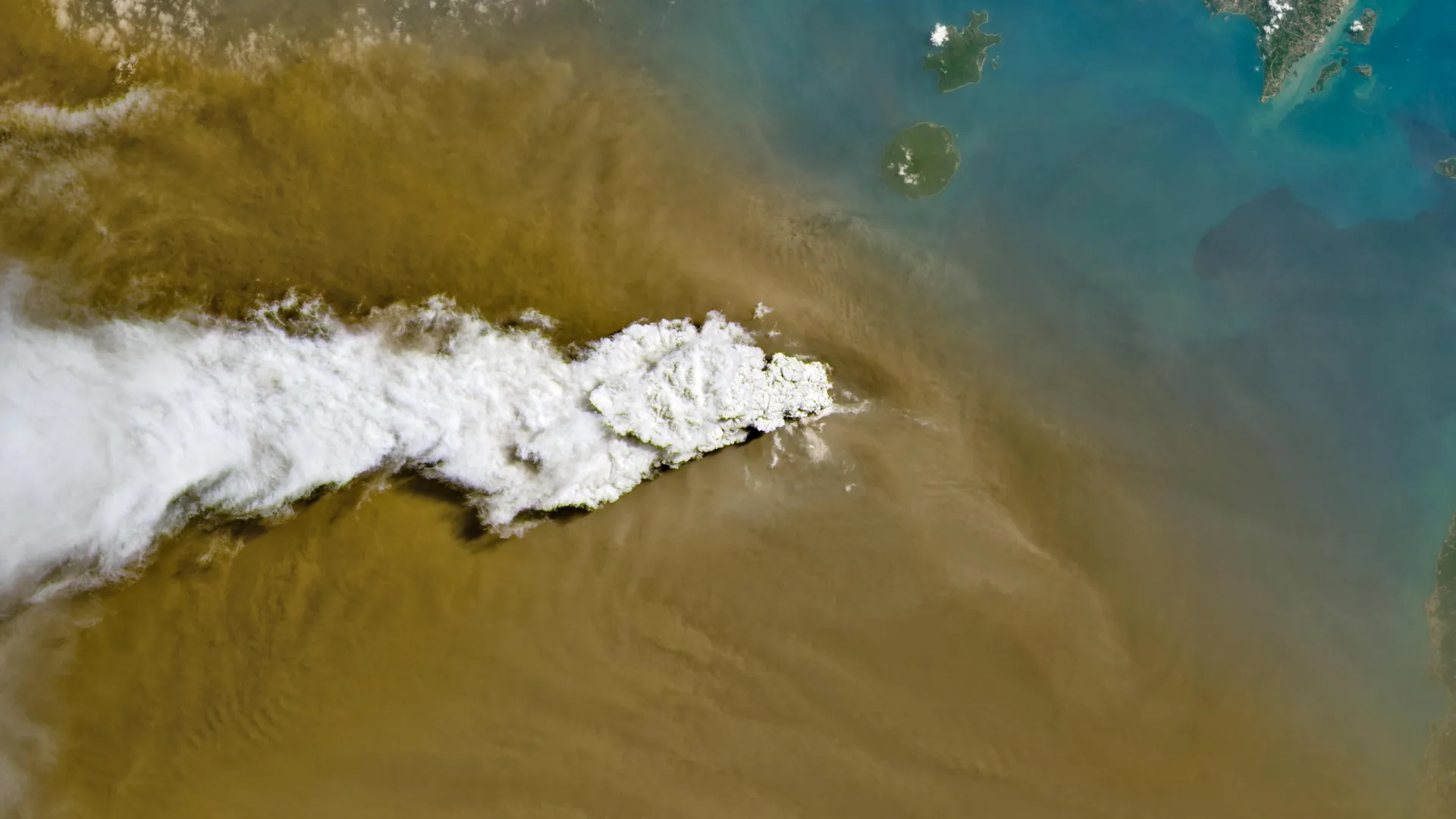
Anak Krakatau erupted for more than a full day in early September, sending a towering column of volcanic ash nearly 50,000 feet (about ten miles) into the atmosphere. The sudden surge of material forced the shutdown of eight Indonesian airports and led to the cancellation or delay of roughly 3,000 scheduled flights across the region.
Located in the Sunda Strait between Java and Sumatra, Anak Krakatau is the youngest vent of the historic Krakatoa complex that famously exploded in 1883. Since emerging from the sea in 1927, the volcano has been closely watched for its frequent, often explosive activity, which can produce ash clouds that travel great distances and pose hazards to both communities and air traffic.
The ash plume quickly spread over the densely populated western Java corridor, prompting authorities in Jakarta to issue air‑quality advisories as fine particles were detected far from the eruption site. Eight airports, including major hubs serving the capital, were temporarily closed to prevent ash ingestion in aircraft engines, a known cause of engine failure. The disruption rippled through regional airline schedules, affecting travelers and cargo operations alike.
NASA’s Earth‑observing satellites captured the plume in real time, highlighting the rapid vertical rise and horizontal spread of the ash. Satellite imagery showed the cloud drifting southeastward, intersecting major flight paths and confirming the need for immediate aviation alerts. Such space‑based monitoring is a critical tool for volcanic crisis management, allowing agencies to issue timely warnings even when ground observations are limited.
Indonesia’s volcanic monitoring agency has kept the volcano under heightened observation, noting that the eruption has entered a waning phase but that future activity cannot be ruled out. Officials continue to advise pilots to avoid the affected airspace and have urged residents in nearby districts to stay prepared for possible ash fall. The event underscores the ongoing challenges of balancing volcanic risk with the region’s heavy air‑traffic demands.


Comments (0)
Be the first to comment.
Join the discussion