Army launches drive to enlist roughly 100 drone operators for domestic defense push
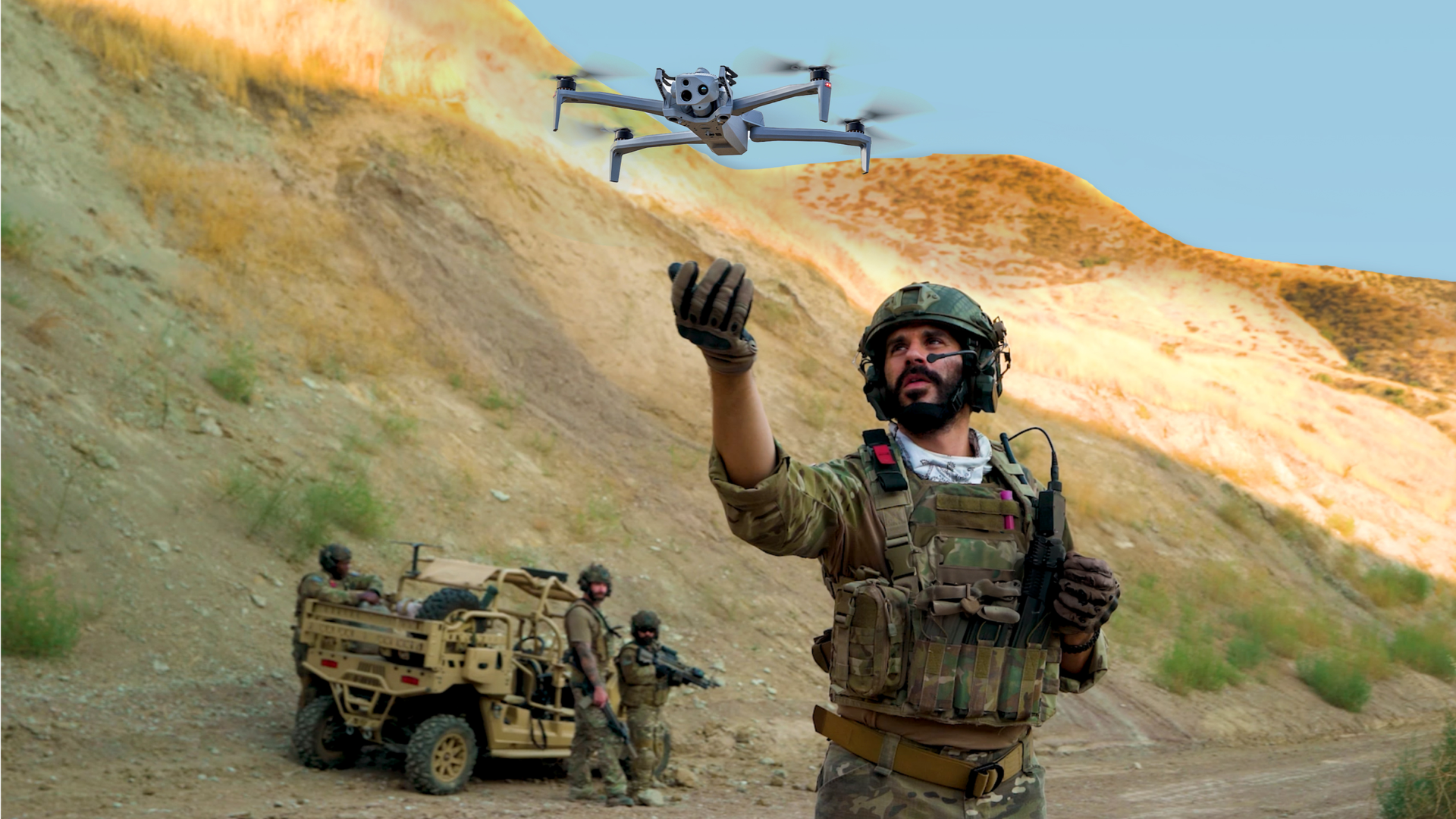
The U.S. Army has opened a recruitment campaign to add about one hundred new drone operators to its ranks, a move tied to the Gauntlet III initiative aimed at bolstering homeland security capabilities.
Unlike many specialty programs, the Army says the slots are open to any enlisted or officer‑level service member, regardless of prior experience with unmanned aerial systems. Candidates will receive comprehensive training that covers both basic piloting and advanced mission planning, allowing the force to expand its pool of qualified operators quickly.
The effort is part of a larger $1.1 billion investment earmarked for the Pentagon’s drone modernization agenda. That funding supports not only personnel recruitment but also the acquisition of new platforms, sensor packages, and the development of tactics that integrate unmanned assets with conventional forces.
Unmanned aircraft have become a staple of U.S. defense strategy, providing persistent surveillance, rapid response to emerging threats, and a cost‑effective means of gathering intelligence. As domestic incidents—from natural disasters to unauthorized aerial incursions—grow in complexity, the Army is seeking to embed these capabilities more firmly within its domestic operations.
Gauntlet III builds on earlier testing phases that evaluated how small, agile drones can be fielded alongside ground troops. The latest iteration emphasizes real‑world experimentation, seeking input from operators on everything from flight endurance to data‑link security, with the goal of shaping the next generation of Army UAV doctrine.
For service members, the program offers a pathway into a rapidly expanding field of military technology. Participants can expect to gain hands‑on experience with cutting‑edge systems, potentially opening doors to future assignments in cyber, intelligence, or joint‑service drone units.
Interested personnel can sign up through their chain of command or via the Army’s internal recruitment portal, where a brief questionnaire determines eligibility and schedules introductory briefings. The Army has indicated that the selection process will be rolling, with training cycles beginning as soon as groups of candidates are assembled.
Analysts view the recruitment drive as a signal that the Army intends to keep unmanned capabilities at the forefront of its domestic defense posture. If the pilot pool expands as planned, the service could accelerate the deployment of drone‑based solutions for border surveillance, emergency response, and counter‑UAS operations, further integrating these tools into everyday military readiness.



Comments (0)
Be the first to comment.
Join the discussion