Apple's Lockdown Mode: Balancing Extreme Security and Everyday Use
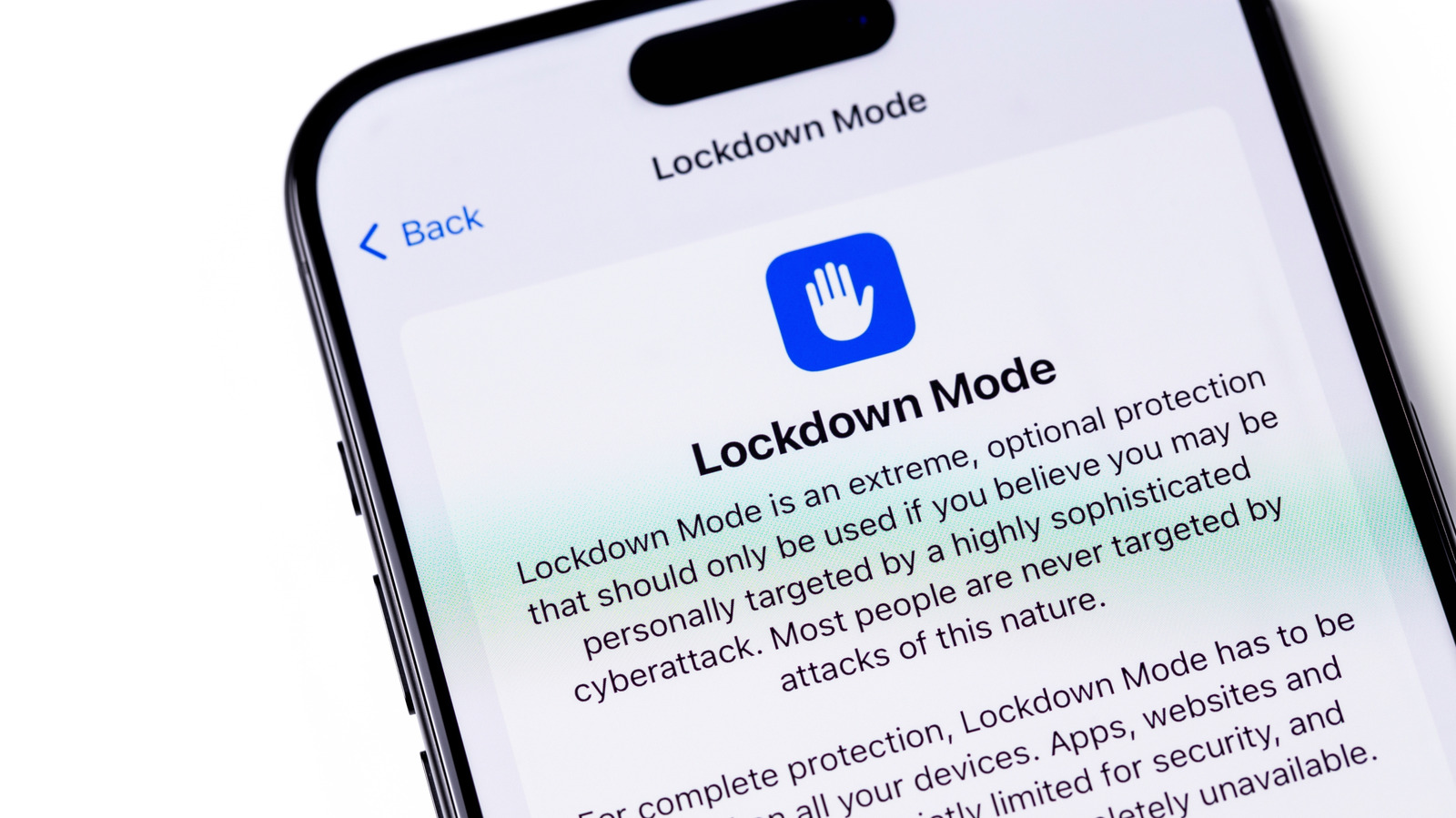
Apple rolled out Lockdown Mode as part of iOS 16, positioning it as a high‑security option for users who may be targeted by sophisticated cyber‑espionage. The setting tightens a wide array of system functions, aiming to close the doors that have been exploited in recent high‑profile spyware attacks.
When turned on, the feature blocks several common interactions: most message attachments are disallowed, FaceTime calls from unknown numbers are silenced, and email links that could trigger zero‑click exploits are ignored. Safari also runs with limited JavaScript, and group‑call invitations are filtered out.
The tool is explicitly aimed at people who face elevated risk—journalists covering sensitive topics, human‑rights activists, corporate leaders, and others who may be singled out by nation‑state or criminal actors. Apple cites documented cases where vulnerabilities in iMessage or Bluetooth were weaponized to gain persistent access to a device.
For the typical consumer, however, the restrictions can feel cumbersome. The same safeguards that stop malicious code also impede routine tasks such as receiving photos from friends, joining video conferences, or browsing certain sites. Apple notes that the mode is not intended as a default setting for most users.
Industry commentators warn that an “all‑or‑nothing” approach may create a false sense of protection. Enabling Lockdown Mode does not replace fundamental security habits like applying updates promptly, using strong passwords, or staying vigilant against phishing and social‑engineering schemes that bypass technical defenses.
Apple allows the mode to be toggled on or off at any time, underscoring its role as an optional layer rather than a permanent configuration. The introduction of such a robust, built‑in privacy tool reflects a growing trend among major platforms to offer advanced defenses. Whether future updates will make extreme safeguards a standard offering or keep them as a niche feature for high‑risk users remains an open question.


Comments (0)
Be the first to comment.
Join the discussion