Apple’s 2026 MacBook Pro Promises Major Battery Gains Over 2011 Model, But How Much Has It Really Changed?
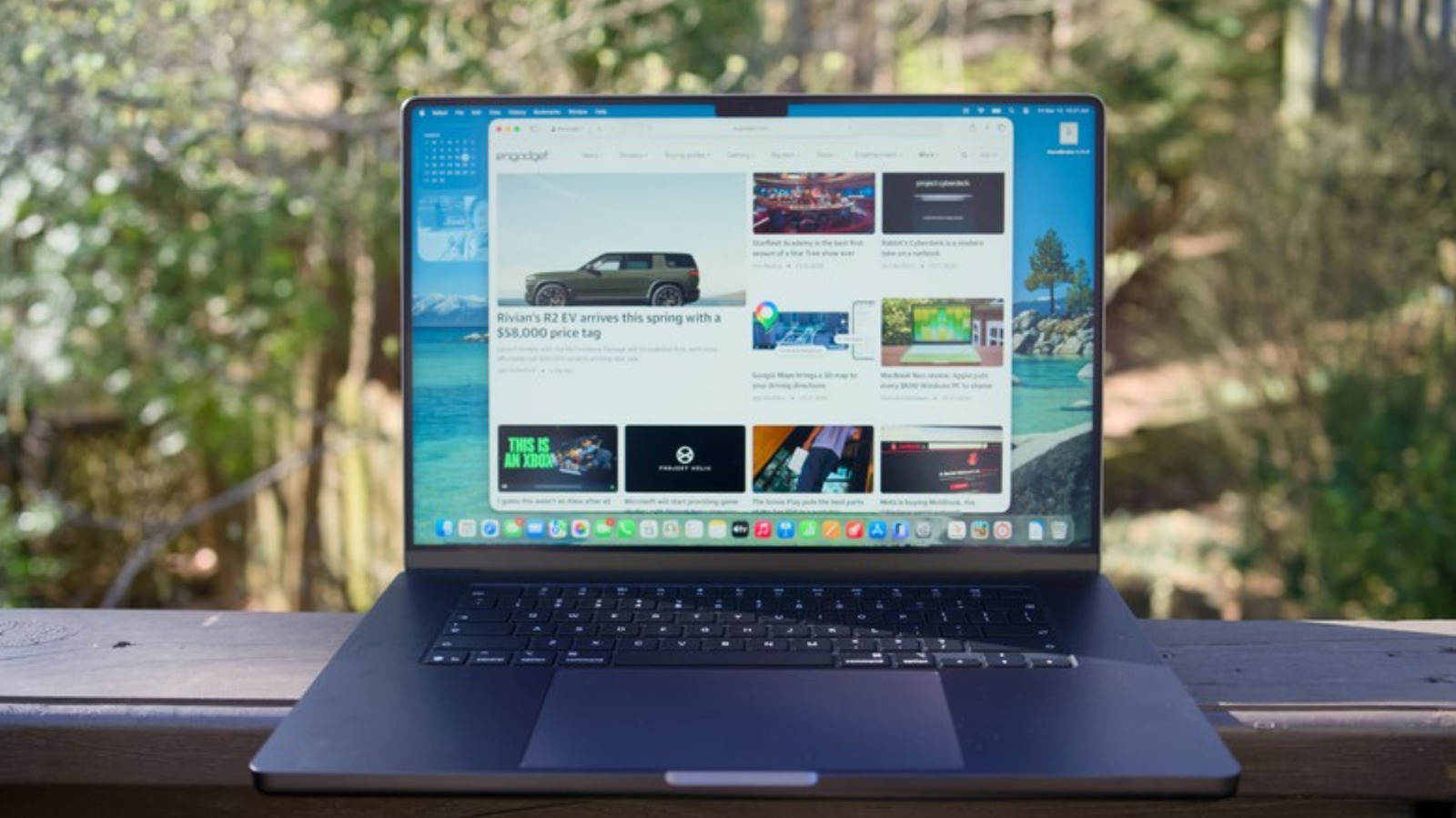
Apple’s latest 2026 MacBook Pro arrives with a dramatic leap in processing power, graphics capability, and overall design, positioning it as a flagship for professionals and creators alike. While reviewers have praised the machine’s speed and efficiency, the question on many users' minds is whether the battery life has kept pace with the hardware upgrades that have taken place over the past 15 years.
The 2011 MacBook Pro, which debuted with Intel’s first-generation Core i5 and i7 CPUs, typically delivered five to seven hours of mixed‑use battery life—a respectable figure at the time but often a limiting factor for mobile workflows. In contrast, Apple’s 2026 edition is marketed as offering “all‑day” endurance, with the company citing usage scenarios that extend well beyond the earlier model’s limits. The exact runtime varies with configuration and workload, but the company’s specifications suggest a noticeable increase in hours of unplugged operation.
Several factors contribute to the newer model’s extended battery performance. Apple has shifted to its own silicon, integrating CPU, GPU, and neural engines onto a single chip that delivers higher performance per watt. This efficiency, combined with advances in battery chemistry and a larger physical cell, allows the laptop to sustain demanding tasks—such as video rendering or AI‑assisted design—while drawing less power than its Intel‑based predecessor. Additionally, macOS optimizations for power management have become more sophisticated, dynamically throttling resources when full performance is unnecessary.
Industry analysts caution, however, that headline battery numbers can be optimistic. Real‑world testing often reveals that intensive applications quickly drain even the most efficient cells, and the 2026 Pro’s high‑resolution display, faster SSD, and additional ports can all increase consumption. Still, for typical office work, web browsing, and media playback, users can expect a substantial improvement over the 2011 experience, often completing a full workday without needing to recharge.
Looking ahead, Apple’s focus on tighter hardware‑software integration suggests that future MacBook iterations will continue to push battery life upward, even as processing demands rise. For now, the 2026 MacBook Pro stands as a clear step forward, offering professionals a device that not only runs faster but also stays powered longer, addressing a long‑standing pain point for mobile creators who relied on the 2011 model’s limited endurance.

Comments (0)
Be the first to comment.
Join the discussion