Apple Makes iPhone the Core Controller for New HomeView Smart‑Home Platform
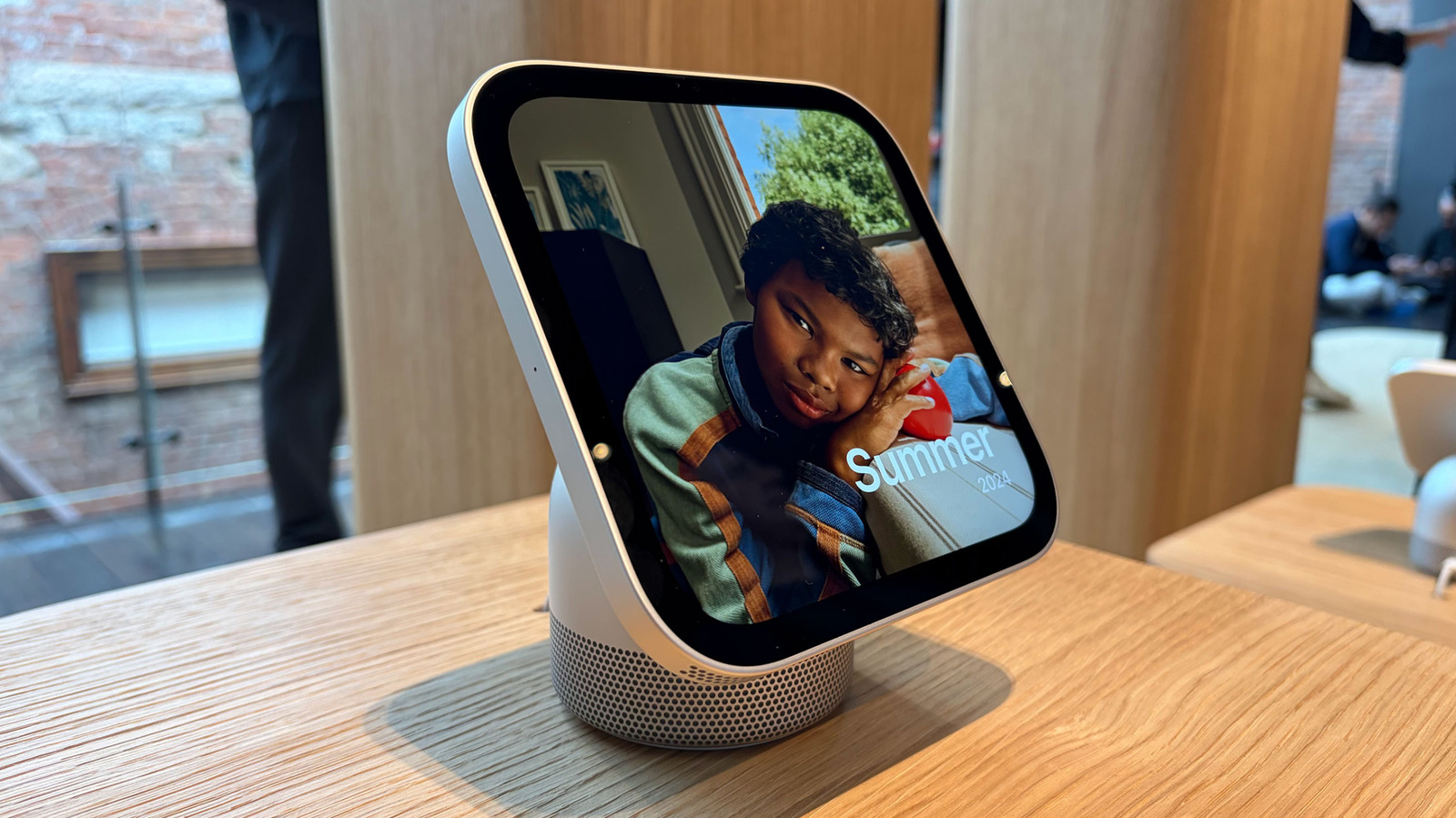
Apple's latest smart‑home offering, HomeView, places the iPhone at the heart of both personal and shared household control, turning the phone into the single gateway for configuring lights, thermostats, cameras and other connected devices.
HomeView is presented as a unified interface that aggregates every HomeKit‑compatible accessory into a single view, but instead of relying on a dedicated hub, it taps into the iPhone's existing hardware and software stack. By routing all commands through the phone, Apple sidesteps the need for an extra piece of equipment and leverages the device most users already carry.
The decision aligns with Apple's broader strategy of using its flagship device as a central node for services. The iPhone already stores encrypted user credentials, biometric authentication and location data, which HomeView can draw upon to personalize scenes, automate routines and enforce privacy safeguards without requiring additional logins or separate hardware.
Beyond individual convenience, HomeView is built to support communal usage. Family members can be invited to share access to the same HomeView dashboard, allowing each person to adjust settings from their own iPhone while maintaining a consistent view of the home’s status. This shared model eliminates the confusion of multiple control panels and ensures that changes made by one member instantly propagate to everyone else’s device.
Relying exclusively on the iPhone, however, raises questions about accessibility for households that do not use Apple devices. Critics note that the approach may deepen the lock‑in effect of the Apple ecosystem, potentially limiting adoption among Android users or those who prefer a vendor‑agnostic hub. At the same time, the integration promises tighter security and a smoother user experience for existing iPhone owners.
Looking ahead, analysts expect Apple to expand HomeView's capabilities through software updates and possibly broaden support to other Apple hardware, such as iPads or Apple Watch, while keeping the iPhone as the primary control point. The move underscores how Apple continues to weave its services tightly around its most popular product, a tactic that could shape the competitive landscape of smart‑home platforms for years to come.



Comments (0)
Be the first to comment.
Join the discussion