Apple May Award Former CEO Tim Cook Higher Compensation Than Prospective CEO John Ternus by 2027
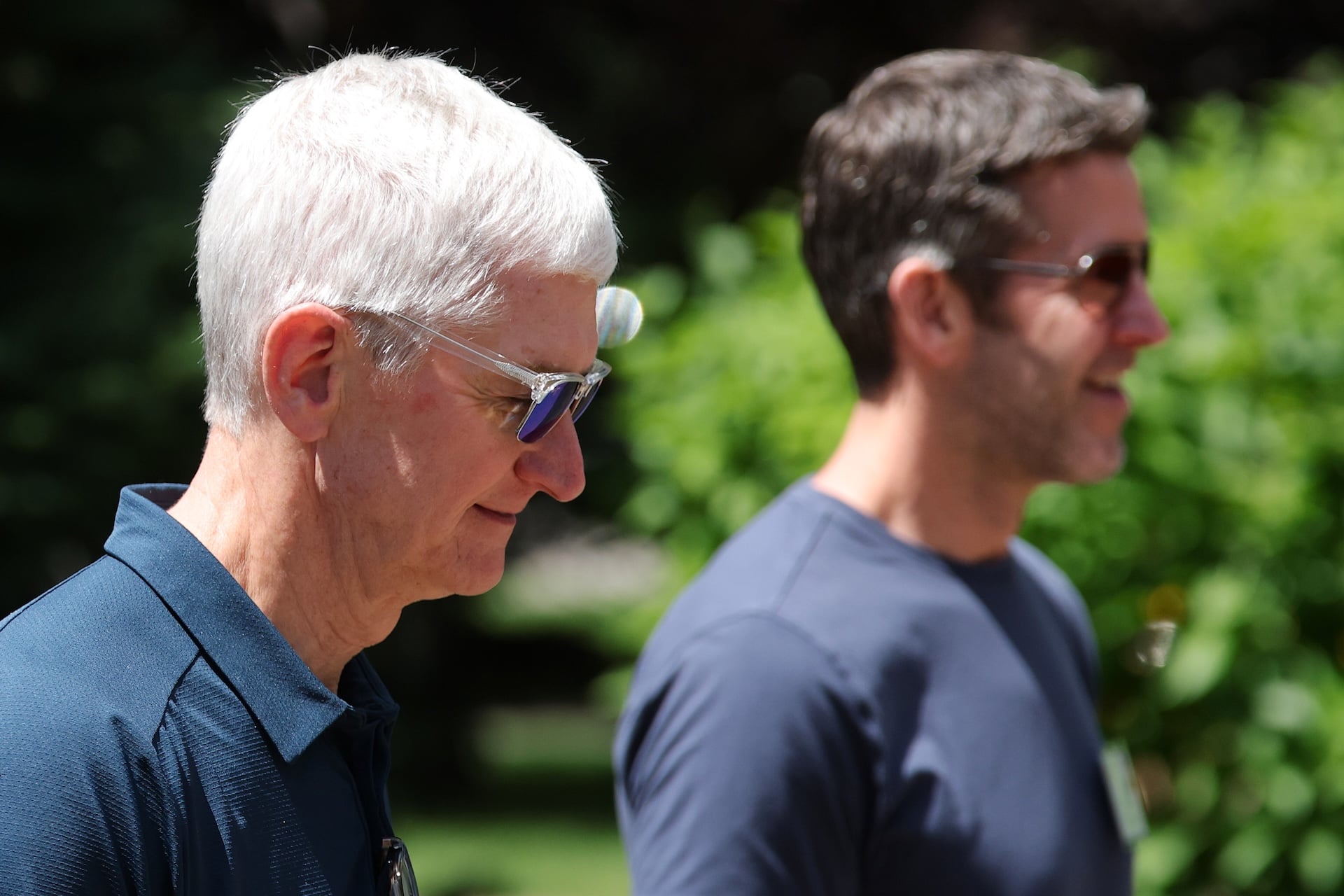
According to a report cited by Gizmodo, Apple is evaluating executive compensation packages that could result in former chief executive Tim Cook receiving a larger total award than the company’s likely next chief executive, hardware chief John Ternus, for the 2027 fiscal year.
The analysis, which draws on filings and internal compensation modeling, suggests that Apple’s board may continue to reward Cook’s long tenure and post‑retirement contributions with a combination of cash, equity and performance‑based incentives that exceed the projected package for Ternus, who is widely discussed as a potential successor to current CEO Tim Cook.
Apple has a history of structuring top‑executive pay around multi‑year performance targets tied to stock price growth, earnings per share and strategic milestones. In recent years, Cook’s compensation has been anchored by large restricted‑stock units that vest over several years, a model that could be extended into his post‑CEO phase. The report indicates that the board is considering similar or even more generous equity grants for Cook, reflecting his role in guiding the company through a period of unprecedented market valuation.
John Ternus, who currently oversees hardware engineering for the iPhone, Mac and other product lines, has been the focus of succession speculation since early 2024. While he has not been formally named as a candidate, analysts note that his technical pedigree and leadership of key product cycles position him as a logical heir. The projected compensation for Ternus, however, appears to be calibrated to a more conventional senior‑executive package, with a base salary and stock awards that align with peers at other technology firms.
Industry observers say the disparity, if confirmed, would underscore Apple’s broader approach to retaining senior talent beyond the tenure of a chief executive. By offering Cook a robust post‑service remuneration, the board may be signaling that the company values continuity and the strategic guidance of its former leader, especially as it navigates challenges such as supply‑chain volatility, regulatory scrutiny and the transition to new product categories.
Critics of executive pay argue that large discrepancies can fuel shareholder discontent, particularly when the company posts record earnings and cash reserves. Apple’s shareholders have historically supported the board’s compensation decisions, citing the alignment of executive incentives with shareholder returns. Nonetheless, the prospect of a former CEO earning more than an incoming chief could become a talking point in proxy battles or at the annual meeting.
Looking ahead, the final compensation figures will depend on Apple’s performance through the 2027 fiscal year and on any adjustments the board makes in response to market conditions or internal strategic shifts. If Ternus is eventually appointed CEO, his package could be revisited to ensure competitive parity with peers and to reflect the heightened responsibilities of the role.
For now, the report highlights the complexities of executive compensation planning at one of the world’s most valuable companies, where legacy, performance expectations and succession dynamics intersect in the boardroom.



Comments (0)
Be the first to comment.
Join the discussion