Anthropic Poised to Gain Ground as OpenAI’s Latest Model Draws Criticism
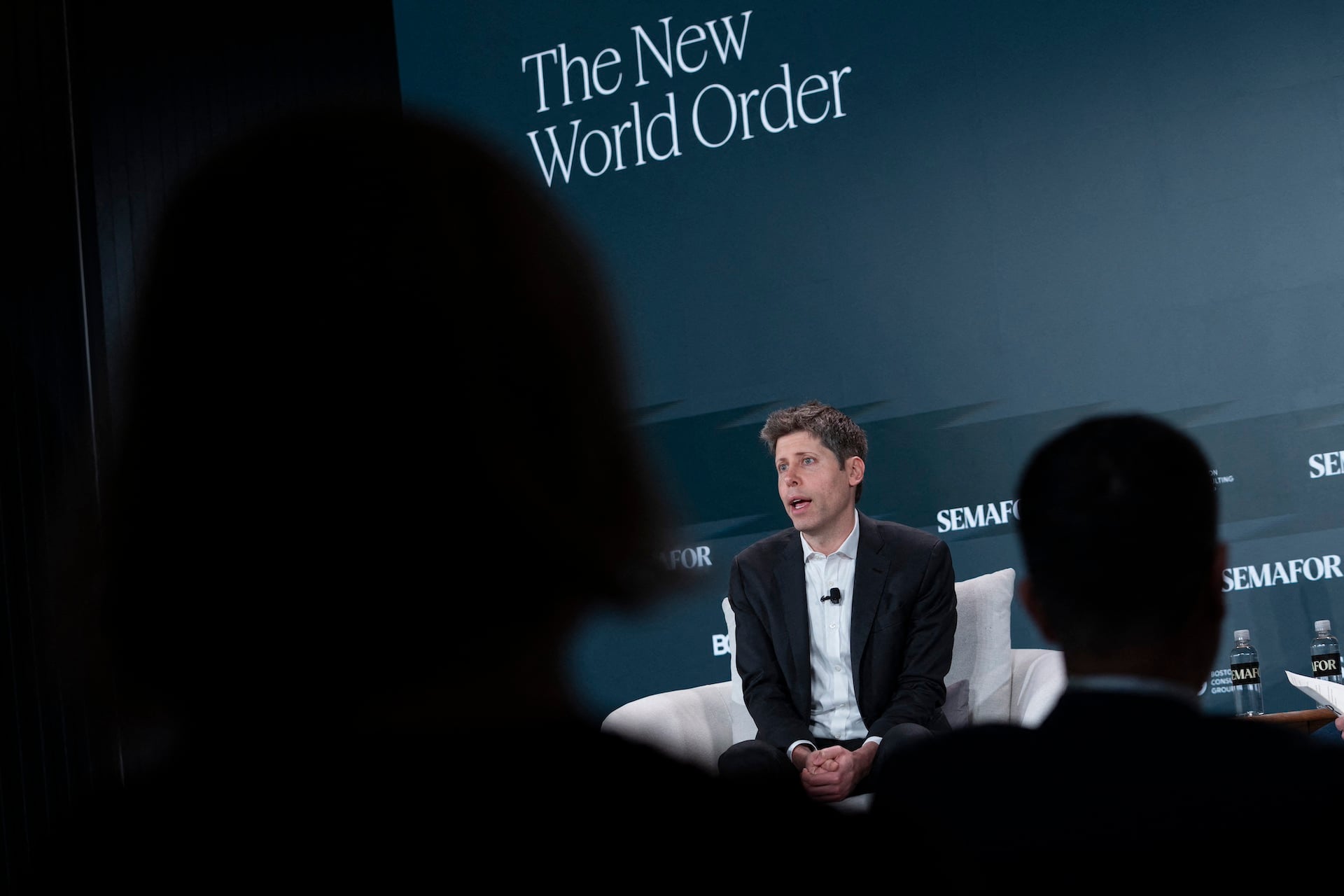
OpenAI announced the rollout of its latest language model on Tuesday, positioning it as a step forward in both capability and efficiency. The new version builds on the architecture of its predecessor while promising faster response times and lower compute costs for enterprise customers. The release comes amid a crowded field of AI providers, each vying to capture the growing demand for conversational agents, code assistants, and content‑generation tools.
Almost immediately, a chorus of AI commentators voiced disappointment, arguing that the update falls short of the hype generated by earlier announcements. Critics highlighted perceived gaps in multilingual support, limited accessibility for smaller developers, and a pricing structure that could widen the gap between large corporations and independent creators. The feedback, shared across social platforms and industry newsletters, suggests that the model’s incremental improvements may not satisfy a community eager for more radical breakthroughs.
In that context, Anthropic, the San Francisco‑based startup founded by former OpenAI researchers, is being positioned as a possible beneficiary. Anthropic’s own series of language models, praised for their safety‑focused design and transparent documentation, have attracted attention from firms wary of the new OpenAI terms. The company’s recent fundraising round and expanding API ecosystem have already lowered barriers for developers, making it a plausible alternative for those seeking a more open partnership.
The competitive dynamic underscores a broader shift in the AI landscape, where differentiation increasingly hinges on factors beyond raw performance. Transparency, alignment with ethical guidelines, and flexible pricing are becoming decisive criteria for adoption. OpenAI’s track record of rapid iteration has set high expectations, but the current response indicates that the market is fragmenting, with niche players like Anthropic carving out specialized niches.
For developers and businesses evaluating their AI stack, the situation creates a short window to reassess integration strategies. Companies that have already embedded OpenAI’s APIs may weigh the cost of migration against the potential benefits of Anthropic’s safety guarantees. Meanwhile, venture capitalists monitoring the sector are likely to watch user migration patterns as an indicator of long‑term viability for both firms.
Looking ahead, OpenAI has signaled that further refinements are in the pipeline, while Anthropic continues to expand its model lineup and partnership programs. The next few months could see a realignment of developer loyalty, especially if Anthropic’s offerings prove both affordable and reliable. Industry observers will be watching closely to see whether the current dissatisfaction translates into a measurable shift in market share, or if OpenAI’s brand dominance ultimately reasserts itself.



Comments (0)
Be the first to comment.
Join the discussion