Ancient Microscopic Points Suggest Arrow‑Like Hunting 80,000 Years Ago
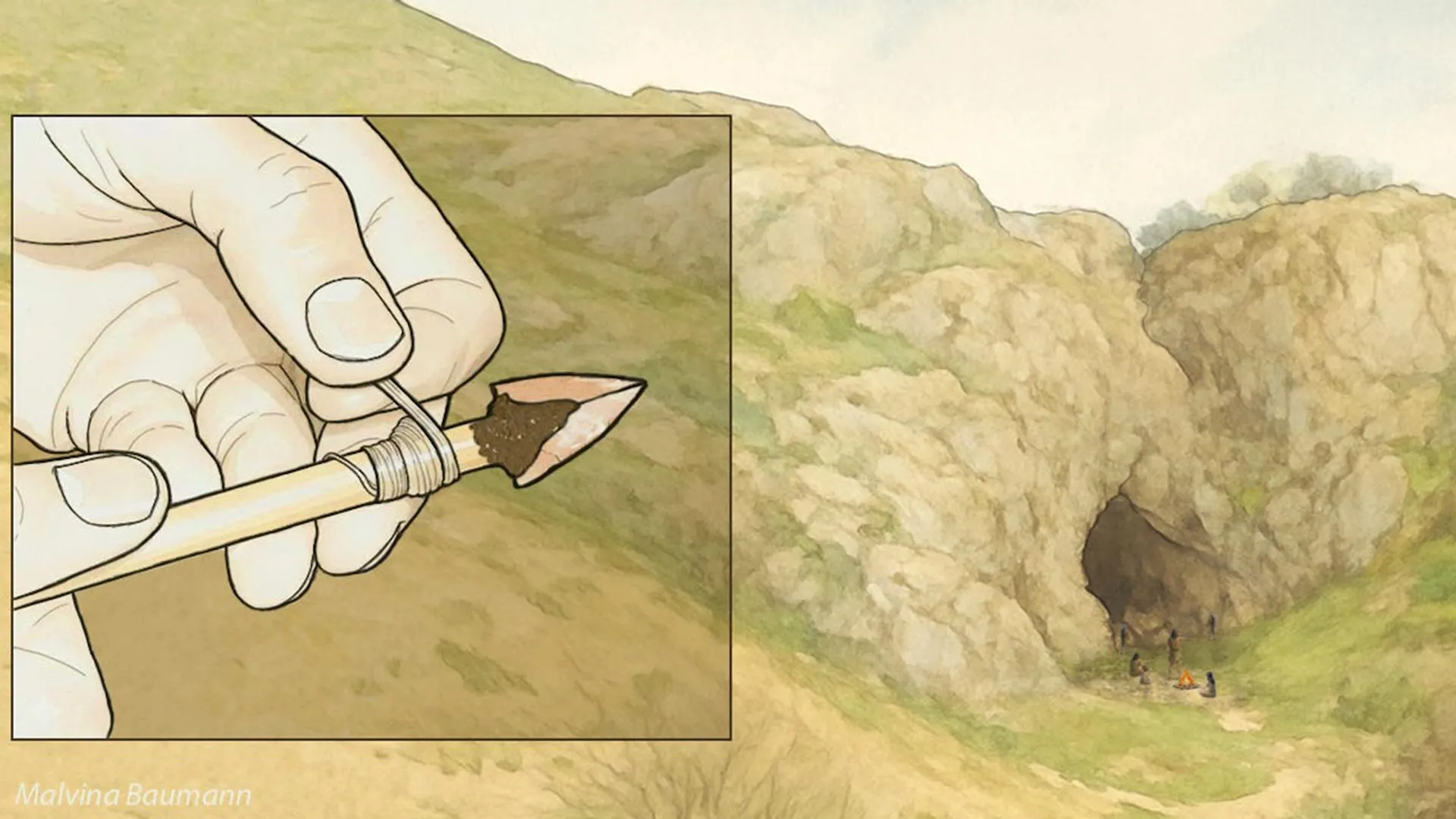
Archaeologists working in the Kyzylkum Desert of Uzbekistan have uncovered a set of minute stone projectile points that date back roughly 80,000 years, a find that could push the origins of arrow‑type weaponry much earlier than previously documented.
The artifacts, measuring just a few millimeters across, were recovered from a sediment layer associated with Middle Paleolithic stone tools. Microscopic analysis revealed a symmetrical, leaf‑shaped profile and a finely retouched edge, features that closely parallel later Upper Paleolithic arrowheads discovered at sites such as the La Madeleine complex in France. Laboratory tests also showed that when struck against a soft target, the points produced puncture marks consistent with high‑velocity impact, suggesting they were intended to be launched from a shaft.
Until now, the consensus among scholars has been that true arrows—projectiles launched from a flexible bow—did not appear until around 20,000 to 30,000 years ago, coinciding with the spread of anatomically modern humans across Europe and Asia. The Uzbek discovery challenges that timeline, implying that some hominin groups possessed the technical knowledge to fashion and use aerodynamic points far earlier, possibly even before the arrival of Homo sapiens in the region.
Researchers caution that the points may have been employed with a simple spear‑throwing device rather than a fully developed bow, but the precision of the workmanship and the pattern of wear indicate a level of intentionality comparable to later arrow technology. If the points were indeed part of a bow‑and‑arrow system, it would suggest a parallel evolution of hunting tools among distinct hominin populations, potentially including Neanderthals or other archaic humans who inhabited Central Asia at the time.
The find adds to a growing body of evidence that prehistoric peoples were more technologically versatile than traditional models assume. It also raises questions about the diffusion of hunting innovations across vast distances and cultural groups. Future excavations in the region aim to locate additional contexts—such as hafting residues or associated bow fragments—that could confirm how these tiny implements were deployed. Until then, the Uzbek points stand as a provocative reminder that the story of human ingenuity is still being rewritten, one microscopic shard at a time.


Comments (0)
Be the first to comment.
Join the discussion