Ancient 'Hobbits' of Flores Island Reveal Dietary Secrets, Shedding Light on Hominin Evolution
New insights into the dietary practices of Homo floresiensis, the diminutive hominin species affectionately known as 'Hobbits,' are offering valuable clues about their evolutionary journey. Residing on the Indonesian island of Flores until approximately 60,000 years ago, these ancient cousins of modern humans navigated a unique ecosystem, and their eating habits are now providing a clearer picture of their survival strategies.
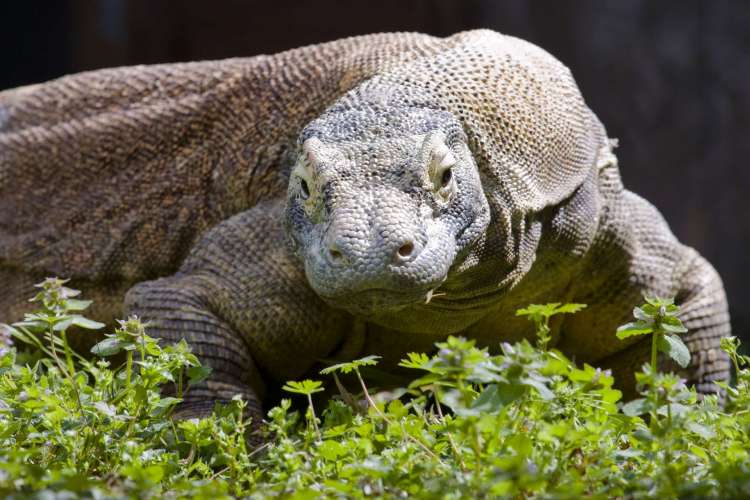
Flores was a land of remarkable fauna, including giant rats, formidable Komodo dragons, and a distinct species of pygmy elephant. This isolated environment fostered unique evolutionary paths, leading to phenomena like island dwarfism, which likely impacted the stature of both Homo floresiensis and the elephants they shared their habitat with.
Analysis of archaeological findings, particularly the co-occurrence of Homo floresiensis remains with those of pygmy elephants, strongly suggests a significant dietary connection. This evidence points to the possibility that these small hominins either actively hunted the smaller elephants or efficiently scavenged their carcasses. Such a dietary adaptation would have been crucial for their survival on an island with specific resource availability and predatory challenges.
The ability of Homo floresiensis to exploit such substantial, albeit dwarfed, prey resources highlights their resourcefulness and adaptability. Understanding their diet helps researchers piece together how this unique hominin lineage thrived for tens of thousands of years in a challenging environment. It underscores the diverse range of survival strategies adopted by early human relatives beyond the African continent.
These findings contribute significantly to the broader understanding of hominin evolution, particularly how different species adapted to varied ecological niches. The dietary flexibility implied by the elephant remains suggests a sophisticated understanding of their environment and the resources it offered, potentially indicating a level of cognitive ability and cooperative behavior necessary for such endeavors.
Further research into the specific types of elephant remains and their associated archaeological context could provide even more detailed information about hunting techniques, butchery practices, and the overall social structures of Homo floresiensis. Each new discovery from Flores continues to enrich our knowledge of the complex and diverse tapestry of human ancestry, revealing just how varied our ancient relatives truly were.



Comments (0)
Be the first to comment.
Join the discussion