Ancient DNA Re‑wiring Linked to Cephalopod Brain Power
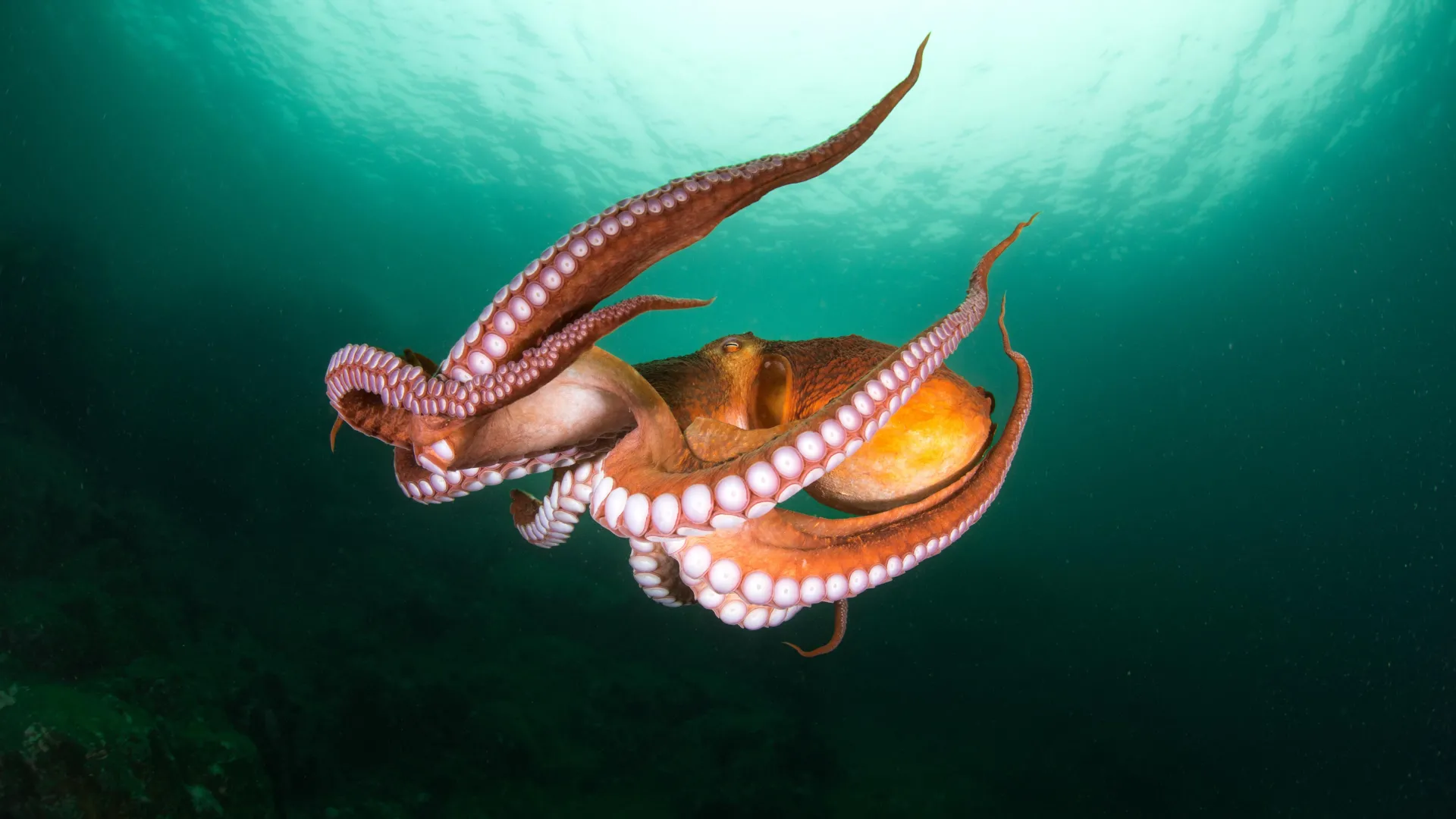
New research suggests that the sophisticated problem‑solving abilities of octopuses, squid and cuttlefish may stem from a deep‑time reshuffling of their genetic material that altered how genes interact within the cell nucleus.
The study examined the three‑dimensional architecture of cephalopod genomes, revealing that long‑range contacts between distant DNA segments were reorganized in a way that created novel regulatory links. These structural changes appear to have opened pathways for the emergence of neural complexity, providing a molecular foothold for the evolution of their renowned intelligence.
Cephalopods have long fascinated scientists with behaviors such as tool use, maze navigation and dynamic camouflage. While previous work highlighted the expansion of certain gene families, the current findings add a new layer by showing that the spatial arrangement of the genome itself can drive functional innovation. By comparing the chromatin folding patterns of cephalopods with those of less cognitively advanced mollusks, the researchers identified a distinctive pattern of gene‑pairing that coincides with the rise of larger brains and more intricate nervous systems.
According to the authors, the observed genome‑wide rewiring likely occurred hundreds of millions of years ago, predating the diversification of modern octopus and squid species. This ancient event may have set the stage for subsequent adaptive changes, allowing cephalopods to exploit new ecological niches and develop complex behaviors that rival those of vertebrates.
The discovery underscores the importance of three‑dimensional genome organization in evolutionary biology, a field that has traditionally focused on DNA sequence changes alone. It also opens avenues for further investigation into how chromatin dynamics influence neural development across animal lineages.
Future work will aim to pinpoint the exact genetic circuits affected by these structural alterations and to test whether similar mechanisms operate in other intelligent invertebrates. Understanding the genomic underpinnings of cephalopod cognition could eventually inform bio‑inspired technologies and shed light on the broader principles governing brain evolution.
While the findings are still early in the research pipeline, they provide a compelling hypothesis for why cephalopods stand out among mollusks. By linking ancient genome architecture shifts to modern behavioral sophistication, the study adds a fresh perspective to the ongoing quest to decode the biological roots of intelligence.


Comments (0)
Be the first to comment.
Join the discussion