AI Wine Guessing Test Highlights Limits of Machine Taste
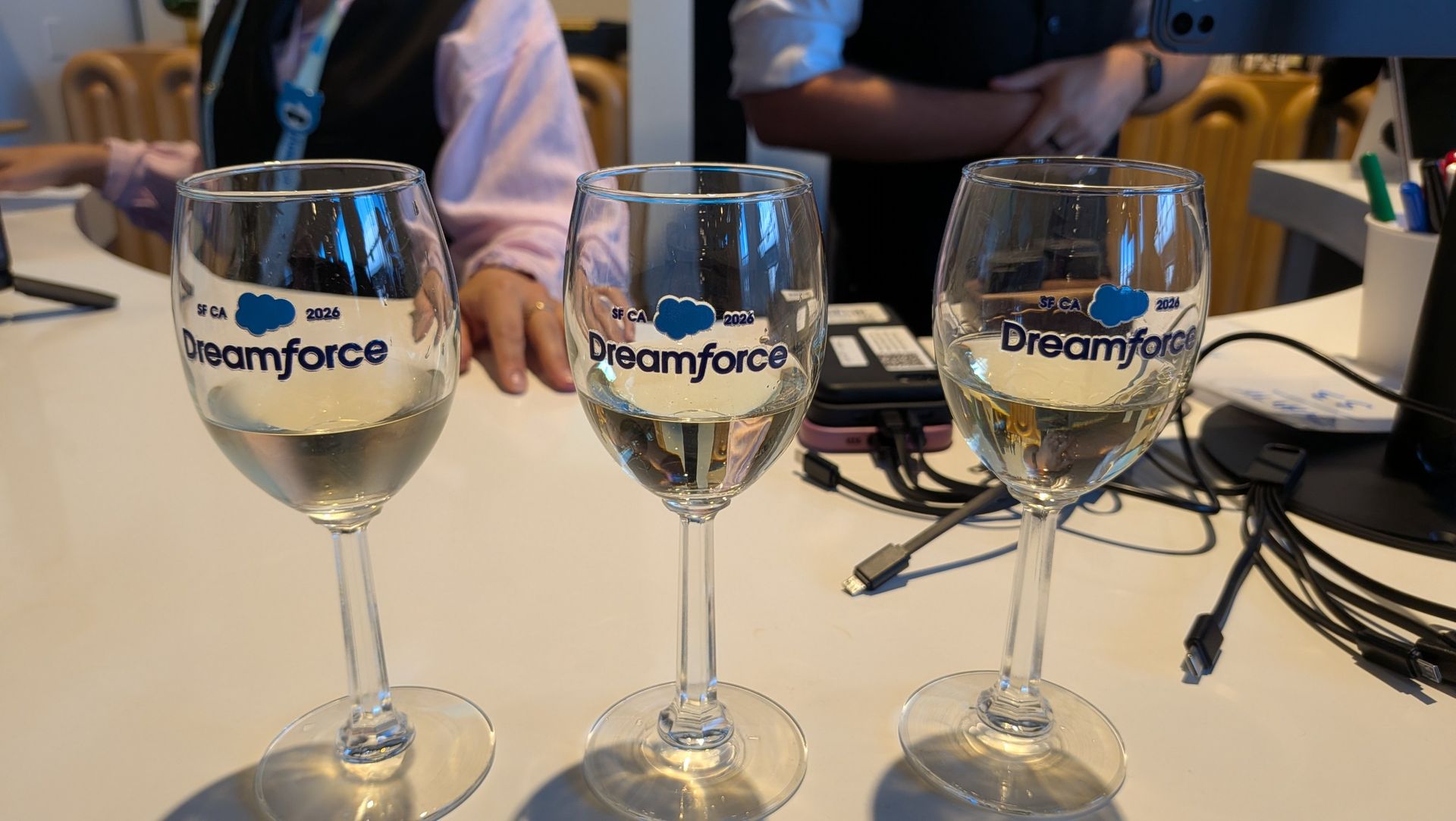
An artificial‑intelligence assistant was put to the test when a user described a glass of wine and asked the system to identify it. The algorithm offered a handful of possible varietals, but the match was only partially accurate, underscoring how even sophisticated models can stumble on nuanced sensory descriptions.
The episode arrives amid a broader surge of AI tools that automate routine decisions—from scheduling appointments to drafting news briefs. While many consumers welcome the efficiency, a growing segment still prefers the personal touch of human expertise, especially in areas that rely on subjective judgment.
Wine‑recommendation engines typically draw on massive datasets of tasting notes, vineyard information, and consumer reviews. By correlating descriptive keywords with known flavor profiles, they can suggest similar bottles or even predict a likely grape variety. However, the language used to describe aroma, mouthfeel, and finish is highly personal, and subtle regional variations can confound pattern‑matching algorithms.
In the recent trial, the user mentioned a “silky texture with hints of blackcurrant and a smoky finish.” The AI responded with suggestions that included a Cabernet Sauvignon from Napa, a Syrah from the Rhône, and a Merlot from Chile. While the Cabernet matched the fruit profile, the smoky note was more characteristic of the Syrah, leading the tester to label the overall result as mixed. The mismatch illustrates how current models may prioritize dominant descriptors while overlooking secondary nuances.
Experts say the outcome is a reminder that AI should complement, not replace, human sommeliers. Ongoing refinements—such as incorporating sensory training data and allowing users to calibrate descriptions—could narrow the gap. For now, the test serves as a practical illustration of both the promise and the present limits of machine‑driven taste identification, suggesting that the future of wine advice will likely remain a partnership between algorithms and seasoned palates.


Comments (0)
Be the first to comment.
Join the discussion