Amazon Introduces Ring‑Powered Home Security Drone, Raising Noise and Privacy Concerns
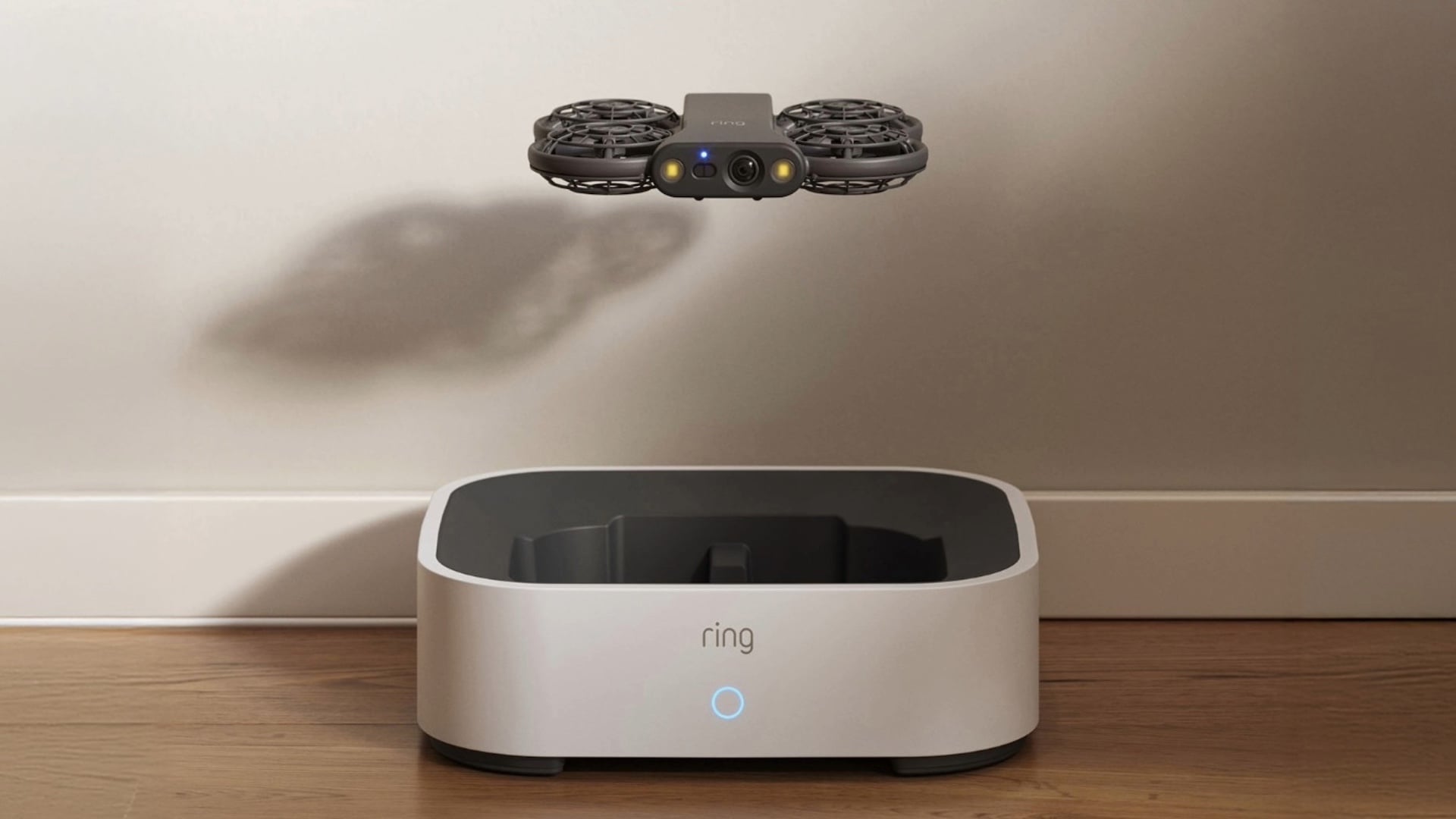
Amazon's Ring division unveiled a new consumer‑grade drone this week, positioning it as a mobile extension of the company's existing home‑security ecosystem. The device, a compact quadcopter equipped with a high‑definition camera, is designed to patrol a homeowner's property on demand and stream live video back to the Ring app.
The launch marks Ring's first foray beyond its traditional stationary products such as video doorbells and floodlights. According to the company, the drone can be summoned from a smartphone, fly a preset route around a yard, and automatically dock on a charging station when its battery runs low. Integration with Ring Alarm and the broader Amazon smart‑home platform is touted as a way to give users a “flying eye” that complements fixed cameras.
Critics argue that the concept clashes with the practical realities of most residential settings. The drone emits a high‑pitched buzzing sound that many early reviewers describe as intrusive, especially in quiet neighborhoods. More pressing, however, are safety worries: the moving propellers and unpredictable flight path could pose a hazard to pets, small children, or even garden wildlife that might not anticipate a flying object.
Privacy advocates have also sounded the alarm. A camera that can navigate a private yard without a fixed line of sight raises questions about data collection and inadvertent recording of neighboring properties. In the United States, the Federal Aviation Administration requires drones over 0.55 pounds to be registered and generally limits operations to visual line‑of‑sight, a rule that could restrict the autonomous patrol mode Ring promotes. Some states are already considering legislation that would further regulate indoor or low‑altitude surveillance devices.
Amazon has released limited technical details, but the prototype demonstrated at a recent developer conference weighed under a pound and featured a 1080p sensor with night‑vision capability. The company emphasizes end‑to‑end encryption for video streams and claims that footage is stored within the existing Ring subscription framework, subject to the same privacy controls that apply to its stationary cameras.
Market reception will likely hinge on how consumers balance novelty against the highlighted concerns. Early social‑media commentary reflects apprehension about pets being startled or injured, as well as skepticism about the practical need for a flying camera in everyday security. Industry analysts note that if regulatory barriers are cleared and pricing is competitive, the device could carve out a niche among tech‑savvy homeowners. Conversely, the novelty factor and potential legal hurdles may limit broader adoption, leaving the product in a narrow segment of the home‑security market.



Comments (0)
Be the first to comment.
Join the discussion