Alaska Landslide Sparks Record-Breaking Tsunami, Sending Water Up Mountain Slopes
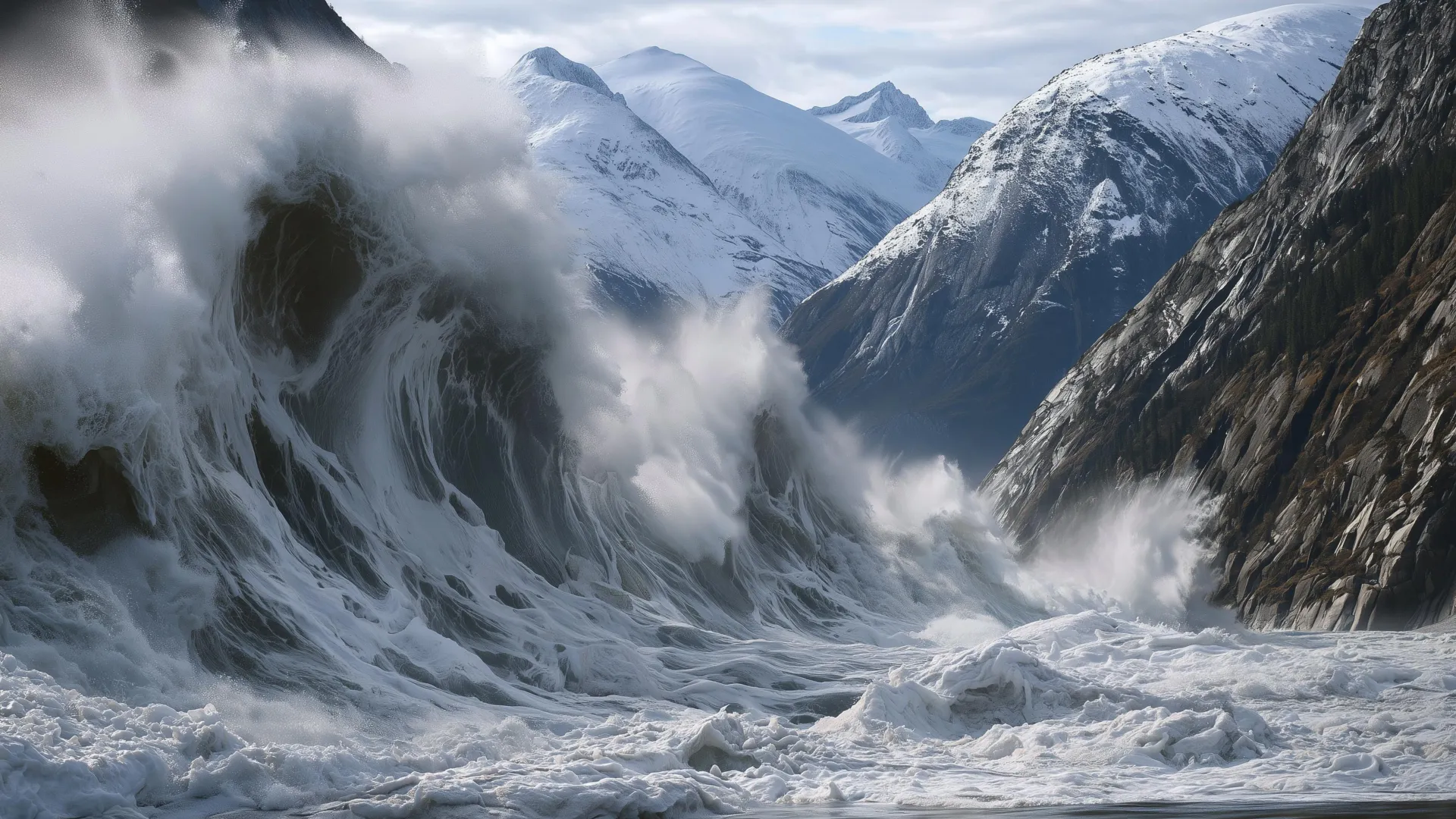
A massive landslide in Alaska has generated the second‑largest tsunami ever documented, propelling water and debris up a mountainside to a height of 1,580 feet. The surge occurred only a few hours after a group of tourists visited the remote area, underscoring the sudden danger such geological events can pose.
According to scientists monitoring the region, the landslide displaced an enormous volume of rock and ice into a nearby body of water, creating a wave that surged inland with unprecedented force. The resulting tsunami not only inundated the shoreline but also climbed the steep terrain, a phenomenon rarely observed in the historical record of coastal hazards.
Researchers reviewing satellite imagery and seismic data say the disaster was preceded by a series of warning signs, including unusually rapid ground movement and increased tremor activity in the weeks leading up to the event. While these indicators were noted by experts, the remote location and limited on‑site instrumentation meant that the full scale of the impending slide was not communicated to the public in time.
The incident has reignited discussion among geologists and emergency planners about improving early‑warning systems for landslide‑generated tsunamis, especially in sparsely populated regions of Alaska where tourism and local communities coexist with active terrain. Existing tsunami alerts are primarily designed for seismic triggers, and the Alaska scenario highlights the need for broader monitoring of slope stability and glacial melt patterns that can contribute to sudden landslides.
Authorities are now conducting a thorough assessment of the affected area to determine the extent of damage to infrastructure and natural habitats. While there were no reported fatalities among the tourists who had visited earlier in the day, the event serves as a stark reminder of the volatile interplay between climate‑driven changes in the Arctic and the geological forces that can unleash catastrophic waves. Future research will focus on integrating real‑time slope‑movement sensors with coastal warning networks to provide faster alerts should a similar event occur again.


Comments (0)
Be the first to comment.
Join the discussion