AI‑Generated Office Suite Clones Prompt Developer to Pull Microsoft‑Word Alternatives
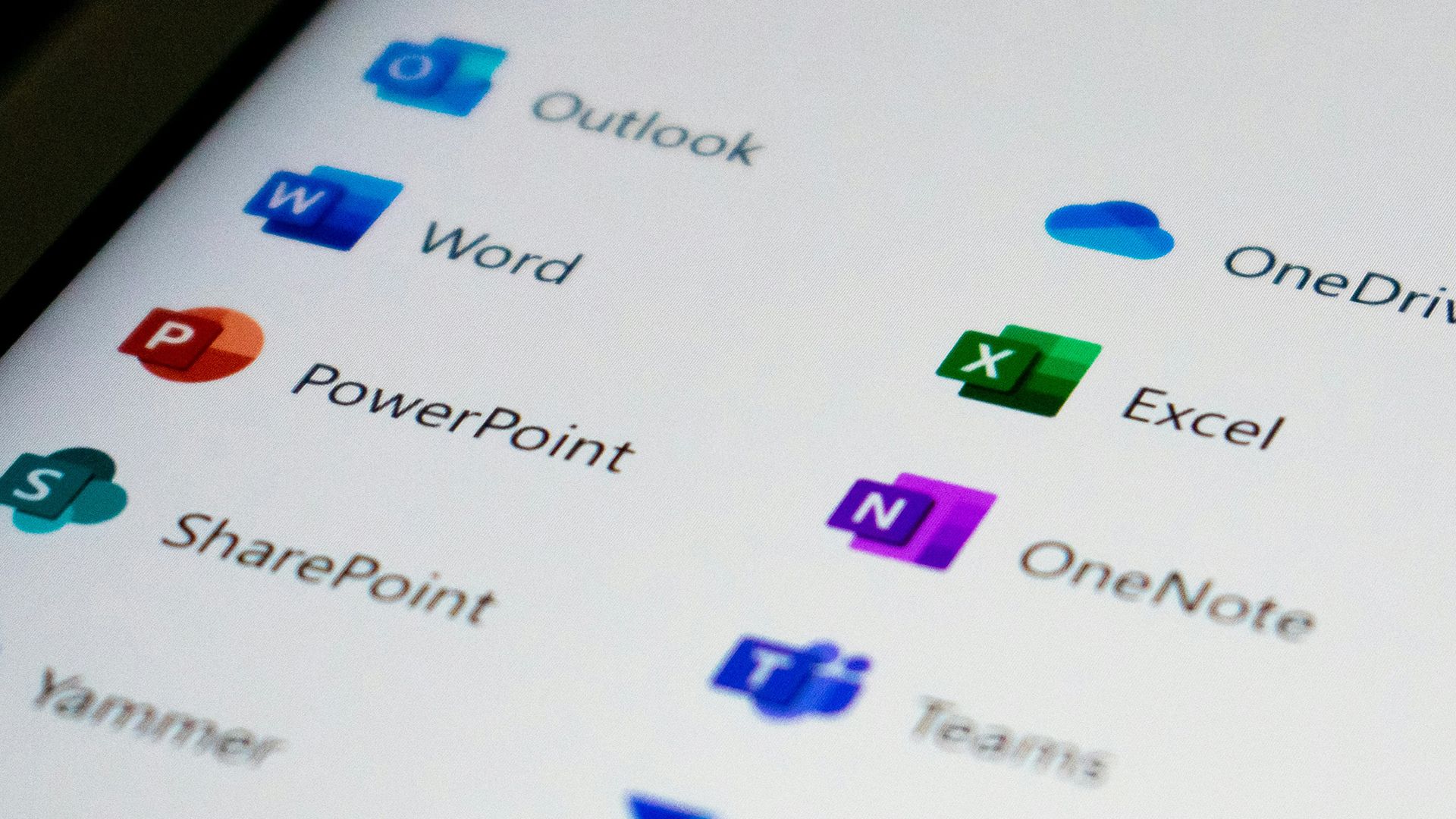
A programmer who previously used artificial‑intelligence tools to reproduce Adobe Creative Cloud applications has now removed a set of free, AI‑crafted versions of Microsoft Office programs, including Word, Excel and PowerPoint, from public distribution.
The developer, who remains anonymous, first attracted attention earlier this year by releasing functional look‑alikes of Photoshop, Illustrator and Premiere Pro that were generated largely through large‑language‑model code assistants. Those releases sparked debate over the ethics of “vibe‑coding,” a practice where AI suggests code based on the style of existing software without directly copying source files.
Building on that momentum, the same individual announced a trio of Office‑style tools that mimicked the core features of Microsoft’s flagship productivity apps. The clones were offered as free downloads and quickly gathered interest from users seeking cost‑free alternatives for document editing, spreadsheet work and slide presentations.
Within days of the Office‑suite release, the developer posted a brief statement on a personal forum, declaring that many open‑source projects in the productivity space are “broken” and that the AI‑generated clones were intended to demonstrate a more reliable approach. No specific technical details or comparative benchmarks were provided.
Shortly after the announcement, the files were taken down. The developer cited mounting legal pressure and concerns about potential infringement claims from Microsoft as the primary reasons for the removal. While no formal cease‑and‑desist notice has been made public, the swift withdrawal aligns with past actions taken by software creators when faced with intellectual‑property challenges.
Industry observers note that the episode highlights the growing tension between AI‑assisted development and established software licensing regimes. Tools like large language models can accelerate code production, but they also raise questions about originality, especially when the output closely resembles proprietary applications.
Legal experts point out that even if the code is generated autonomously, the resulting functionality may still be deemed a derivative work if it replicates the user experience and feature set of a protected product. Microsoft has not commented publicly, but its history of defending its Office suite suggests that any similar future attempts could encounter swift legal responses.
For users, the brief availability of the free clones underscores a persistent demand for affordable productivity software. Open‑source alternatives such as LibreOffice and OnlyOffice continue to evolve, though the developer’s criticism that they are “broken” reflects a broader perception that these projects lack the polish of commercial offerings.
The incident may prompt both developers and policymakers to reconsider how AI‑generated code is regulated, especially when it blurs the line between inspiration and imitation. As AI tools become more accessible, the software ecosystem could see a rise in rapid‑prototype applications, but the balance between innovation and intellectual‑property rights will likely shape the next wave of such projects.


Comments (0)
Be the first to comment.
Join the discussion