AI‑Enabled Smart Glasses Face Growing List of Public Bans Over Privacy and Safety Concerns
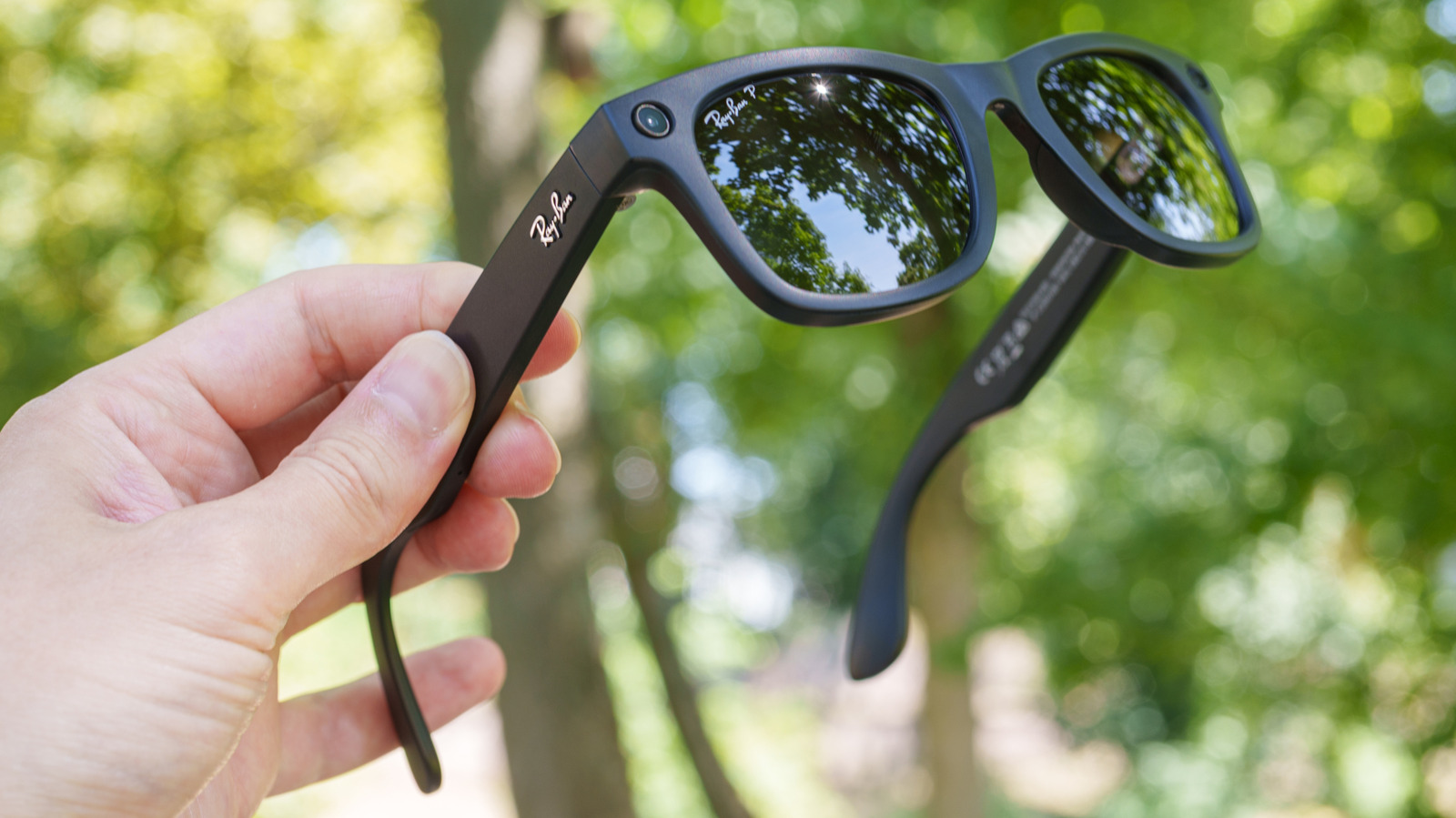
Municipalities, school districts and cultural venues across the United States are increasingly prohibiting the use of AI‑powered smart glasses in public spaces, citing worries that the devices could capture video or audio without consent and enable real‑time data extraction that threatens privacy and security.
The trend began with courtrooms, where judges and attorneys argued that discreet, wearable cameras could undermine the integrity of proceedings and expose confidential testimony. Since then, school boards have followed suit, arguing that the technology could facilitate cheating on exams or enable unwanted surveillance among students.
Theaters and other entertainment venues have also joined the ban list, warning that AI glasses could record performances in high definition and share them instantly, cutting into creators' intellectual‑property rights and diminishing the audience experience. Facility operators report that the devices’ ability to overlay subtitles, translate dialogue or identify actors in real time raises new copyright questions that existing policies do not address.
Advocates for the bans point to a broader pattern of concern surrounding wearable AI. The devices combine augmented‑reality displays with on‑device processing that can recognize faces, read license plates and transcribe conversations, all while appearing as ordinary eyeglasses. Privacy groups argue that such capabilities make it difficult for bystanders to know when they are being recorded, a situation that runs counter to established expectations of consent in public settings.
Industry representatives acknowledge the regulatory pressure but argue that outright prohibitions could stifle innovation. Several manufacturers are exploring optional hardware switches or software prompts that signal when recording is active, hoping to satisfy privacy requirements without removing the technology from the market. Legal experts predict that future court rulings may set clearer boundaries, potentially requiring explicit signage or consent mechanisms before AI glasses can be used in sensitive venues. For now, the expanding roster of bans signals a cautious approach as legislators and private operators grapple with the balance between technological advancement and the public’s right to privacy.



Comments (0)
Be the first to comment.
Join the discussion