AI Coding Assistants Leak Confidential Screenshots in 'PixelLeak' Phenomenon
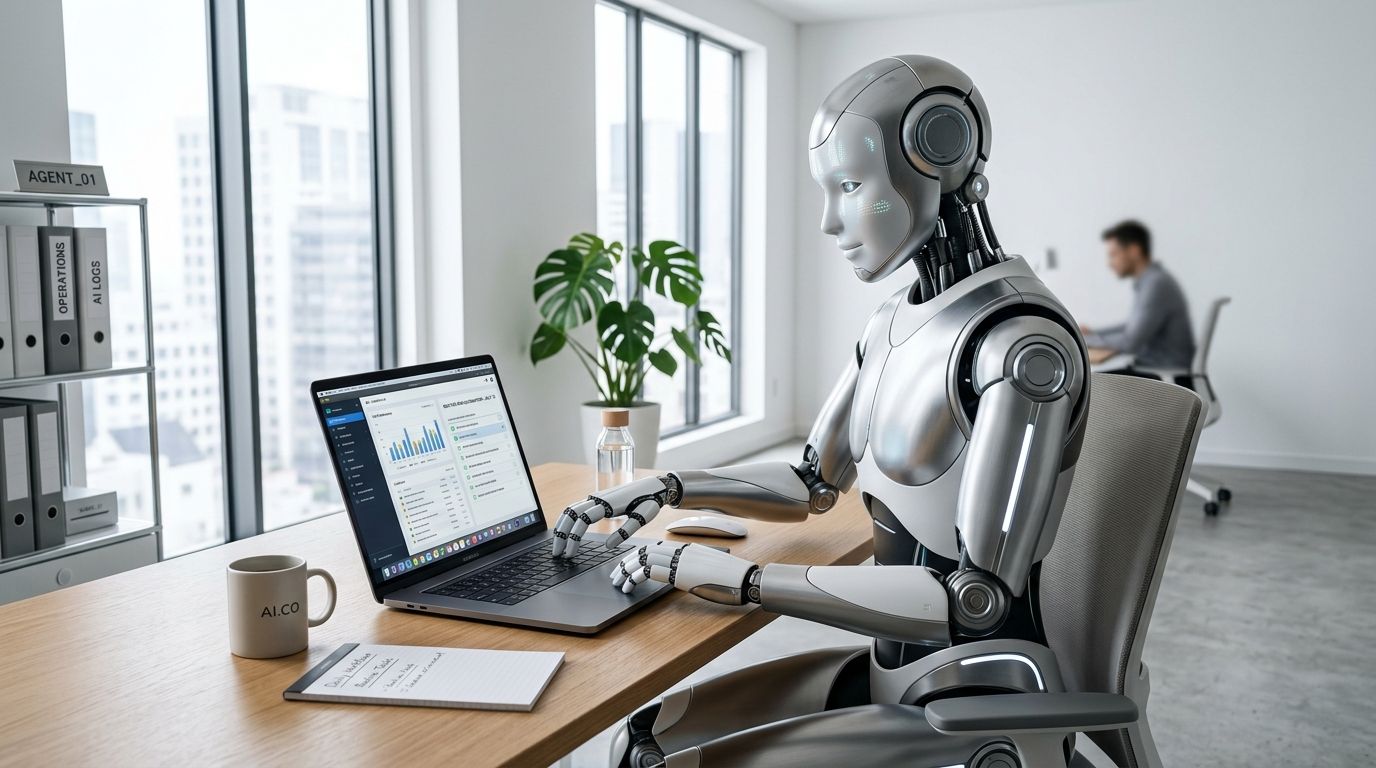
Security researchers have uncovered a new exposure vector in which autonomous coding assistants inadvertently publish sensitive screenshots, a pattern now being referred to as "PixelLeak." The leakage occurs when AI-driven development tools attempt to generate visual documentation of software modifications and capture on‑screen content that includes proprietary information.
These AI agents are designed to streamline code reviews by creating image‑based summaries of changes. In doing so, they sometimes record the entire desktop view, pulling in data such as internal dashboards, configuration files, or even unreleased UI mockups. The resulting images are then uploaded to publicly reachable locations without appropriate sanitization.
In the latest investigation, analysts identified thousands of such images scattered across the internet, originating from hundreds of distinct organizations. The images were accessible without authentication, meaning anyone could view potentially confidential material simply by following a URL. The breadth of the findings suggests the issue is not isolated to a single vendor or platform.
The exposure raises acute concerns about the security of "Shadow AI"—autonomous tools that operate with minimal human oversight. When these agents handle sensitive environments, the risk of unintentionally broadcasting trade secrets, internal metrics, or even credential snippets becomes a tangible threat. Companies relying on AI‑enhanced development pipelines now face the prospect that their own productivity tools could become inadvertent data leak sources.
Adoption of AI coding assistants has accelerated in recent years, with major providers embedding such capabilities directly into integrated development environments. While the convenience of automated suggestions and visual change logs is undeniable, the PixelLeak episodes underscore the need for stronger governance. Experts recommend implementing strict output filtering, sandboxed execution environments, and routine audits of AI‑generated artifacts.
Moving forward, both software vendors and enterprise users are expected to tighten controls around AI‑generated content. Industry groups are calling for clearer standards on how autonomous developer tools handle visual data, and regulators may scrutinize the practice as part of broader AI accountability frameworks. Until robust safeguards are in place, organizations are advised to treat AI‑produced screenshots as potentially sensitive and to monitor public repositories for inadvertent disclosures.


Comments (0)
Be the first to comment.
Join the discussion