AI and a $3 Arduino Help Owner Pass Emissions Test on 1994 Jeep Cherokee
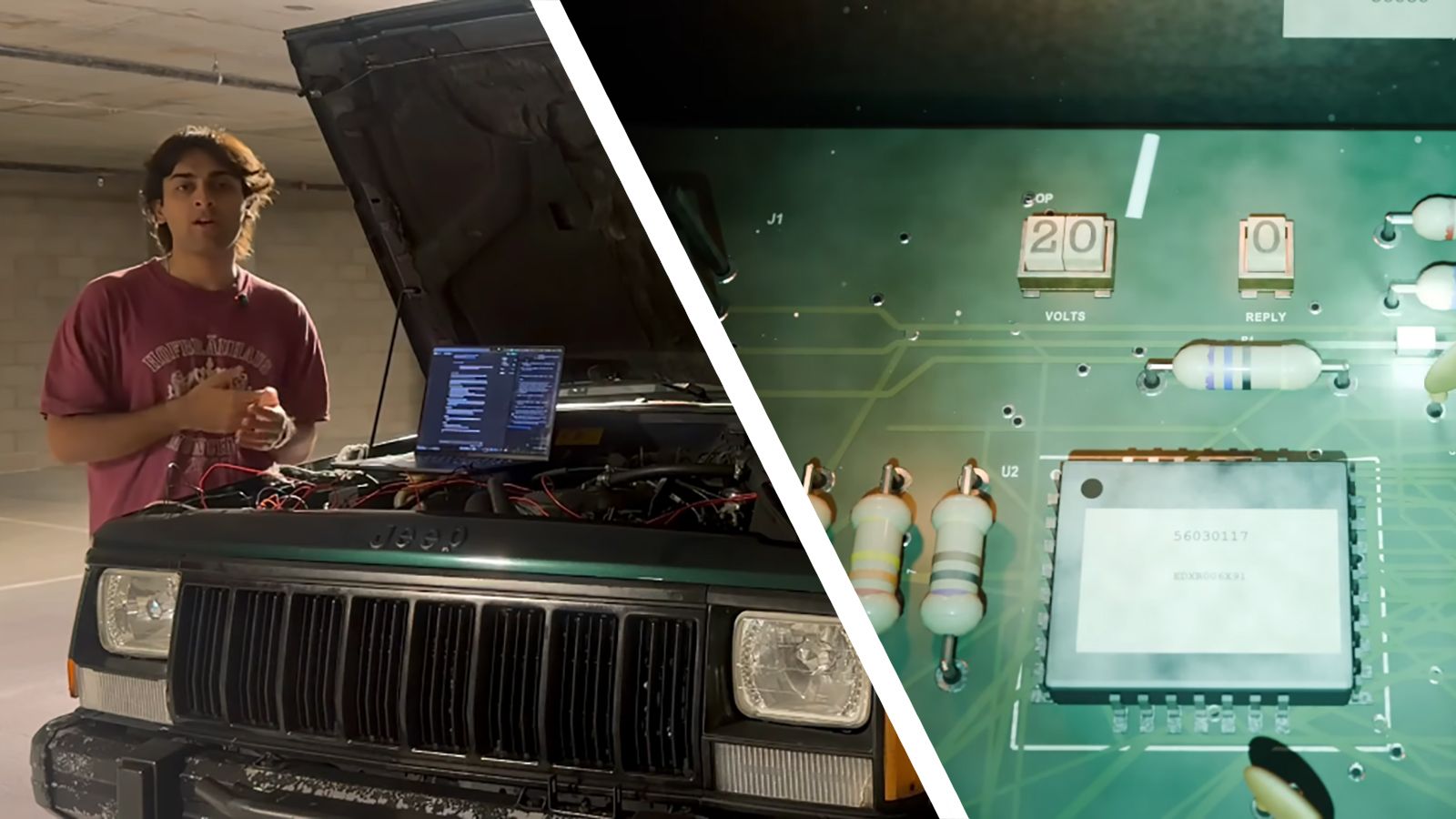
An independent developer has managed to get a 32-year-old Jeep Cherokee to clear California's stringent emissions inspection by pairing an inexpensive Arduino microcontroller with the Claude AI model, effectively rewriting the vehicle's on-board computer.
The Jeep, a 1994 model that had repeatedly failed the state's smog test, presented a common dilemma for owners of aging cars: outdated engine control units (ECUs) that lack the flexibility to meet modern emissions standards. Rather than replace the entire system, the developer turned to a low‑cost Arduino board, priced at roughly three dollars, and used Claude to decode the proprietary ECU code.
By feeding diagnostic data into Claude, the AI generated a mapping of the vehicle's sensor inputs and actuator outputs. The developer then programmed the Arduino to act as an intermediary, injecting modified signals that corrected fuel mixture and timing parameters. This reprogramming allowed the Cherokee to meet the required hydrocarbon and carbon monoxide limits during the test.
While the approach is technically a form of reverse engineering, the developer emphasized that the modifications were confined to emissions‑related parameters and did not alter performance characteristics such as power output or safety systems. The solution demonstrates how consumer‑grade hardware, combined with advanced language models, can extend the usable life of legacy vehicles in an era of tightening environmental regulations.
California's emissions program, one of the toughest in the United States, often forces owners of older cars to either invest in costly aftermarket emissions kits or retire the vehicles altogether. The success of this DIY method could inspire similar efforts, especially among hobbyists and small‑scale mechanics seeking affordable compliance routes.
Experts caution, however, that tampering with vehicle software may have legal implications depending on jurisdiction, and that any modifications should be performed with a clear understanding of local regulations. Nonetheless, the case highlights a growing trend where AI tools assist in complex technical tasks that were previously the domain of specialized engineers.
Looking ahead, the developer plans to document the process in an open‑source repository, aiming to provide a template for other owners facing similar challenges. If widely adopted, such community‑driven solutions could reduce the environmental impact of premature vehicle disposal while offering a cost‑effective path to meet emission standards.



Comments (0)
Be the first to comment.
Join the discussion