Adobe Positions Firefly as Central Hub for Everyday Creative Tasks, Raising Questions About Photoshop and Premiere’s Role
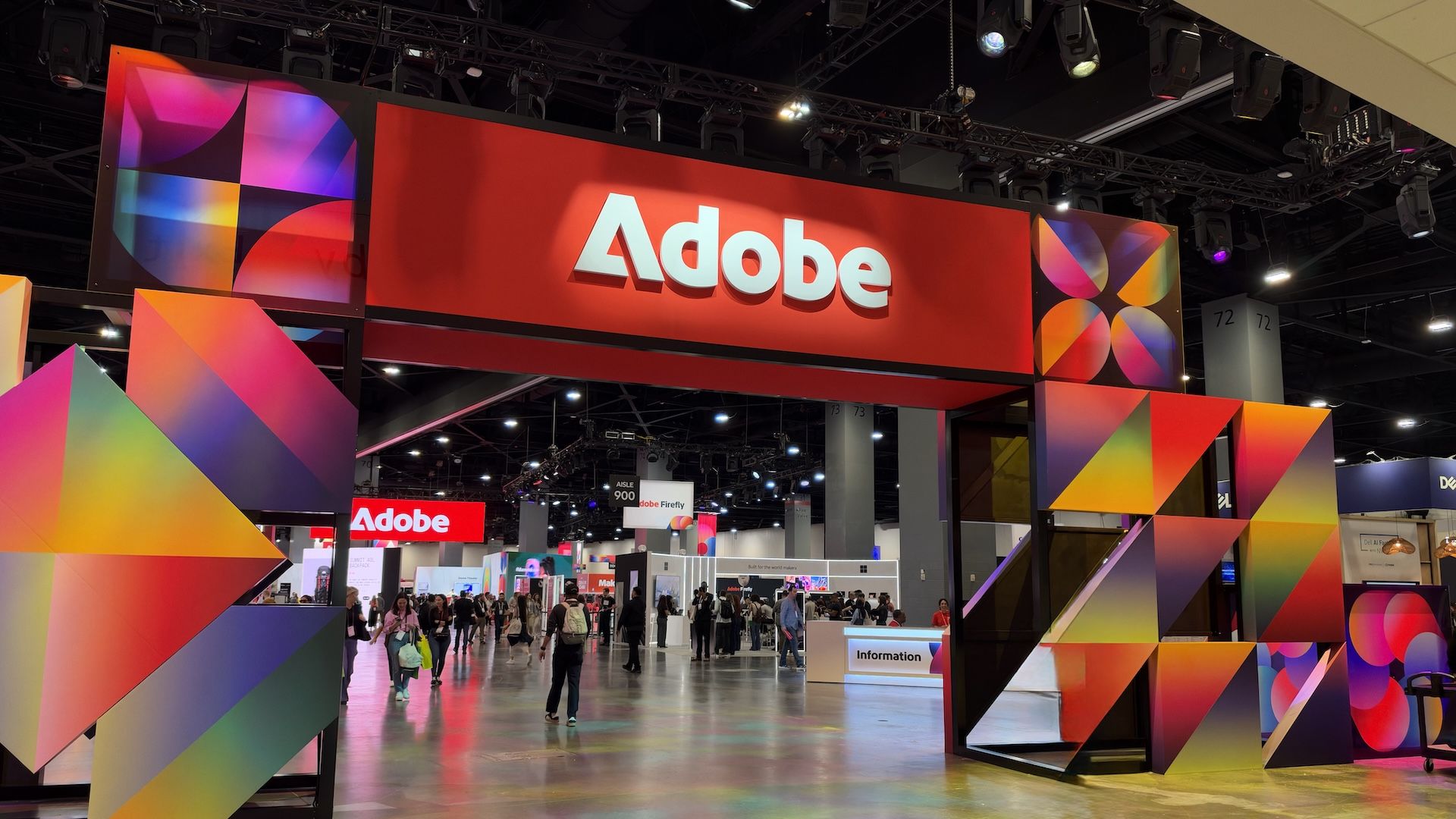
Adobe is shifting its AI‑driven Firefly platform from a niche experiment to a primary workspace for routine creative work, a move that could reshape how designers and video editors allocate time between newer tools and long‑standing applications like Photoshop and Premiere.
Firefly’s interface now mirrors the simplicity of a chatbot, allowing users to generate images, edit assets, or apply effects with conversational prompts. The platform also bundles “Quick Actions,” one‑click automations that replace multi‑step procedures traditionally handled in Photoshop or After Effects, cutting down turnaround times for repetitive tasks.
Among the newer capabilities is Firefly Builder, a prototyping environment that lets creators sketch out website layouts and basic interactions without writing code. Adobe stresses that the tool is intended for mock‑ups rather than fully launched sites, positioning it as a fast‑track for concept validation rather than a replacement for dedicated web‑development suites.
Industry observers note that the convenience of Firefly may lead some users to bypass more complex software for day‑to‑day edits. However, Adobe assures that the AI does not make unsupervised changes that could compromise artistic intent, emphasizing that final approvals still rest with the user.
While the integration of AI shortcuts promises efficiency gains, it also raises questions about the future relevance of Photoshop and Premiere for routine projects. Analysts suggest that Adobe’s strategy is less about displacing its flagship products and more about creating a tiered workflow: Firefly for quick, iterative work, and the traditional suite for deep‑dive, high‑precision production. The next months will reveal whether creators adopt this bifurcated model or continue to rely on the established tools for most of their creative output.



Comments (0)
Be the first to comment.
Join the discussion