September Nor'easter Threat Looms Over Northeast as Meteorologists Track Unseasonal Storm
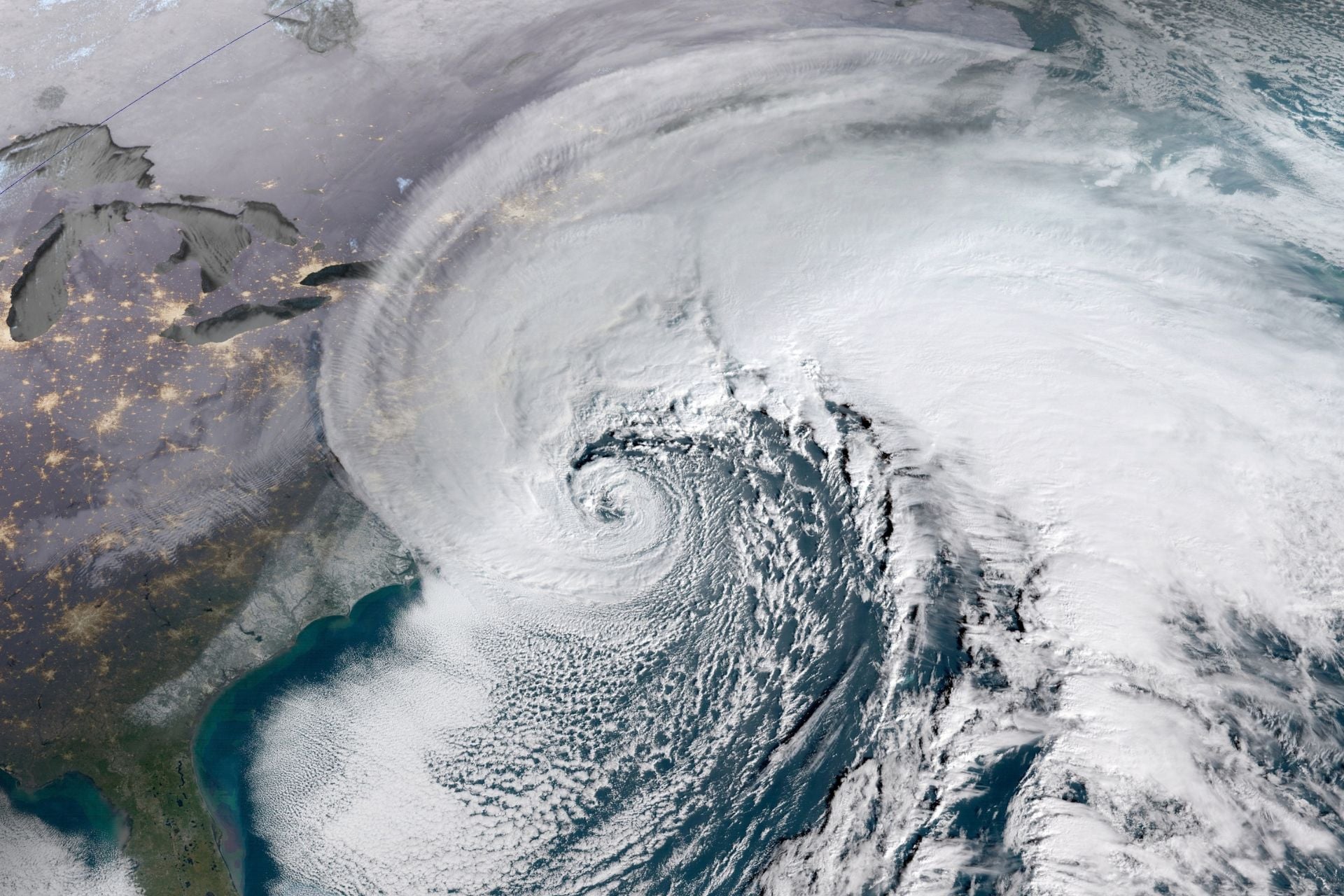
National weather services are flagging the possibility of a powerful nor'easter moving into the Atlantic seaboard later this week, an unusual development for September when such storms are typically a fall or winter phenomenon.
A nor'easter is a low‑pressure system that intensifies along the East Coast, drawing moist air from the Atlantic and generating strong northeast winds. While the region regularly experiences these storms from October through March, a September occurrence is rare enough to draw attention from forecasters and emergency managers alike.
Current model runs show the disturbance forming off the Mid‑Atlantic coast on Thursday, gradually deepening as it tracks northeastward toward New England by Friday night. The system is expected to produce sustained winds in the 35‑45 mph range, with gusts potentially exceeding 55 mph in exposed coastal pockets, and rainfall totals of 1‑2 inches across the Mid‑Atlantic, increasing to 2‑3 inches in parts of Connecticut, Rhode Island and southeastern Massachusetts.
Authorities are warning that the combination of wind and rain could pose a heightened risk of coastal flooding, especially in low‑lying areas that have already seen elevated tide levels this summer. Power utilities have pre‑positioned crews to respond to possible outages, and transportation agencies are reviewing bridge and roadway closures should wind speeds exceed safety thresholds.
Historical records show only a handful of September nor'easters in the past century, most of which were relatively weak. Climate scientists note that a warming ocean can provide more energy to storms earlier in the season, but they caution against attributing any single event directly to long‑term climate trends without further analysis.
Emergency management officials in the states most likely to be affected are urging residents to secure loose objects, monitor local alerts, and have an emergency kit ready. The National Weather Service will issue a formal advisory later today, and updates are expected as the system evolves over the next 48 hours.


Comments (0)
Be the first to comment.
Join the discussion