AI Cracks Napoleon's 217-Year-Old Cipher, Unlocking a Long‑Lost Letter
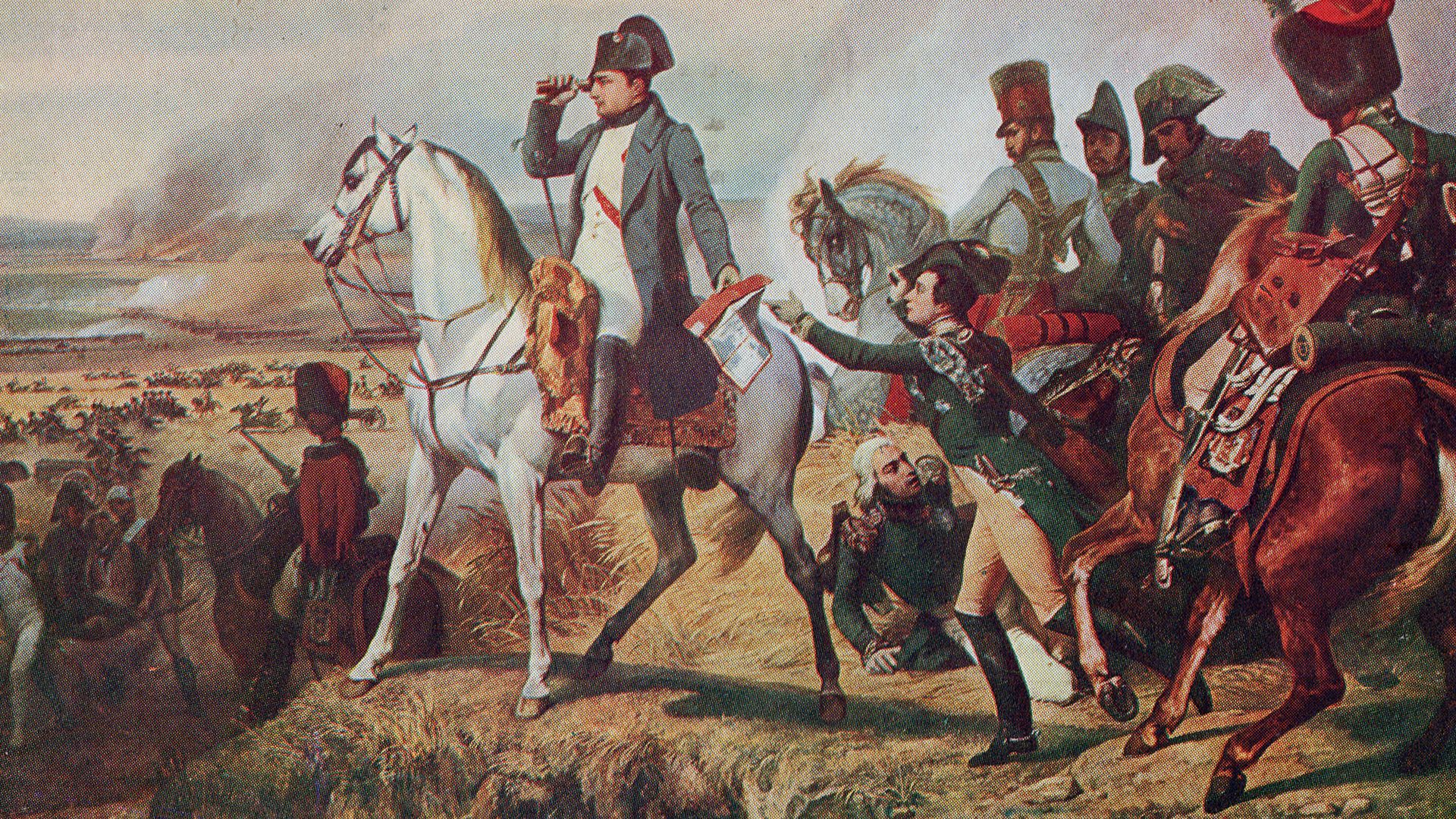
An independent engineer has announced a breakthrough that allows historians to read a secret correspondence penned by Napoleon Bonaparte more than two centuries ago. By applying advanced artificial‑intelligence techniques to a cipher that has defied scholars since the early 1800s, the team has rendered the once‑illegible text fully legible for the first time.
The encrypted message, addressed to one of Napoleon's field commanders, was part of a series of coded dispatches the French emperor used to coordinate his campaigns while concealing strategic details from enemy eyes. Traditional cryptanalysis methods, ranging from frequency analysis to manual pattern matching, repeatedly hit dead ends, leaving the letter shrouded in mystery.
Leveraging a machine‑learning model trained on known examples of Napoleonic ciphers, the engineer fed the undeciphered text into an algorithm that iteratively tested thousands of possible key combinations. The system identified a consistent substitution pattern that matched the linguistic quirks of early‑19th‑century French, ultimately producing a coherent translation of the entire document.
The newly decoded letter reveals Napoleon's instructions on troop movements and logistical concerns during a pivotal phase of his Italian campaign. While the content does not overturn established narratives of the war, it provides granular insight into the emperor's operational mindset, shedding light on how he balanced aggression with supply constraints.
Academic circles have greeted the discovery with cautious optimism. Historians note that the ability to unlock primary sources previously deemed unreadable could reshape the study of Napoleonic era politics and military strategy, provided the AI‑generated translation is corroborated through traditional scholarly review.
This episode adds to a growing list of successes where artificial intelligence has aided the decipherment of historic texts, from the automated reconstruction of fragmented papyri to the analysis of World War II Enigma traffic. The technology's strength lies in its capacity to process vast pattern spaces far beyond human capability, offering a new toolkit for archivists and researchers.
Looking ahead, the engineer plans to apply the same methodology to other unresolved ciphers in European archives, collaborating with museums and universities to verify results. Experts stress the importance of cross‑checking AI outputs against known linguistic and historical contexts to guard against misinterpretation.
If the approach proves reliable, the fusion of AI and historical scholarship could accelerate the recovery of lost voices from the past, turning what some have called a modern “Rosetta Stone” into a routine instrument for uncovering hidden chapters of human history.


Comments (0)
Be the first to comment.
Join the discussion