Google Maps delivers distinct experiences on Android Auto and Apple CarPlay
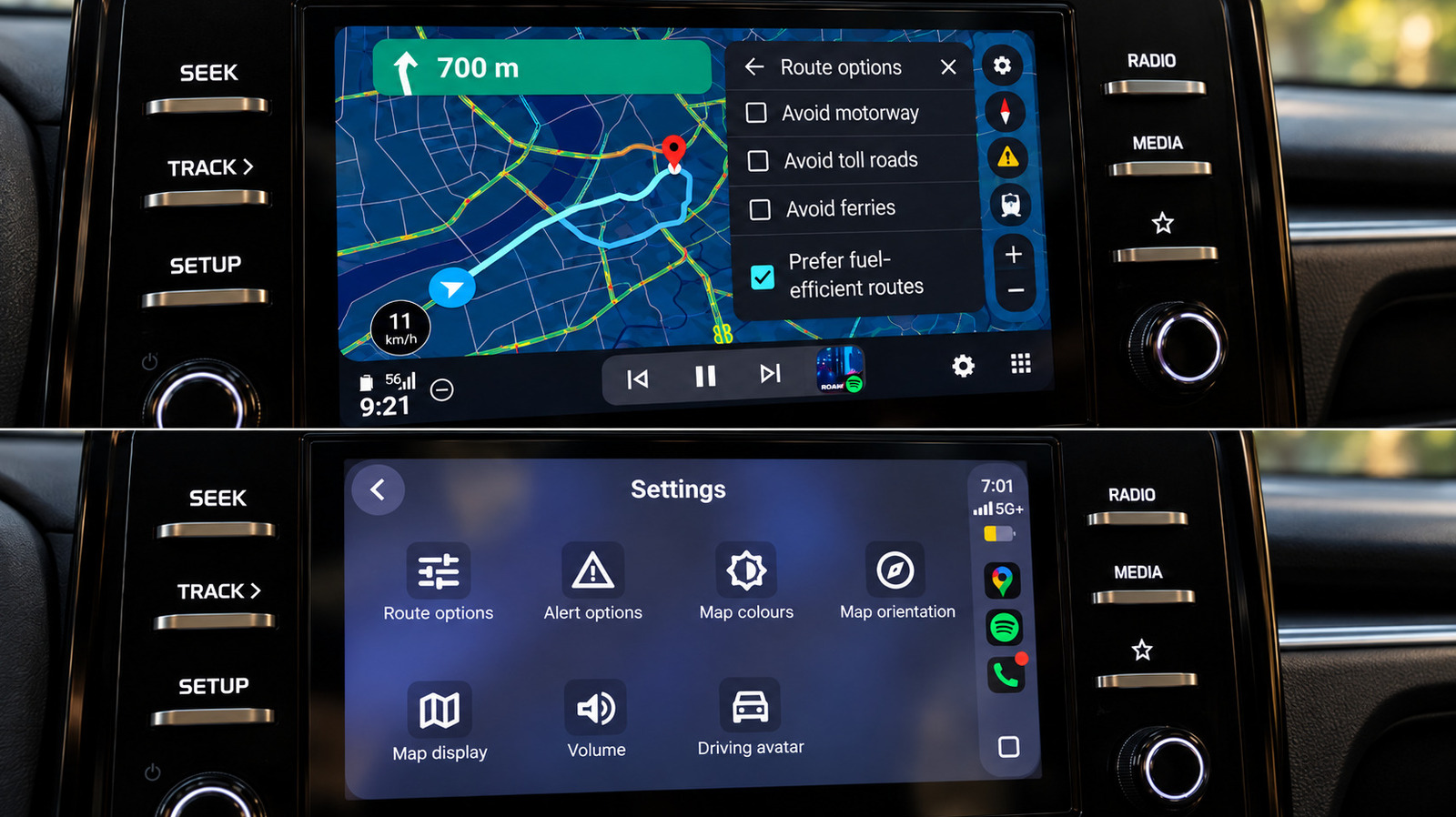
Google Maps, the ubiquitous navigation app, does not offer a uniform set of capabilities across the two major smartphone‑to‑car platforms. While both Android Auto and Apple CarPlay let drivers view routes, receive turn‑by‑turn prompts and explore nearby points of interest, several features run more smoothly—or are exclusive—to the Android Auto environment.
One of the most noticeable differences is the ability to view multiple destinations on a single screen. Android Auto users can add a secondary stop and see both legs of the journey simultaneously, whereas CarPlay limits the display to a single endpoint, requiring drivers to re‑enter the next waypoint after reaching the first.
Another advantage for Android Auto is the seamless integration of real‑time traffic overlays. The platform supports a richer set of visual cues, such as colored lane markings and dynamic congestion shading, which update more frequently than the static icons shown on CarPlay. This results in quicker rerouting decisions when traffic conditions change.
Google Maps on Android Auto also offers a dedicated “Explore” pane that lets drivers browse restaurants, gas stations and attractions without leaving the navigation view. CarPlay’s version of the feature is more fragmented, opening a separate app window that can be harder to dismiss while driving. Additionally, Android Auto supports voice‑only search for nearby places, allowing users to ask for “coffee shops nearby” and receive a list spoken back without any visual interruption—a capability that is either limited or absent on CarPlay.
Finally, the two platforms differ in how they handle map style preferences. Android Auto users can toggle between standard, satellite and terrain views directly from the on‑screen menu, while CarPlay restricts the choice to the default map style. These discrepancies matter for drivers who rely on specific visual information, such as cyclists who prefer terrain data or long‑haul truckers who need satellite imagery for remote routes. As both ecosystems evolve, Google has indicated that feature parity is a goal, but for now Android Auto users enjoy a more feature‑rich Google Maps experience. The differences highlighted here were first reported by Engadget, underscoring the importance of platform selection for daily commuters and road‑trippers alike.



Comments (0)
Be the first to comment.
Join the discussion