Unlocking More Miles: Simple Strategies for Maximizing EV Range
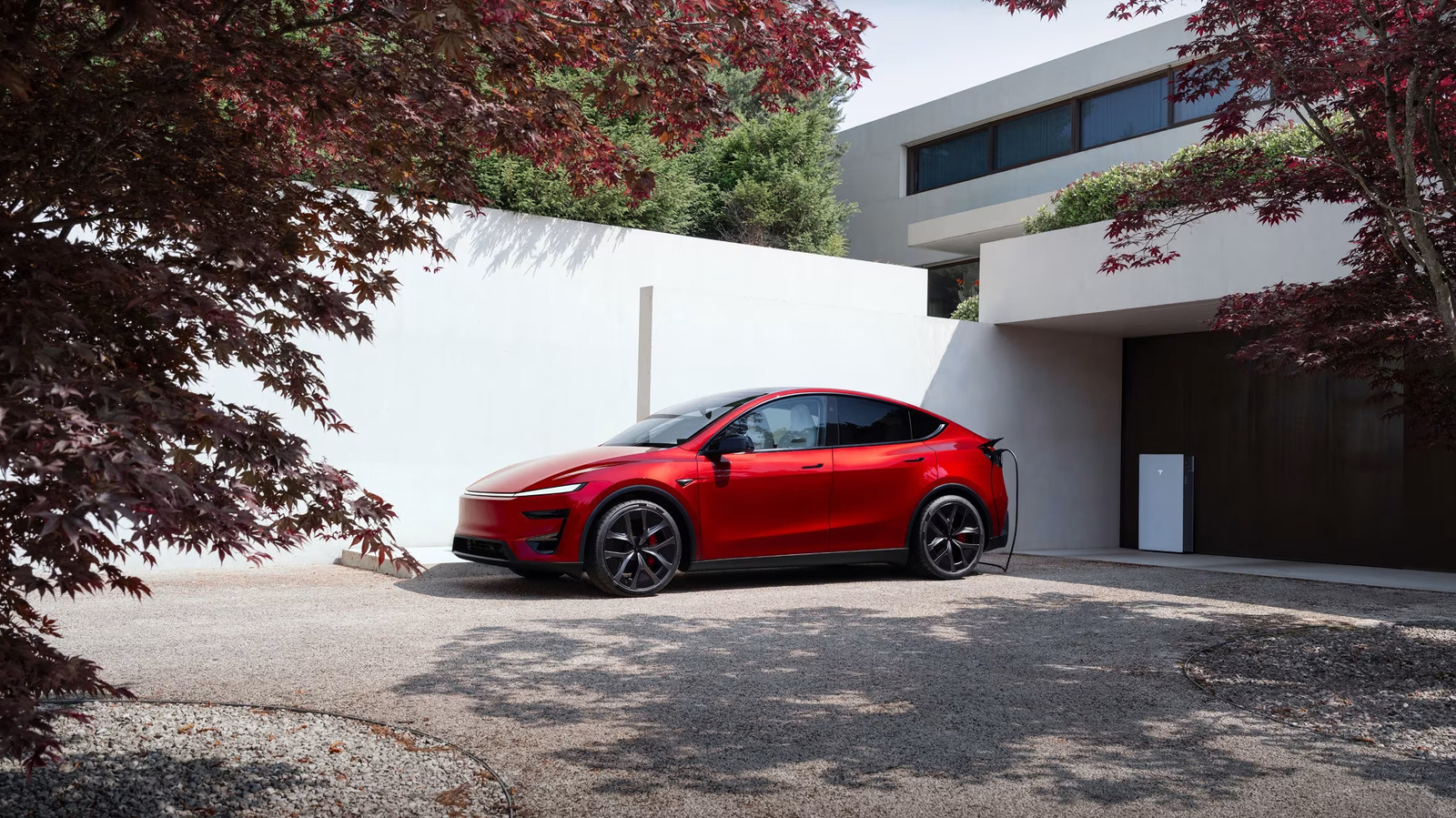
Electric vehicle owners seeking to extend their driving distance between charges may find practical solutions in recent reporting, with one independent publication highlighting five straightforward methods to enhance an EV's range. These accessible tips aim to help drivers spend more time on the road and less time tethered to a charging station.
As the adoption of electric vehicles continues to grow globally, optimizing battery life and maximizing the usable range remains a key consideration for many drivers. The phenomenon often referred to as 'range anxiety'—the concern about depleting power before reaching a suitable charging point—is a significant factor for both prospective buyers and current EV owners. While battery technology is consistently advancing, simple adjustments to driving habits and routine vehicle management can play a crucial role in improving overall efficiency.
A recent article, originally reported by Engadget, points to the existence of five distinct, easy-to-implement strategies specifically designed to assist drivers in achieving greater distances. These are characterized not as complex technical modifications requiring professional intervention, but rather as 'little tricks' that can yield noticeable improvements in an EV's operational range.
While the specific details of each method were not fully outlined in the summary, such advice typically revolves around optimizing energy consumption through conscious driving techniques and diligent vehicle maintenance. Common areas for efficiency gains frequently include modifying acceleration and braking patterns, as these directly influence the immediate energy demands on the battery.
Furthermore, managing ancillary systems within the vehicle, such as the climate control, can significantly draw power from the battery. Recommendations often suggest using these systems judiciously to conserve energy. Another frequently cited area for improving EV range involves ensuring the vehicle itself is in optimal condition, particularly concerning elements like tire pressure, which can impact rolling resistance and overall energy consumption.
Strategic route planning and an awareness of varying terrains can also contribute to more efficient travel, helping drivers avoid scenarios that demand excessive power. Lastly, insights into smart charging practices are often included, ensuring the battery is maintained in a way that supports its overall health and performance over an extended period.
The emphasis from the original reporting suggests that these are not radical overhauls of an EV's system but rather minor modifications to daily routines and vehicle care. By implementing these 'easy ways,' drivers can potentially unlock additional miles from their electric vehicles, making longer journeys more feasible and reducing the frequency of necessary charging stops.
For an independent publication dedicated to providing actionable information, highlighting such accessible range-extending techniques is particularly valuable. It empowers EV owners with practical steps to enhance their driving experience, potentially alleviating concerns about battery longevity and the availability of charging infrastructure. This not only benefits individual drivers but also supports the broader global shift towards sustainable transportation by making electric vehicles a more convenient and reliable option.
As the electric vehicle market continues its rapid expansion and evolution, the focus on practical advice for maximizing existing technology remains highly pertinent. These straightforward methods underscore that, beyond significant technological breakthroughs, driver behavior and simple maintenance practices play a substantial role in the real-world performance of electric vehicles, ultimately helping owners get the most out of their investment.



Comments (0)
Be the first to comment.
Join the discussion